Exporters reduce work days amid rising costs
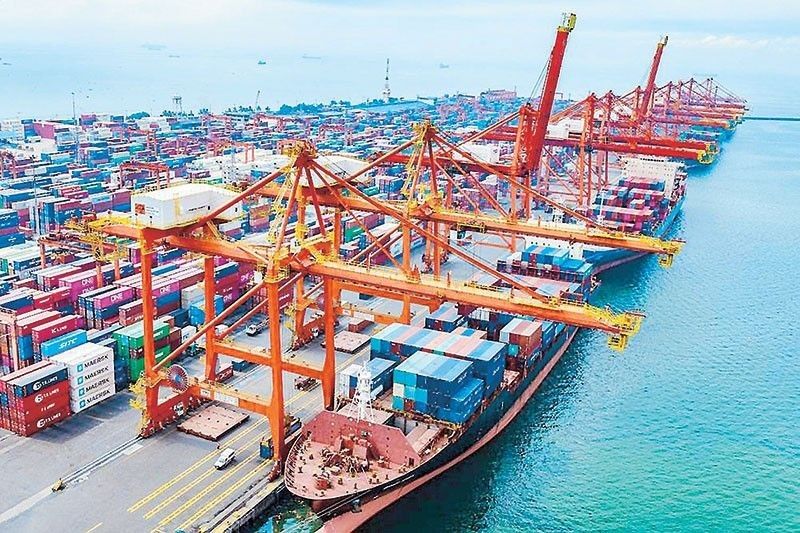
MANILA, Philippines — Exporters are scaling back operations due to declining orders and rising costs amid the Middle East conflict, according to a survey of the Philippine Exporters Confederation Inc.
Philexport also warned of possible closures if the crisis persists without government support.
During the group’s general membership meeting, Philexport president Sergio Ortiz-Luis Jr. said that a survey showed its members in the garment, food, handicrafts and furniture sectors catering mainly to the United States are feeling the pressure from rising costs due to the ongoing crisis.
“These respondents reported that their orders have decreased slightly to significantly, with buyers requesting to postpone shipment,” he said.
As a result, exporters are reducing production and workdays from six days to as short as three days and even postponing investment.
He said exporters are also adjusting prices, but are unable to pass on to buyers the additional costs ranging from 10 to 30 percent.
The bulk of the increases are coming from shipping and logistics, fuel and raw material costs.
Amid these challenges, he said exporters are requesting for government support in terms of fuel subsidies, tax relief, export incentives and streamlined processes.
“Otherwise, they project that they can only sustain current operations for three to six months or that they may eventually close, if there will be no government support and alternative oil suppliers in Asia,” he said.
To reduce costs, he said exporters are looking at increasing local sourcing and diversifying markets.
Apart from high fuel prices, he said exporters also face other challenges such as regulatory burdens; supply chain and input costs; lack of access to finance, technology and compliance with international standards and protectionist measures imposed by trade partners.
As such, Philexport continues to push for the repeal or review of measures that increase the cost of doing business without value addition.
He said Philexport also continues to work with the government to improve trade facilitation, streamline processes and ensure reforms are consultative and inclusive.
“What is required now is unity of purpose, clarity of direction and sustained collaboration between the private sector and government. Let us continue to work together to ensure that Philippine exports not only recover, but thrive in the face of this crisis and uncertainty,” he said.
As of end-February, Philippine exports rose by 8.3 percent to $14.47 billion from $13.36 billion in the same period last year.





- Latest
- Trending