DOH: Flu-like illnesses drop, but precautions 'sound' amid seasonal rise
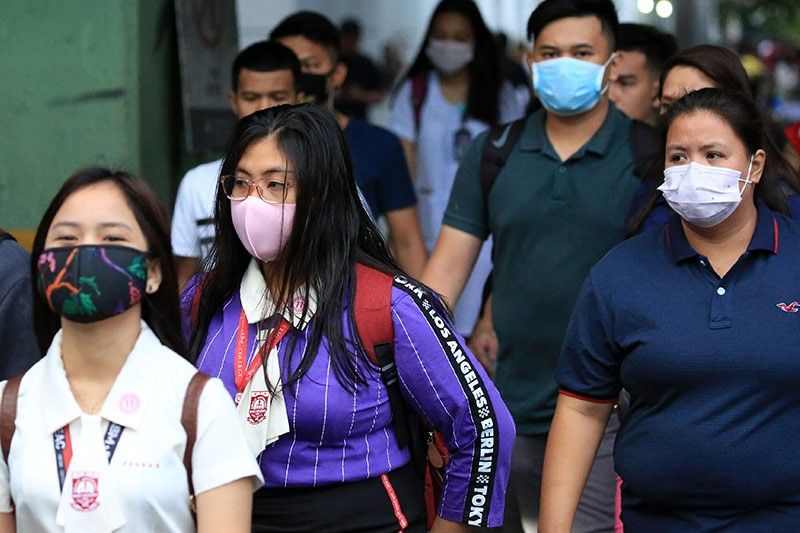
MANILA, Philippines — There are fewer recorded influenza-like illnesses this year compared to 2024, but the Department of Health said on Monday, October 13, that preventive measures by government agencies and local health authorities remain a “sound precaution” as flu season begins.
Department of Health spokesperson Albert Domingo said the country recorded 121,716 flu-like cases from January to September 27. This is around 8% lower than the 132,538 cases logged in the same period last year.
“At the national level, the number of influenza-like illnesses is lower than last year thus far. It is sound precaution for local and institutional health authorities to practice preventive measures to keep the numbers down,” Domingo told reporters on Monday.
The statement came after the Department of Education – National Capital Region (DepEd NCR) suspended face-to-face classes in all public schools in Metro Manila on October 13 and 14 to allow for disinfection and building inspections. DepEd cited both the “increasing incidence of influenza-like illnesses” and recent earthquakes in its advisory on Sunday.
Seasonal flu uptick. Domingo said the recent uptick in flu-like symptoms reported in schools and offices coincides with the usual rise in flu-like cases during this time of the year.
“Mas mababa ng 8%, ngunit alam natin na kapag ganitong panahon nagsisimulang tumaas ‘yan,” he said.
(It is lower by 8%, but we know that the cases start to go up around this time.)
Tracking cases. Influenza-like illnesses, or ILIs, is a clinical term health authorities use for a group of symptoms that resemble the flu — usually fever, cough, and sore throat — but aren’t always confirmed as influenza through laboratory testing.
According to the World Health Organization, these cause a fever of ≥ 38°C and a cough, starting within the last 10 days. These illnesses spread primarily through respiratory droplets produced when an infected person coughs or sneezes.
The DOH continues to track ILI cases through its sentinel surveillance system, Domingo said. This system gathers reports of cases from hospitals, community health centers and school clinics.
“We do sentinel surveillance both from hospitals and other disease reporting units such as community health centers or even school clinics,” Domingo said.
The DOH has not declared a widespread outbreak of ILIs.
DepEd NCR, in its advisory, said the temporary suspension would allow schools to conduct disinfection, sanitation, and building inspections to “ensure the continuity of learning while prioritizing health, safety, and structural security.”





- Latest
- Trending