US seeking Apollo Quiboloy's extradition — PH ambassador
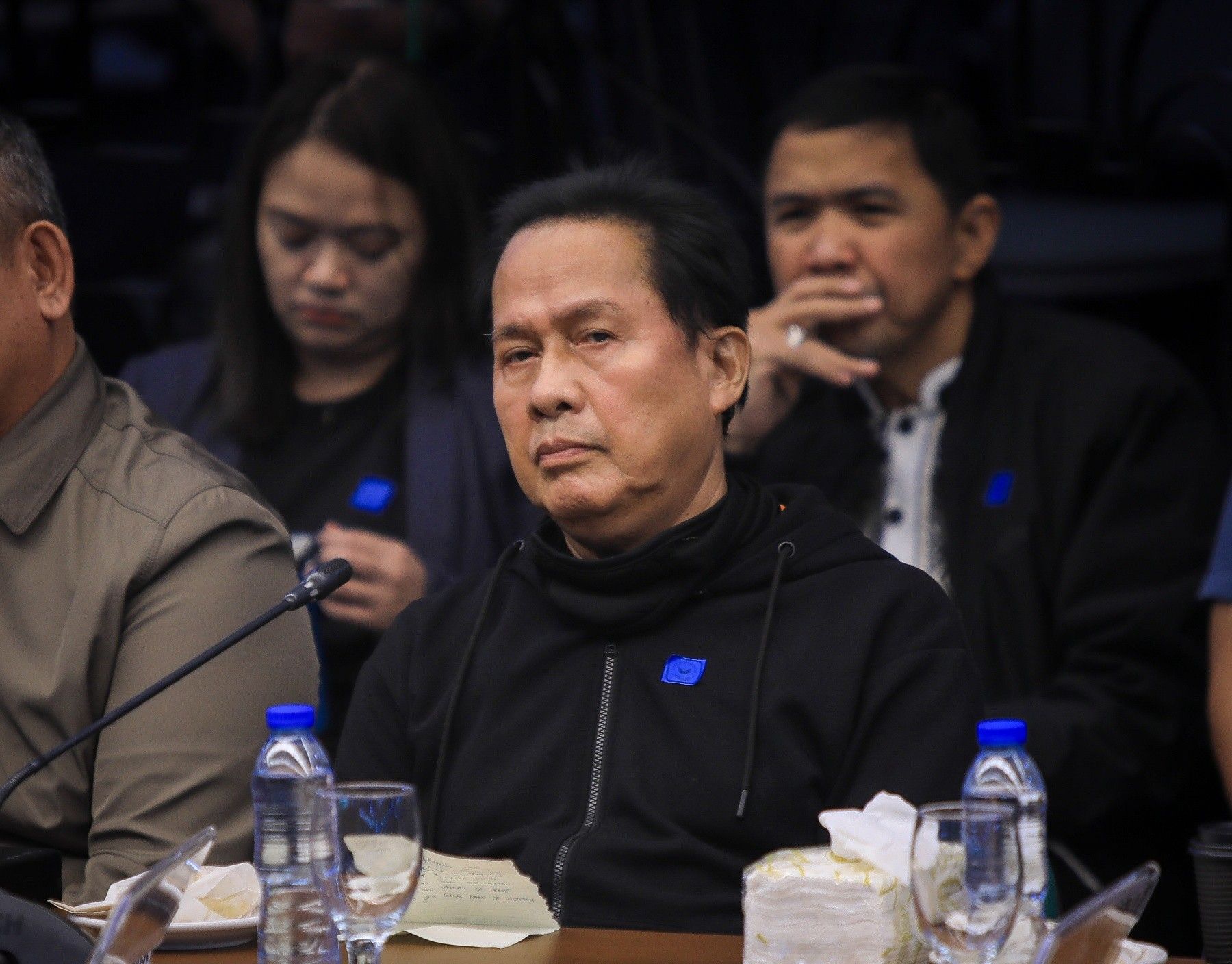
MANILA, Philippines — The United States has asked the Philippines to extradite detained religious leader Apollo Quiboloy, Philippine Ambassador to the US Jose Manuel Romualdez confirmed Wednesday, August 20.
Romualdez told Philstar.com in a message that Washington had already sent the necessary extradition documents to the Department of Justice (DOJ) in June.
The DOJ has not directly confirmed the extradition request. When asked for comment, Justice Secretary Jesus Crispin Remulla briefly told reporters he would "know later."
But DOJ spokesperson Mico Clavano told reporters any request to extradite a Filipino national will be subject to Philippine law and judicial processes.
“In general, a person cannot be extradited from the Philippines while a criminal case against him is still pending in our courts, since local jurisdiction takes priority,” Clavano said.
“The rule is that he must first face trial and, if convicted, serve his sentence here before extradition may proceed. However, courts retain the power to act on cases with urgency, so if circumstances warrant, we may move to resolve proceedings in order not to unduly delay a valid extradition request," the DOJ spokesperson added.
Quiboloy, founder of the Davao-based Kingdom of Jesus Christ (KOJC) sect, is facing multiple indictments in the US, including sex trafficking, conspiracy and immigration fraud.
US prosecutors allege that he and his aides groomed and coerced female followers — some of them minors — into sexual acts, while also using church networks to illegally bring victims into the US.
In the Philippines, the KOJC founder is also facing a string of criminal cases. He was arrested in Davao City in September 2024 and later transferred to the Pasig City Jail in November.
Quiboloy remains in detention while undergoing trial for qualified human trafficking, with related child and sexual abuse cases also pending before courts in Pasig and Quezon City.
How extradition works
Extradition refers to the process by which one country surrenders an individual to another so that the person can be tried or punished for crimes committed in the requesting state.
The Philippines has a standing treaty on extradition with the US. Under Presidential Decree 1069, which outlines the country’s extradition policy, a foreign government that wants a Filipino national returned must first channel its request through the Department of Foreign Affairs (DFA).
Once received, the DFA forwards the request to the DOJ. The justice secretary then assigns a lawyer to pursue the case, who in turn files a petition before a trial court. That court holds sole authority to determine whether the request should be granted.
The DFA has yet to respond to requests for comment.



- Latest
- Trending