Budget season: How the process works and why it’s high-stakes

MANILA, Philippines — President Ferdinand Marcos Jr. received the National Expenditure Program (NEP) on Tuesday, August 12, with the Department of Budget and Management (DBM) set to transmit the proposed spending plan to Congress the following day.
The handover marks the start of budget season — a period often defined by hours of debate, contentious hearings and controversy.
How the budget process works
The DBM drafts the budget plan to reflect each agency’s needs while supporting the country’s social and economic goals. The Development Budget Coordinating Committee (DBCC) — made up of the DBM, Department of Finance, Department of Economy, Planning and Development (DEPDev), and the Bangko Sentral ng Pilipinas — sets the economic targets, expenditure ceilings and revenue projections.
In the first half of the year, agencies prepare their proposals and submit them to the DBM for review.
The DBCC then approves, consolidates and packages these into the NEP for the president and Cabinet. Once approved, the president submits the proposal to Congress.
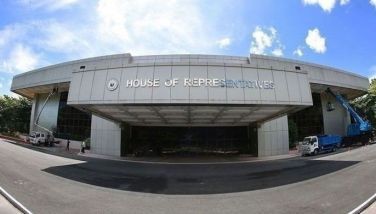
The House appropriations committee reviews the NEP first, with the Senate finance committee conducting a parallel examination. Lawmakers scrutinize each agency’s proposal, often basing their questions on the agency’s performance in the prior year.
This stage is where controversies are typically dredged up. Look no further than the House's move to slash Vice President Sara Duterte’s budget over alleged anomalies involving her confidential funds. The DEPDev, meanwhile, drew criticism for setting the poverty threshold at P64 per day.
After both chambers pass their own budget versions, a bicameral conference committee (bicam) reconciles differences in closed-door meetings. The bicam report usually becomes the General Appropriations Bill (GAB), which is then sent to the president for signature or veto.
Why the 2026 budget is high-stakes
This year’s deliberations follow the most contentious budget under Marcos. The 2025 budget process drew fire for insertions and subsidy removals during bicam sessions — changes now under Supreme Court review.
The president has showed displeasure at these changes, even signaling that he might sit in during the bicam himself. He has warned that if the final GAB strays from the NEP, he could return it to Congress, even if that means operating under a reenacted budget identical to the previous year’s.
A reenacted budget closes the door on new government projects, as they do not have allocations. It also prevents the creation of new government positions. For example, teacher shortages could not be addressed if there are no new budget items for additional hires.
Push for more transparency
Most of the budgetary process is public. The NEP is available on the DBM’s website, and congressional deliberations are livestreamed and available to the news media.
But the bicam has been pinned as the most opaque part of the process as it remains closed to the public. Moves are being made in both chambers to open the sessions up.









- Latest
- Trending