


House: Impeachment process followed Constitution, jurisprudence
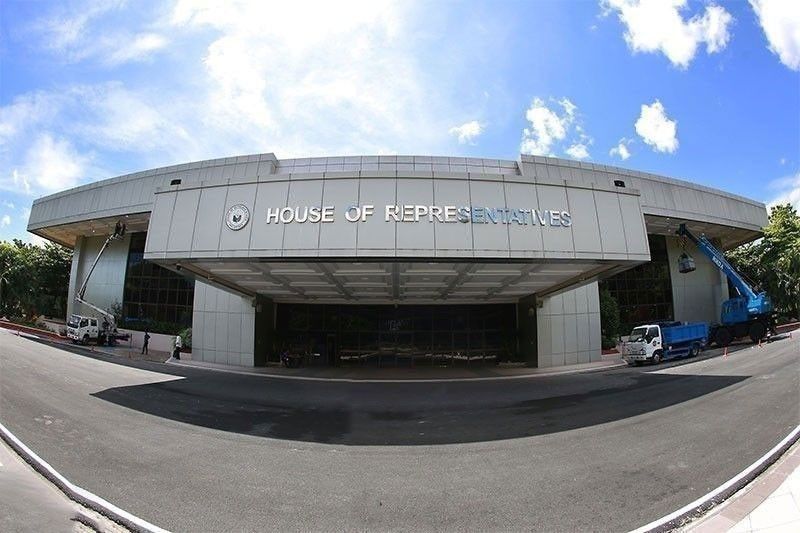
MANILA, Philippines — The House of Representatives dismissed allegations that it acted in bad faith in handling the impeachment complaints against Vice President Sara Duterte, insisting that all actions taken were in full accordance with the Constitution, the House’s internal rules and existing jurisprudence.
“The House of Representatives maintained its position, all actions it has taken pertaining to the Articles of Impeachment against VP Sara Duterte is based on the provisions of the Constitution, House internal rules and prevailing jurisprudence. There was no bad faith when you follow the provisions,” House spokesperson Princess Abante and House prosecution panel spokesman Antonio Audie Bucoy said in a joint statement.
Abante further noted that even the recent Supreme Court ruling on the case of Vice President Duterte acknowledged the House’s adherence to constitutional timelines.
“Even the Supreme Court decision in the Duterte case, it is said that the timeline required by the Constitution was followed,” Abante said.
Abante said the only difference with the SC’s ruling in the Duterte case was its incorrect appreciation of the facts based on actual House records.
“This has to be corrected, this has to be explained and hopefully the Supreme Court will have the chance to see in the House of Representatives’ motion for reconsideration that all the actions taken by the House are correct and under the Constitution,” Abante said.
Bucoy gave a detailed legal explanation debunking the accusation of bad faith, explaining that the process observed was fully aligned with constitutional principles and jurisprudence.
He emphasized that the first three complaints against Duterte were placed in the Order of Business within the 10-session-day period but were never referred to the committee on justice.
Before any initiation could occur, a fourth complaint – signed by 215 or more than one-third of all House members – was filed, which under the Constitution automatically becomes the Articles of Impeachment. Bucoy said the fourth complaint legally superseded the earlier ones, thereby triggering the impeachment process and the one-year bar rule.
As such, Bucoy said the first three complaints were never considered “initiated” and no procedural abuse occurred. He explained that the consolidation and handling of all four complaints were done simultaneously, which is well within the House’s discretion and consistent with jurisprudence.
Refiling likely
The prospect of refiling the impeachment case against Vice President Sara Duterte in February next year is likely following the Senate’s archiving of the impeachment filed against Duterte in the 19th Congress, Bicol Saro party-list Rep. Terry Ridon said yesterday.
“I think the February 2026 refiling of the impeachment proceedings on the same articles, on the same reasons, like the use of confidential funds and threat against the high-ranking officials of the government, will continue in the event the 20th Congress of the House of Representatives decides to refile and pass through the impeachment against Vice President Sara Duterte again,” Ridon said.
He noted that even if the high court’s ruling becomes final and unfavorable, the possibility of refiling in the next Congress remains strong.
“I think House members would definitely be interested in refiling it. Whichever mode it takes. When you are sure of the evidence, you are sure of the justness of it, it shouldn’t stop you from actually refiling it. So, it stopped us today, but there’s February 2026 anyway,” Ridon said.
On whether a new impeachment complaint should go through the committee on justice or be transmitted directly to plenary, Ridon said the method would depend on tactical considerations, but the principle remains.
“At this point, it’s a matter of tactics. We just have to agree if it a just thing to do. And I’m quite certain House members will say today that it is a just thing to do,” he said.
Meanwhile, Ridon lamented that some senators violated interparliamentary courtesy when they engaged in “name-calling” against the leadership of the House of Representatives when they explained their votes to archive the impeachment complaint against Duterte.





- Latest
- Trending


