DA: 3,270 MT of imported onions arrive
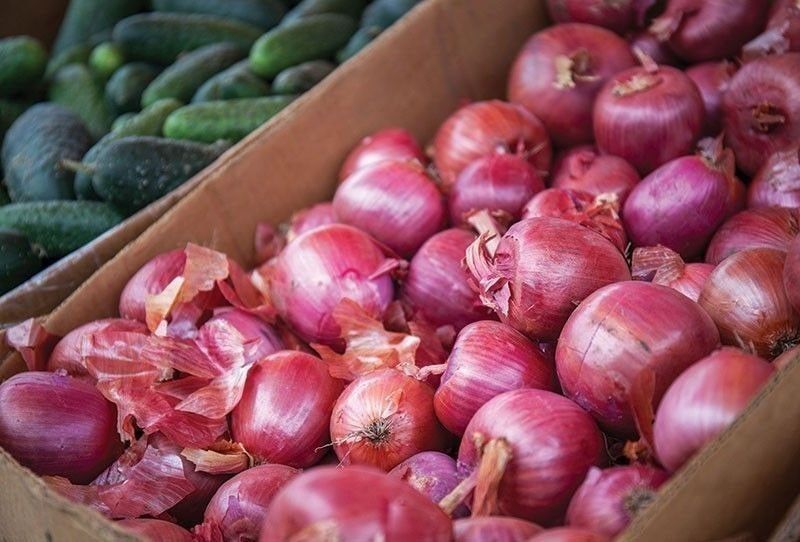
MANILA, Philippines — At least 3,270 metric tons (MT) of imported onions have arrived in the country as part of government efforts to lower retail prices.
“At least 2,300 MT of red onions entered the country and 970 MT of white bulbs,” Agriculture Secretary Francisco Tiu Laurel Jr. told The STAR yesterday.
The Department of Agriculture (DA) earlier approved the importation of 4,000 MT of onions – 3,000 MT of red and 1,000 MT of white – following a surge in retail prices, which reached P200 per kilo.
Tiu Laurel emphasized that the limited importation was intended to curb further price increases while awaiting the peak harvest season. As a result, onion prices have dropped from P200 to P130 per kilo, he added.
Agriculture spokesman Arnel de Mesa projected that red onion prices could further decline to P80 to P100 per kilo with the continued arrival of imports and the peak harvest period.
However, farmers’ group Samahang Industriya ng Agrikultura (SINAG) expressed concern over the depressed farmgate prices, which have dropped to P32 per kilo for white onions and P45 per kilo for red onions.
“The cost of production for white onions is P30 (per kilo). For red bulbs, the farmgate price should be at least P60 (per kilo); P45 (per kilo) is too low,” said Jayson Cainglet, executive director of SINAG.
Cainglet noted that the DA’s target production of 180,000 MT for 2024 is unlikely to be met due to crop damage from armyworms and consecutive typhoons.
He further argued that the DA should have delayed importation until after the harvest season, as the influx of imported onions has driven farmgate prices down.
In 2022, the retail price of onions reached as high as P720 per kilo due to supply shortages and hoarding.
Fish import allocation
The DA has raised the initial import allocation for eligible fish importers, a move industry players say will expedite the utilization of the approved 25,000 MT of imports.
Tiu Laurel recently amended the import rules for the March-to-May period, doubling the initial import allocation per eligible importer from 28 MT to 56 MT.
Subsequent allocations will be capped at 112 MT on a first-come, first-served basis, according to the revised guidelines.
Sources indicated that the DA increased the initial allocation per importer to accelerate the utilization of the approved 25,000 MT of frozen fish imports before May. The 56 MT allocation per importer equates to just two full-load containers.
“Assuming the qualified importers now are 96, then that is just about 5,376 MT. That is low compared to the 25,000 MT approved,” a source said.
Fisheries and Aquaculture Board chair Chingling Tanco said the higher initial import allocation would facilitate faster distribution and importation of the total approved frozen fish volume.
Last month, the DA authorized the importation of 25,000 MT of frozen seafood, including salmon, squid, scallops and sardines to bolster domestic supply and prevent price surges.
“This will add variety in the market, especially for the food service industry, since fish and marine species covered by this importation are mostly fish and marine products not caught locally,” Tiu Laurel earlier said.
He assured the public that the move would not affect local fishermen and would streamline business operations.
Sources told The STAR that the approved imported species are foreign and do not thrive or are caught in Philippine waters, ensuring they do not compete directly with local fishers’ catch.
Tanco said the imported fish would be sold in wet markets and supermarkets, increasing domestic supply and stabilizing prices.
The imports may also be distributed to hotels and restaurants, further expanding market availability. — Jasper Emmanuel Arcalas







- Latest
- Trending