DBM eyes amendments to procurement law
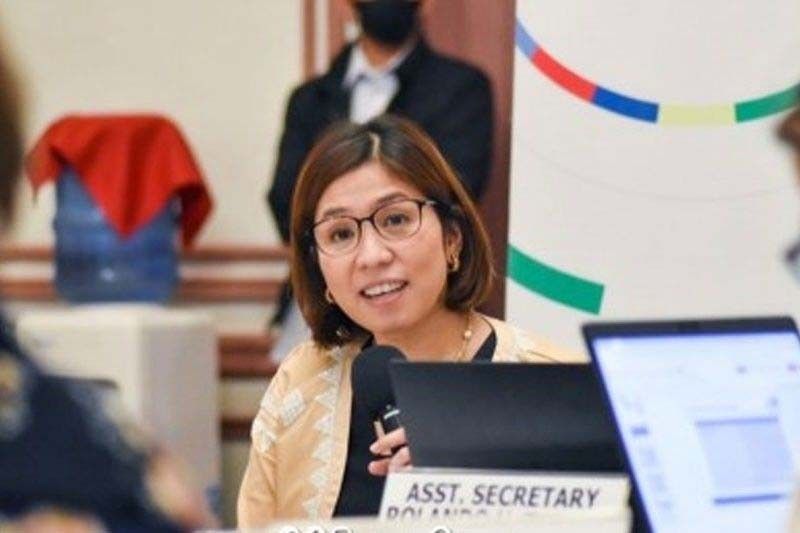
MANILA, Philippines — The Department of Budget and Management (DBM) will propose amendments to the procurement law to address underspending that has contributed to the slower economic growth in the second quarter.
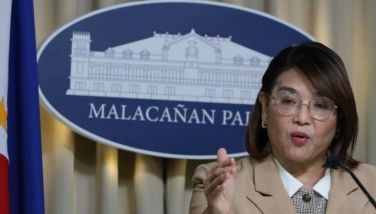
Budget Secretary Amenah Pangandaman said President Marcos is supportive of the proposed amendments, including the establishment of an e-marketplace, a venue similar to online shopping platforms that would allow state agencies to buy directly from suppliers and hasten the procurement processes.
The DBM is also pushing for provisions that will introduce innovative procurement methods, ensure efficient procurement by streamlining processes, promote procurement planning and budgeting, adopt digitalization, innovation and green procurement as well as simplify the eligibility requirements of bidders.
The proposed amendments to the Government Procurement Reform Act (GPRA) of 2003 were presented to Marcos during a sectoral meeting yesterday at Malacañang.
“The GPRA was envisioned to address the lack of transparency and competition, eliminate collusion and political interference and lessen delays in the procurement process. It was one of the major anti-corruption laws in the country, which is recognized by the World Bank as a world-class legislation,” Pangandaman said.
“However, there has already been rapid transformation in technology over the past two decades – and the pandemic propelled the urgency for digital transactions in the country. That’s why our President is correct – that we need to make government procurement more attuned to our changing times,” she said.
Also being proposed is the giving of preference to the “most economically advantageous tender” instead of lowest calculated responsive bid.
“The lowest calculated responsive bid is always mentioned. They say we have to prefer the lowest price, the cheap one but it is not necessarily a good one. So we’re looking at an area wherein we can advance this and improve the evaluation methodology,” DBM procurement service executive director Dennis Santiago said in Filipino.
Pangandaman noted that procurement issues have an adverse impact in public service delivery, admitting that the government has also been hounded by controversies linked to the procurement system.
“Of the total national government budget, up to 25 percent of that is done through procurement. For this year, our total budget is P5.268 trillion, so it’s roughly P1.3 trillion. So it’s quite a huge amount. These are the reasons that this reform has become necessary albeit tedious,” she said.
Pangandaman said the DBM would come up with consolidated proposed amendments in the next two weeks.
The proposal will be presented to the Senate and the House of Representatives for approval.
Pangandaman acknowledged that government underspending, defined as the difference of the program disbursements from actual disbursements, contributed to the slower economic expansion in the second quarter.
The Philippines’ gross domestic product (GDP) grew by 4.3 percent from April to June, down from 7.5 percent in the same period in 2022 and 6.4 percent in the first quarter.
Pangandaman said the government was not able to disburse P170 billion of available funds in the first semester, reducing the contribution of state spending to the GDP.
“If we were only able to at least disburse P65 billion… our GDP growth would have been 5.3 percent. With that you will see how important is the budget that we provide for the government… and how important it is for the government to plan and implement projects on time,” Pangandaman said.





- Latest
- Trending