Growth opportunities loom for Philippine housing market despite headwinds
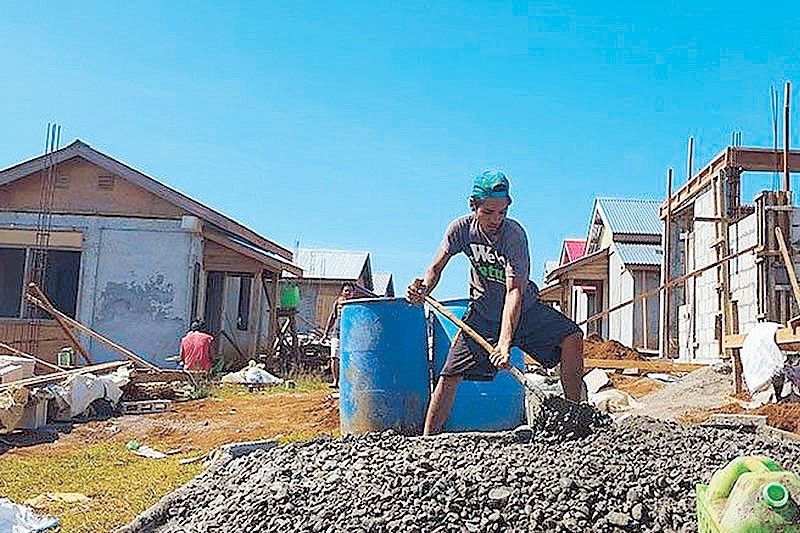
MANILA, Philippine — The Philippine residential property market continues to demonstrate underlying demand despite economic headwinds, with affordable condominiums, government housing initiatives, and emerging regional growth centers offering opportunities for sustained industry growth.
This, as developers adjust supply to prevailing market conditions.
Data from Leechiu Property Consultants showed that underlying housing demand remained steady in the first half of 2026, highlighting the continuing need for residential properties even as developers recalibrate their strategies to improve inventory absorption and align new projects with buyers’ purchasing capacity.
Metro Manila’s unsold condominium inventory reached approximately 82,900 units, equivalent to about 34 months of supply, prompting developers to prioritize existing projects, preserve capital and adopt a more measured approach to new launches.
The adjustment provides an opportunity for the industry to strengthen inventory management, improve sales performance and ensure that future developments are more closely aligned with actual market demand.
Colliers Philippines Director of Research Joey Roi Bondoc said in the firm’s second-quarter 2026 report that the slowdown in office and residential launches represents a necessary strategic shift, allowing the market to absorb accumulated inventory before additional supply enters the market.
The property sector continues to navigate subdued economic growth, persistent inflation and elevated interest rates, which have affected homebuyer affordability and widened the gap between property prices and average household income.
Reflecting these market conditions, combined residential pre-sales among Ayala Land Inc., SM Prime Holdings Inc., Robinsons Land Corp. and Megaworld Corp. declined by 7% in the first half of 2026, underscoring the importance of pricing strategies and targeted offerings in sustaining sales.
Despite these pressures, affordable and lower-middle residential segments remain important sources of market activity. Colliers data showed that condominiums priced between P1.8 million and P3.6 million accounted for nearly two-thirds of total Metro Manila condominium take-up in the first half of the year.
The strong share of take-up in this price range highlights the importance of affordability in sustaining residential demand and presents opportunities for developers to serve a wider pool of prospective homeowners through products suited to their financial capacity.
Government housing initiatives are also positioned to support market participation. Pag-IBIG Fund recently increased its housing loan ceiling to P10 million, giving qualified borrowers access to financing for higher-value residential properties.
The government’s Pambansang Pabahay para sa Pilipino (4PH) program likewise provides a framework for expanding access to housing, while potential interest rate reductions could help improve borrowing conditions and encourage more prospective buyers to enter the market.
Beyond Metro Manila, regional centers are emerging as additional opportunities for residential development. Colliers identified potential growth areas across Luzon, the Visayas and Mindanao, particularly horizontal house-and-lot developments in Central and Southern Luzon.
Expanding into regional markets gives developers opportunities to diversify their project portfolios and respond to housing requirements outside the capital region, while allowing them to align investment decisions with demand in specific local markets.
The pace of the broader recovery, however, will depend on inventory absorption, development costs and financing conditions. S&P Global Ratings Corporate Ratings Analyst Johann Tan warned that a meaningful rebound in the Philippine residential sector may not materialize until late 2027, as excess supply, elevated development costs and high financing rates continue to weigh on transaction volumes.
Tan said these pressures would take time to subside, with more noticeable improvement expected toward the latter part of 2027 as macroeconomic headwinds stabilize. The outlook points to a gradual recovery rather than an immediate surge in residential property transactions.
For developers and investors, the current environment underscores the value of disciplined capital allocation, effective inventory management and a stronger focus on segments with demonstrated demand. Affordable condominiums, government-backed housing initiatives and regional expansion offer identifiable areas of opportunity as the industry adjusts to changing market conditions.
The sector’s ability to match new supply with actual demand, improve homebuyer affordability and respond to evolving financing conditions will be critical to its longer-term performance. (Contributed story)





- Latest