Michelin Guide spurs Philippines restaurants to up their game
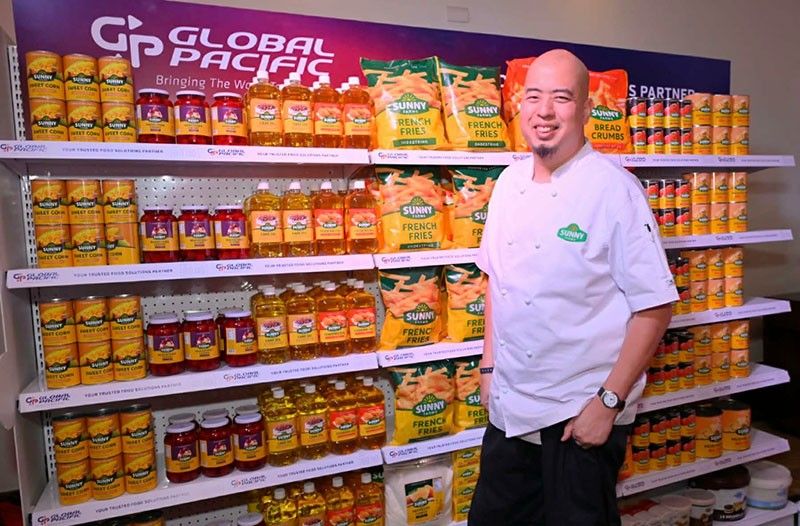
CEBU, Philippines — The Michelin Guide’s entry into the Philippines is forcing restaurants to overhaul operations and sharpen long-term strategy, raising industry-wide standards as diners demand higher levels of quality and consistency beyond the fine-dining tier.
Chef and culinary consultant Bruce Lim said the guide has accelerated a shift toward stricter kitchen discipline, more reliable sourcing and a broader focus on the overall dining experience, from execution and service to ambience.
“Restaurants are no longer thinking only about taste,” Lim said. “They’re thinking about consistency, value, presentation and the full experience.”
Even casual and neighborhood eateries are adjusting. While few expect Michelin recognition, heightened consumer awareness of quality benchmarks is prompting upgrades in ingredients, standardized processes and tighter execution, he said.
For suppliers, the change favors brands that can deliver predictable flavor profiles, uniform sizing and consistent yields, reducing operational risk during busy service periods.
“The Michelin effect raises expectations across the board,” Lim said. “Once diners pay attention to quality and detail, restaurants can’t afford inconsistency in food cost, portioning or flavor.”
Menu strategies are shifting as well. Some chefs are narrowing offerings to dishes they can execute reliably, easing kitchen strain while improving consistency.
Eighteen Cebu-based restaurants were included in the 2026 Michelin Guide selection, reflecting Cebu’s emergence as an international dining destination.
At the inaugural Michelin Guide Ceremony covering Manila, its environs and Cebu, 25 Philippine restaurants received Bib Gourmand distinctions, while more than 70 establishments were listed as Michelin Selected.
Beyond Michelin, social media platforms are reshaping competition by rewarding visual presentation and brand storytelling.
Lim said restaurants increasingly design dishes with online visibility in mind as Instagram and TikTok amplify consumer reach.
“You can have great food, but if it doesn’t stand out visually or conceptually, it’s very hard to gain traction now,” he said.
The business impact is tangible. Operators are investing in standardized plating and repeatable recipes to ensure dishes look identical across services, particularly when viral exposure triggers sudden spikes in demand. Consistency helps restaurants convert online popularity into sustainable foot traffic without sacrificing quality.
The shift has lowered barriers to entry, allowing food carts and pop-ups with strong branding to gain national attention quickly.
“What matters is clarity of concept,” Lim said. “Even a simple product can succeed with strong identity and consistent execution.”
Lim said Filipino cuisine has global potential but risks fragmentation without clearer standards. He pointed to Thailand’s government-backed effort to define core recipes and flavor profiles before promoting its cuisine internationally, enabling consistency across markets.
“If we want Filipino food to go global, we need a common standard,” said Lim, who served as executive chef for the 2019 Southeast Asian Games. “You can’t have five versions of adobo overseas and expect people to understand Filipino food.”
Regional variations of staples such as adobo, sinigang and kare-kare are a local strength but complicate international branding. Standardization, he said, would create a recognizable baseline without eliminating diversity.
For manufacturers, restaurateurs and exporters, clearer benchmarks could open markets for sauces, ready-to-eat meals and packaged ingredients, positioning Filipino cuisine as a scalable global category rather than a niche offering.


- Latest