


Improved security cuts fake banknotes
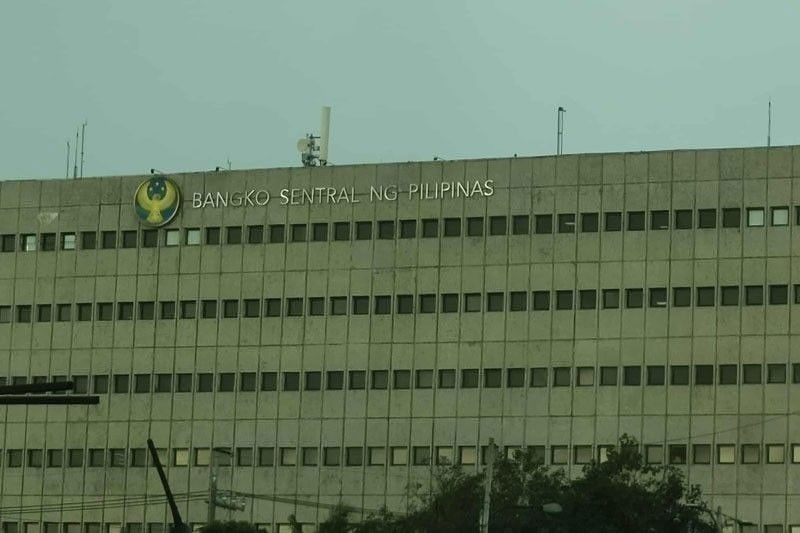
MANILA, Philippines — The number of counterfeit banknotes documented by the Bangko Sentral ng Pilipinas (BSP) declined by 17 percent in 2025 as improved security features and wider public awareness strengthened the detection of fake currency.
Data from the BSP’s 2025 annual report showed that recorded counterfeit banknotes fell to 57,945 pieces from 69,925 pieces in 2024.
This was equivalent to 10 counterfeit notes for every one million genuine banknotes in circulation, improving from 13.2 parts per million a year earlier.
“This reduction reflects the effectiveness of enhanced banknote security features that made counterfeiting more difficult, alongside increased public awareness and expanded training that strengthened counterfeit detection capabilities,” the BSP said.
Paper banknotes continued to account for nearly all reported counterfeits at 56,587 counterfeit paper notes in 2025, down by 19.1 percent from 69,922 pieces the previous year.
Paper bills represented 97.7 percent of total counterfeit banknote submissions, while polymer notes accounted for the remaining 2.3 percent.
Counterfeit polymer banknotes rose to 1,358 pieces from only three in 2024.
However, the BSP said polymer bills remained relatively resilient against counterfeiting.
Since their introduction in 2022, polymer notes have made up just 0.6 percent of all counterfeit banknotes recorded by the central bank.
The government initially introduced the polymer P1,000 bill in 2022 before expanding the use of the material to other denominations.
Inkjet printing was the most common technique used by counterfeiters, accounting for 63.3
percent of documented cases. Laser printing made up 33.5 percent, while the alteration of security threads represented 3.1 percent.
Nearly half of reported counterfeit banknotes were found in Metro Manila, which accounted for 45.3 percent of the total. Calabarzon was a distant second with an 11.3-percent share.
Counterfeit currency was commonly recovered in areas with heavy pedestrian activity. Shopping malls accounted for 33.9 percent of reported recoveries, followed by supermarkets at 23.8 percent and wet markets at 17.6 percent.
Meanwhile, recorded counterfeit coins increased in 2025 but remained below one part per million of genuine coins in circulation.
The BSP documented 1,505 counterfeit coins from the old BSP Coin Series, up by 68.9 percent from 891 pieces in 2024. No counterfeit coins from the New Generation Currency series were reported in either year.
According to the central bank, most of the counterfeit coins were remnants from previous years and mainly involved five-piso coins from the older series.
It said micro-printed details and laser-engraved designs incorporated into the New Generation Currency coins had helped deter counterfeiting attempts.
The BSP, together with partner government agencies, conducted five law enforcement operations involving currency-related offenses last year.
Among these were simultaneous buy-bust operations in Siquijor and Boracay Island against an organized group accused of defacing, mutilating and destroying legal tender.
The group allegedly removed the inner cores of 10-piso coins and converted them into jewelry that was sold to tourists.


- Latest
- Trending


