OceanaGold bets on tech to streamline mining works
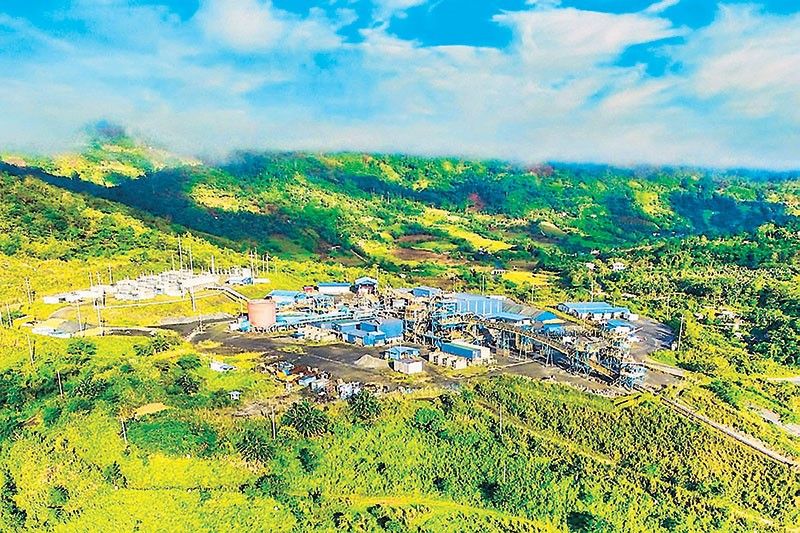
MANILA, Philippines — OceanaGold Philippines Inc. (OGPI) is adopting more technologies to improve safety and efficiency at its gold and copper Didipio Mine in Nueva Vizcaya.
The company’s technology strategy focuses on four aspects, namely automation, connectivity, monitoring and optimization.
“Innovation is not just about demonstrating technology for its own sake. It has to change the way we work for the better by making the work safer and by helping our people and equipment work more effectively,” Didipio Mine asset president James Isles said.
The company has implemented the AutoMine feature, enabling remotely operated underground loaders to be used from a surface control station.
This would allow mine workers to operate and supervise equipment from outside active production areas, reducing their exposure to underground hazards.
OGPI has invested in underground fiber and WiFi networks, allowing information during mine works move between underground areas and surface teams.
The company also uses drones, satellite-based monitoring and ground sensors to better monitor operating and ground conditions.
OGPI has gradually adopted these technologies and integrated them into its existing mine processes.
Mine workers have also conducted training and operational performance assessments during each rollout.
Meanwhile, the company has also adopted wireless underground blasting system at its Didipio Mine.
The company has completed a trial of Orica’s WebGen technology, becoming one of the first mining operation in the Philippines to use the method.
The wireless blasting system allows underground blasts to be carried out without the physical connections traditionally required between explosives, helping reduce workers’ exposure to high-risk areas while improving operational flexibility.
The company said the technology could also increase throughput, reduce blasting-related delays and simplify parts of the underground mining process.
“As we mine deeper underground, our priority is to find better ways of keeping our people away from higher-risk areas while maintaining safe and productive operations,” Isles added.







- Latest
- Trending