Debt-to-GDP ratio hits 22-year high
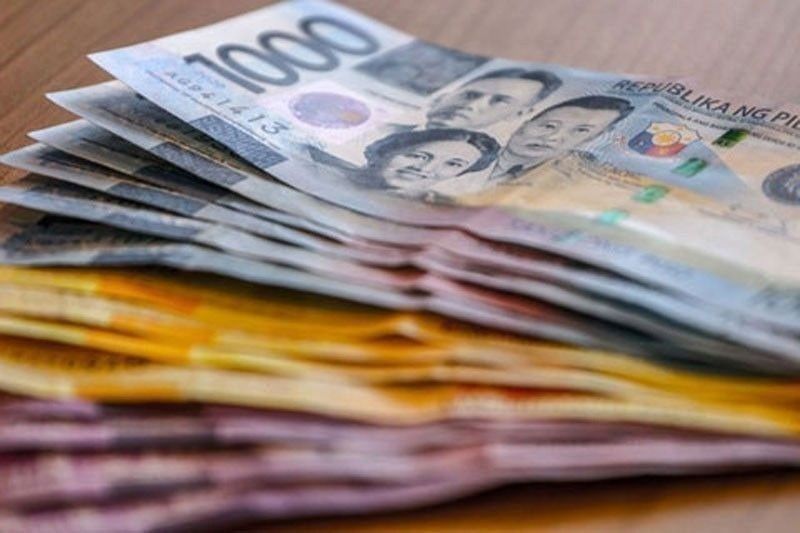
MANILA, Philippines — The Philippines’ debt burden climbed to a fresh 22-year high of 66.9 percent of gross domestic product (GDP) as of end-September, raising concerns over fiscal sustainability as economic growth continued to weaken.
Latest data from the Bureau of the Treasury (BTr) showed that the national government’s debt-to-GDP ratio, which measures outstanding government obligations relative to the size of the economy, rose from 66 percent in end-June and 63.2 percent at end-2025.
The latest reading was the highest since the 71.6 percent recorded in 2004, signaling mounting challenges for the government in reducing its debt burden.
The increase came as the country’s economic growth slowed to 2.1 percent in the third quarter from the revised 2.4 percent in the previous quarter, according to the Philippine Statistics Authority.
John Paolo Rivera, senior research fellow at the Philippine Institute for Development Studies, said the elevated debt ratio was becoming increasingly concerning as sluggish economic expansion made it harder for the government to stabilize its obligations.
He warned that the continued increase could further constrain fiscal space, amid growing pressure from debt servicing requirements.
“There is no single debt threshold that automatically signals a fiscal crisis,” Rivera said, emphasizing that debt sustainability depends on economic growth, government revenues and borrowing costs.
BTr data showed that outstanding government debt reached a record P19.66 trillion as of end-September, up from P19.07 trillion in June and P17.71 trillion at end-2025.
Domestic obligations accounted for 67.4 percent of the total at P13.25 trillion, while external debt comprised the remaining 32.6 percent at P6.41 trillion.
Looking ahead, Rivera cautioned that the debt-to-GDP ratio could reach 70 percent by year-end, although such an outcome remains uncertain.
“Reaching 70 percent by year end is possible but not inevitable,” he said. “Much will depend on the fourth quarter growth, additional borrowing and forex rate movements.
To contain the debt burden, Rivera said policymakers should prioritize restoring economic growth, strengthening revenue collection and ensuring that public borrowings finance productive investments that improve the country’s capacity to repay its obligations.
Under the Philippine Development Plan 2023-2029 Midterm Update, the Marcos administration expects the debt-to-GDP ratio to be 60 to 63 percent this year, 59 to 62 percent in 2027 and 58 to 61 percent in 2028.








- Latest
- Trending