The timeless craft of a wooden kuna

MANILA, Philippines — Kuna.
A timeless, valuable wooden artifact that has been part of Filipino life for generations, symbolizing new beginnings and the joys of family. What began as a family of two has grown into a family of three.
The wooden crib is also a testament of growth. It provides a secure space for an infant to sleep. A sturdy space for a toddler to crawl, stand and play.
But the fast-changing furniture landscape has pushed the kuna into the background, particularly among younger Filipino parents.
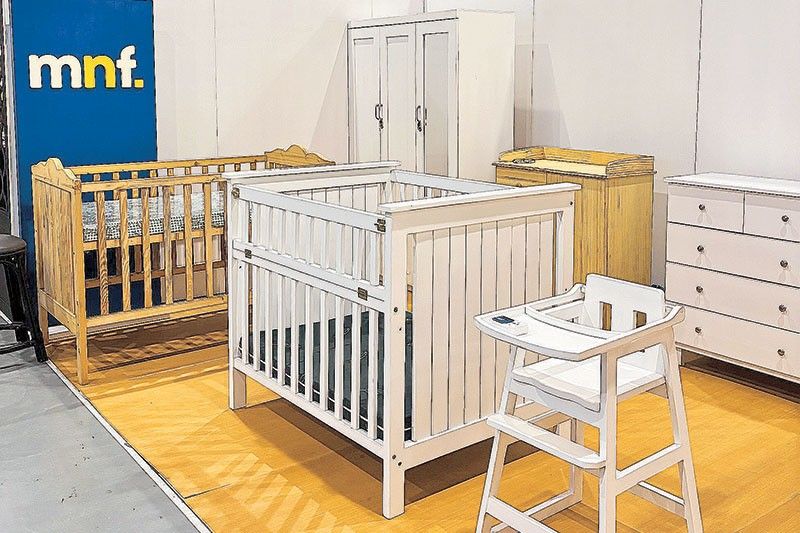
Amid this shift, Mallari’s Nursery Furniture (MNF) continues to keep the tradition alive. The Lubao, Pampanga-based manufacturer has proudly made wooden cribs for almost four decades.
Ariel and Catherine Mallari founded the company after their wedding in 1990. They started with a P10,000 capital, all from the gifts they received on their wedding day.
What began as a backyard enterprise has since grown into one of Pampanga’s most recognizable woodcraft businesses.
Catherine said that demand for low-cost baby cribs, which the company caters to, remains “strong” and “steady.”
At the same time, she sees growing demand for upscale nursery furniture as more soon-to-be parents become intentional about family planning and preparing for the arrival of a child.
“(There is an) emerging demand for upscale nursery furniture as more and more soon-to-be parents have become more intentional in planning for family or having children,” Catherine told The STAR in an email interview.
“There is also a strong emphasis on design and aesthetics as planning for a family has become more intentional,” she added.
The growing preference by new and soon-to-be parents for design and aesthetics has driven the demand for non-wooden cribs. Meanwhile, the rise of e-commerce has intensified competition for nursery furniture, allowing foreign substitutes to enter the local market more freely and quickly.
Catherine noted that international furniture brands offering prices comparable to those of local makers have made it increasingly difficult for domestic players to move their products.
To navigate these challenges, MNF stays true to its core values: trust, quality and craftsmanship.
“(We stay) rooted in our values as a Filipino homegrown brand that understands the consumer’s needs. (We continue) to provide post-sales services and assistance,” Catherine said.
That’s one of the things that sets a local nursery furniture maker apart from online sellers: the possibility of repair and after-sales services. The problem with buying from e-commerce platforms is the lack of repair and sometimes warranty support, leaving parents to their own devices to fix their furniture.
MNF is also taking advantage of new entrants in the local market by benchmarking its product portfolio against foreign brands for pricing and design. As a small and medium enterprise, MNF struggles with a limited research and development budget.
“As such, we see foreign brands in the market as inspiration for new product offerings and matching it with the quality that our products have been known for,” Catherine said.
Government support
Innovation has been part of MNF’s operations. In 2012, it won the Best Regional Small Enterprise Technology Upgrading Program (SETUP) award from the Department of Science and Technology (DOST).
SETUP is one of DOST’s flagship programs that helps Filipino entrepreneurs adopt technological innovations to improve operations, boost productivity and enhance competitiveness.
SETUP supports MSMEs by providing seed funds for technology acquisition, equipment upgrades, technical training, packaging and label design and more, according to DOST.
Through the SETUP award, MNF enhanced its productivity by adopting newer technology and machinery, resulting in higher capacity and output, reduced craft time and fewer rejects.
In that same year, MNF was also included in the directory of Innovative ASEAN SMEs.
Eventually, MNF expanded its product line to home furniture. Today, its product portfolio includes cribs, high chairs, sala sets, bed frames and cabinets.
“Unlike flat-pack furniture, MNF products require less manual labor from the end-user,” Catherine said.
Flat-pack furniture refers to furniture products whose individual parts are packed flat in boxes for the buyer to assemble at home.
“Our expertise and local carpentry craftsmanship assure the end-user that they get quality products and get their money’s worth in terms of quality,” she added.
MNF continues to use cast-away pallets sourced from various logistics companies, keeping costs low while providing quality, sustainable products.
“The company has also since expanded to using brand-new timber of different species that are mainly used for the MNF home line,” she said.
Catherine said nothing beats wooden furniture in terms of quality and longevity. Wooden furniture remains more durable and long-lasting compared with plastic furniture, she pointed out.
“We find that Filipino families tend to put value in durability when sourcing for furniture as they intend to use it for as long as they can (i.e. buy furniture for the first child then use the same if they plan to have children again),” she said.
MNF remains a family-owned and run business, with the matriarch overseeing general management and finances. Catherine also handles production of the company’s mass-produced line for its business-to-business clients following her husband’s passing in 2021.
The youngest daughter, Kristinne, handles design R&D and administrative work, while the eldest son, Vincent, manages project management for custom-design and interior build-up projects.
MNF is an active member of Pampanga Furniture Industries Foundation Inc., the umbrella organization of furniture makers based in Pampanga, considered the country’s furniture capital. The company also regularly participates in various local events and exhibitions, showcasing its diverse product portfolio.
“While we cannot force (Filipinos) to only support local brands, we want to highlight that homegrown furniture brands like us also help sustain the Filipino craftsmanship in furniture,” Catherine said.
“While our neighbor countries are focused in advancing technologies and heavy automation of production processes, Filipino brands continue to advocate for the furniture craftsmanship that has long been one of Pampanga’s valued crafts,” she added.





- Latest
- Trending