GlobalSource makes case for bigger 50-bp BSP rate hike
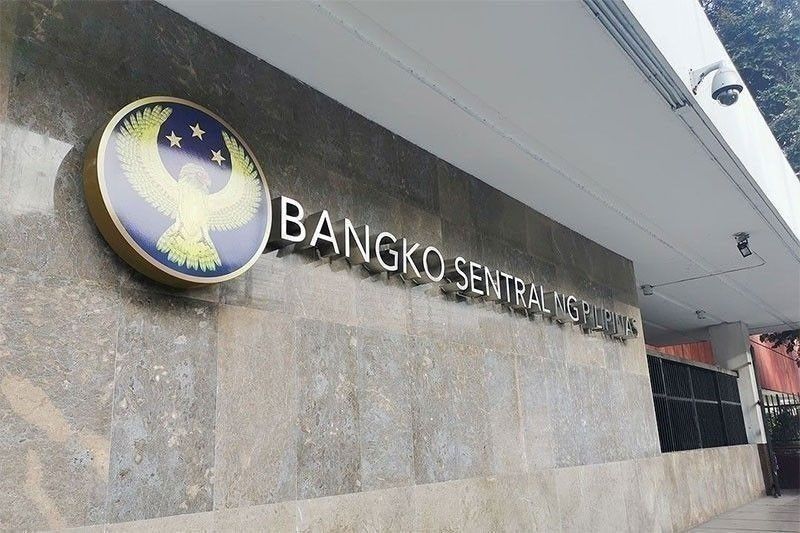
MANILA, Philippines — New York-based GlobalSource Partners is advocating a larger 50-basis-point interest rate hike by the Bangko Sentral ng Pilipinas (BSP) today, warning that a smaller adjustment may not be enough to contain worsening inflation and prevent further damage to household spending and economic growth.
In a report, GlobalSource Partners economists Diwa Guinigundo and Wilhelmina Mañalac said a half-percentage-point increase would send a stronger signal of the BSP’s commitment to price stability, even as weak domestic demand complicates monetary policy decisions.
A 50-basis-point hike would bring the BSP’s benchmark policy rate to 5.50 percent from the current five percent at the Monetary Board’s meeting today. The benchmark rate influences borrowing costs across the economy.
“Our view is that a 50-basis-point increase is warranted,” they said, citing accelerating headline inflation, rising underlying price pressures and the BSP’s own projections showing above-target inflation through 2027.
The economists warned that a smaller adjustment might not adequately reflect the deterioration in price conditions, potentially allowing inflation to become more persistent and requiring prolonged monetary tightening later.
“The BSP needs to respond not just to where inflation is today, but to where it appears to be heading,” Guinigundo and Mañalac said.
Headline inflation accelerated to 7.2 percent in September from 6.1 percent in August, bringing the nine-month average to 5.4 percent, well above the BSP’s two to four percent target.
Core inflation, which excludes volatile food and energy items, averaged 3.8 percent from January to September, up from 2.4 percent in the same period last year.
Guinigundo and Mañalac said the increase in core inflation suggests that price pressures are spreading beyond food and energy, raising concerns that businesses and households could begin adjusting their prices, wages and spending decisions in anticipation of persistently high inflation.
However, the report acknowledged that a larger rate hike carries significant risks for an economy already facing weak domestic demand.
The country’s gross domestic product expanded by only 2.3 percent in the second quarter, while gross capital formation – a measure of investment in productive assets – contracted by 9.2 percent.
The economists noted that the economy continues to operate below its potential, suggesting that further increases in borrowing costs could discourage investment, consumption and business expansion.
Nevertheless, they argued that allowing inflation to remain elevated could be equally damaging to economic activity.
As households spend more on food, electricity, fuel and transportation, they have less disposable income for other goods and services, eventually forcing them to reduce consumption.
This could trigger what economists call demand destruction, where persistently high prices cause consumers to cut spending, weaken business sales and prompt companies to delay investment and hiring.
Guinigundo and Mañalac said such an outcome could further undermine economic recovery even without additional interest rate increases.
They maintained that a stronger initial policy response could help prevent inflation from becoming entrenched, potentially reducing the need to keep interest rates elevated for an extended period.





- Latest
- Trending