


Peso crosses 63 to $1 level
Weakest on record
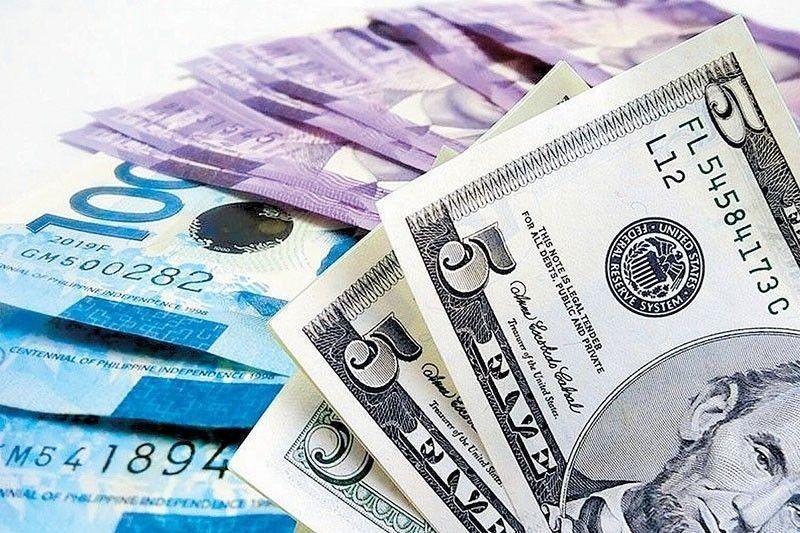
MANILA, Philippines — The peso breached the 63-to-a-dollar level yesterday, closing at a fresh record low as US inflation heated up, reinforcing expectations of prolonged high interest rates and boosting the dollar against emerging-market currencies. Data from the Bankers Association of the Philippines showed the peso closed at 63.06 to $1, weakening by 19 centavos from Wednesday’s 62.87 finish. It surpassed the previous record closing low of 62.90 set on Oct. 8.
The currency opened at 62.83 and traded between 62.75 and an all-time intraday low of 63.15 before recovering some ground at the close. Trading volume jumped by 59.6 percent to $1.5 billion from $941 million the previous day.
UnionBank chief economist Ruben Carlo Asuncion said stronger US inflation and expectations that the Federal Reserve would keep interest rates elevated for longer supported the dollar and pushed up US Treasury yields.
“This has reduced investor appetite for emerging-market currencies, including the peso,” Asuncion said.
He said higher oil prices, geopolitical uncertainties, elevated domestic inflation and softer foreign reserve levels also contributed to the peso’s weakness.
A trader similarly attributed the decline to the overnight US consumer price index report, which measures changes in the prices of goods and services bought by households.
“The release revived market expectations that the Fed might consider a rate hike by the end of the month,” the trader said.
The trader expects the peso to remain volatile and tilted toward further weakness as the Bangko Sentral ng Pilipinas (BSP) enters its quiet period ahead of next week’s policy meeting, leaving market participants awaiting guidance on its response.
John Paolo Rivera, senior research fellow at the Philippine Institute for Development Studies, said global uncertainty, elevated oil prices and sustained dollar demand were weighing on the currency alongside domestic concerns over inflation and investment inflows.
“Breaching 63 does not necessarily mean sustained depreciation,” Rivera said. “Concern is its impact on import costs, inflation and household purchasing power.”
A weaker peso raises the local currency cost of dollar-priced imports such as fuel, potentially adding to business expenses and consumer prices.
Rivera said managing excessive exchange rate swings while preserving price stability and investor confidence should be the priority.
Asuncion also expects the peso to remain volatile and generally inclined toward weakness, although easing US inflation, a Federal Reserve less inclined to keep rates high or firmer BSP policy support could help temper exchange rate movements.






- Latest
- Trending


