Budgetary support to GOCCs surges in H1
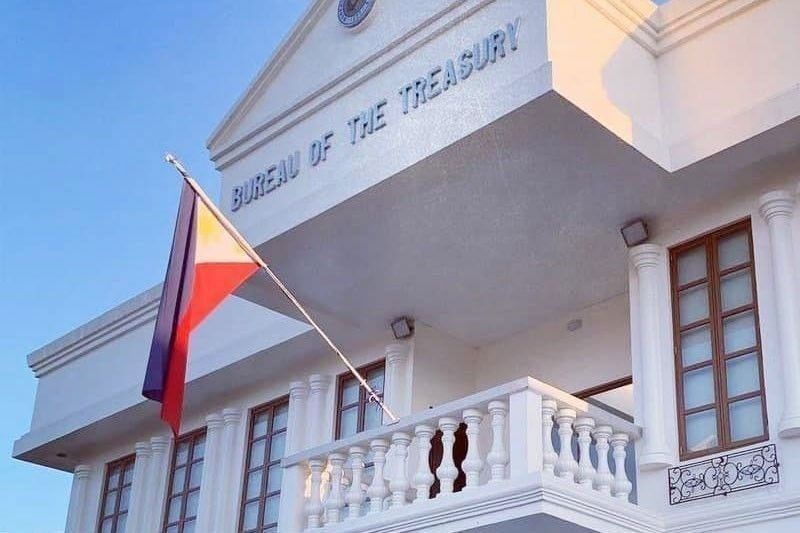
MANILA, Philippines — Government subsidies to state-owned corporations more than doubled in the first half of 2026, driven largely by the restoration of funds to the Philippine Health Insurance Corp. (PhilHealth).
Data from the Bureau of the Treasury (BTr) showed that subsidies to government-owned or controlled corporations (GOCCs) amounted to P114.58 billion from January to June, up by 118.2 percent from P52.5 billion in the same period last year.
The government grants subsidies to GOCCs to cover operational expenses not supported by their own revenues.
PhilHealth received the biggest budgetary support among the GOCCs in the first semester at P60 billion, a returned fund balance from unutilized subsidy remitted to the Treasury in 2024, following the Supreme Court (SC) ruling.
Food Terminal Inc. followed with P10 billion, which it got as a one-time allocation in June. The National Irrigation Administration received a subsidy of P8.96 billion while the National Food Authority received P8.71 billion.
Meanwhile, the Zamboanga City Special Economic Zone Authority has been given the smallest subsidy during the period, at P24 million.
Despite the sharp increase in subsidies this year, the government has proposed a P191.8-billion budgetary support for GOCCs next year, 27.6 percent lower than the P264.9 billion allocated this year.
Governance Commission for GOCCs chairman Marius Corpus said the DBM carefully studied this based on the public service mandate of the GOCCs concerned.
“These are the GOCCs whose primary purpose is service to the public and not commercial in nature. I would say the decline in subsidy is both due to the more prudent expenditures of these GOCCs as well as the government policy to reduce reliance on the National Government for budgetary support,” he said.
Corpus also noted that public service-oriented state-run firms without commercial operations will continue to receive government financial support to fulfill their public service mandate.
At the same time, the government is also moving to abolish 21 GOCCs that it says no longer fulfill their mandates, but Corpus said it was too early to estimate how much the government could save or raise from the liquidation of the corporations.
“It’s difficult to say, because while some of them have assets, they also have liabilities. Any outstanding liabilities must first be settled, if any,” Corpus said.
In some cases, especially real properties, they need to be appraised before they can be disposed of, sold or transferred to another government agency or turned over to a parent GOCC, if any, he said.
“The liquidation process is quite tedious,” Corpus said, adding that the technical working group overseeing the process must ensure that the government’s interests are given due consideration.



- Latest
- Trending