BSP seen among first in ASEAN to hike rates
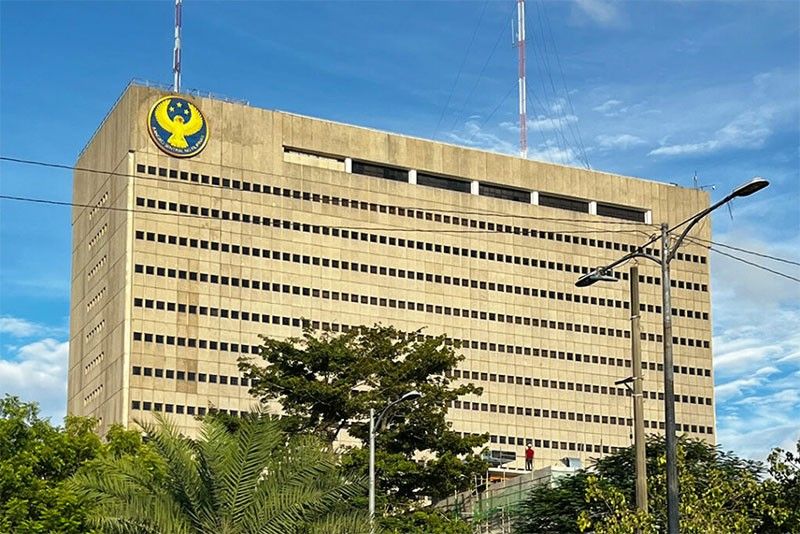
MANILA, Philippines — The Bangko Sentral ng Pilipinas (BSP) could be among the first central banks in Southeast Asia to raise interest rates again as rising energy prices threaten to push inflation higher, according to Nomura Global Markets Research.
In a report titled “Asia in Charts: Two ASEANs in 2026,” Nomura said investors increasingly see the Philippines as vulnerable to the inflationary impact of surging oil prices linked to tensions in the Middle East.
“Many clients agree that BSP could be among the first to hike, likely earlier than Bank Indonesia, given the impact of rising energy prices on inflation and BSP’s orthodox inflation-targeting mandate,” Nomura said.
The report noted that the Philippines is among the economies in the region facing a more cautious outlook, alongside Indonesia and Thailand, as geopolitical developments and domestic risks weigh on growth.
For the Philippines, the research firm warned that the conflict in Iran could worsen the country’s inflation outlook and external balances.
Domestic political risks are also rising, while the resolution of the ongoing corruption scandal remains uncertain.
Higher oil prices are seen as a major challenge for the Philippines, which relies heavily on imported fuel. A sustained surge in crude prices could drive up transportation and power costs while widening the trade deficit.
Investor concerns also extend to the country’s large overseas workforce in the Middle East, a region that hosts 2.2 million Filipino workers whose remittances support domestic consumption.
Nomura added that investors also asked about the BSP’s recent foreign exchange interventions and whether the country’s reserve buffers remain strong enough to stabilize the peso.
“We received questions on why BSP recently changed to become more interventionist in forex markets and whether its reserve adequacy ratio is high enough to keep the peso below 60 against the dollar,” it said.
The report forms part of Nomura’s broader “two ASEANs” framework, which divides the region between economies expected to outperform and those facing stronger headwinds.
Malaysia and Singapore were cited as the region’s bright spots. By contrast, Indonesia, Thailand and the Philippines are seen as more exposed to external shocks and domestic constraints.
Still, the outlook remains fluid as investors monitor developments in the Middle East conflict and its potential impact on global energy markets.





- Latest
- Trending