NCR residential condo market cools as POGO premiums fade
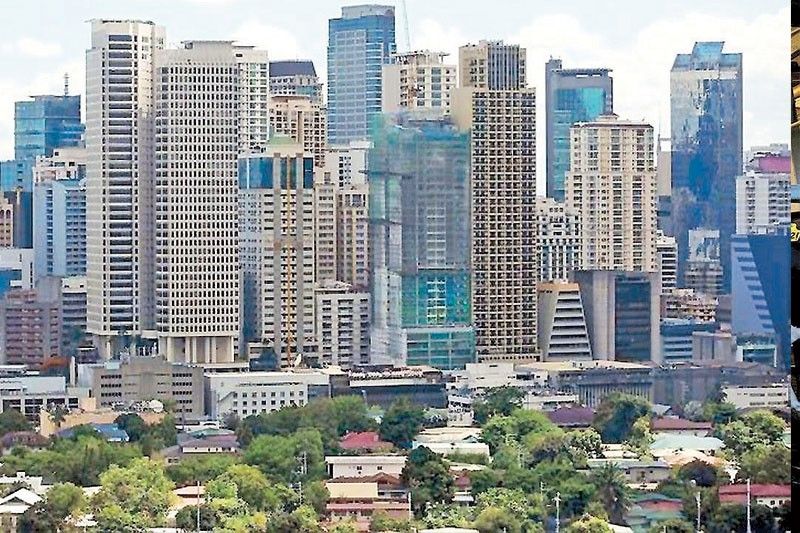
MANILA, Philippines — The Metro Manila residential property market is recalibrating as demand eases and rental rates normalize after years of distortion from POGO-driven premiums, even as overall supply remains stable.
Metro Manila’s condominium stock stood at 775,400 units as of this year, comprising 96 percent ready-for-occupancy (RFO) units and 62 percent pre-selling units sold. The remaining unsold inventory, estimated at roughly 26,400 RFO units and 53,900 pre-selling units, is heavily concentrated in the upper-middle income to upscale segments, priced between P4 million and P12 million.
The unsold inventory, equivalent to three-and-a-half years supply, underlines the widening affordability gap for the broader middle-income market.
As buyers seek competitive pricing, primary market demand remains subdued, as they increasingly shift toward better value offers in the secondary market, prompting developers to sustain primary unit sales through promotions and limited incentives.
Rental yields remain modest as current rents return to real market levels from the previously distorted market, driven by premium rates resulting from POGO. Current rental values more accurately reflect actual demand, despite pressure set on yields.
“The market is in a recalibration phase. We’re seeing a shift from speculative buying to more value-driven strategies, with buyers exploring secondary market deals and developer promos. Rental rates are normalizing after years of distortion, a trend that is healthy for long-term sustainability. But affordability remains the biggest challenge—addressing this gap is critical to encouraging broader market participation,” director for Research, Consultancy, and Valuation at Leechiu Property Consultants Roy Amado Golez Jr.
Outside Metro Manila, residential condominium supply remains concentrated in major regions, with Cebu leading with over 100,000 units, followed by the CALABA (Cavite, Laguna, Batangas) corridor with more than 66,000 units. Meanwhile, Iloilo and Bacolod maintain moderate inventory levels. Regions 10 and 11 in Mindanao also exhibit strong pipeline activity, driven by township projects and infrastructure expansion.
The housing backlog stood at 10.65 million units as of 2024, with a persistent undersupply in low-income segments. Due to thin margins and compliance hurdles, developers remain cautious in entering the low-income segment.
Addressing this, policy reform is being implemented among government agencies, the private sector and academe, focusing on measures such as adjusting price ceilings and improving compliance frameworks.
The government is also actively pursuing financing programs aimed at expanding access for low-income households, although alternative ownership models, such as rent-to-own schemes, are gaining traction.
These collaborative efforts are designed to close the gap and promote inclusive housing nationwide








- Latest
- Trending