‘Architect of tycoons’ launches biography

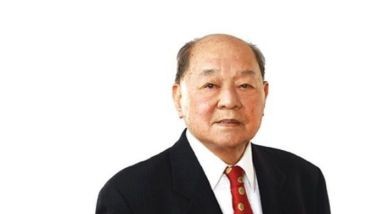
MANILA, Philippines — Celebrated architect and developer Gilbert Yu has launched his biography, The Life and Adventures of Architect Gilbert Yu, sharing lessons for the next generation of designers who must now think beyond blueprints and master business strategy.
Yu, who co-founded G&W Architects and delivered projects such as Sapphire Residences and Kensington Place in Bonifacio Global City, said architects must evolve into “development consultants” capable of reading markets, assessing project feasibility and advising business leaders.
“Architecture is not just about designing structures – it’s about building lives,” Yu said during the launch. “Every structure must have purpose, be designed with excellence and built for permanence.”
Yu was known for shaping landmark projects for some of the country’s top business leaders. Often dubbed the “architect of tycoons,” he recalled working with some of the country’s biggest names in business, including mall magnate Henry Sy. But he admitted being “disappointed” at how some tycoons were too focused on profit.
“My disappointment with tycoons is they are always focusing on money and return,” Yu said. “I try my best to tell them that you should do something to contribute to humankind instead of just profit. Henry Sy later on became that way, building malls that made the lifestyle of people better.”
The biography, written by Philippine Star journalist Iris Gonzales, chronicles Yu’s journey from a sari-sari store in Manila’s Chinatown to becoming one of the country’s most prominent Filipino-Chinese architects.
He credited his rise to persistence, imagination and what he calls his personal formula: “Zero plus zero plus zero equals 100.”
“I came from nothing – no knowledge, no experience, no resources. But through determination and dreams, I built a career, a family and a legacy,” Yu said.
The book also captures Yu’s philosophy on how architecture and business intersect. He urged schools to teach young architects entrepreneurship, given that property values, urban trends and technological shifts increasingly shape the industry.
Yu’s eldest son, Daniel Terrence Yu, who is also president and chief executive officer of VisionArch, said his father instilled discipline and adaptability in the firm. “He always told me not to be comfortable where you are and that you should constantly change for the better,” he said.
Terrence added that new design trends in the Philippines reflect both global shifts and local realities. “We’re seeing more demand for mixed-use developments that integrate work, home and leisure in one space. Sustainability is no longer optional. Clients expect energy-efficient designs and greener building materials,” he said.
He also noted that digital tools are reshaping the practice, with artificial intelligence, Building Information Modeling and smart city technologies pushing architects to adapt.
“The way forward for the Philippines is to embrace these technologies without losing the Filipino touch – design that still feels human, communal and connected to nature,” Terrence said.
With VisionArc now expanding into Southeast Asia through partnerships with Southeast Asian firms, the younger Yu said Philippine architecture is poised to shape the region’s next wave of business hubs.
The launch of Yu’s book, held at the Diamond Hotel, was attended by family, colleagues and industry leaders.
More than a personal memoir, the volume doubles as a blueprint for how architecture can influence not just skylines, but also the way business is done in the Philippines.





- Latest
- Trending