


Bicol-grown cacao eyed as global brand
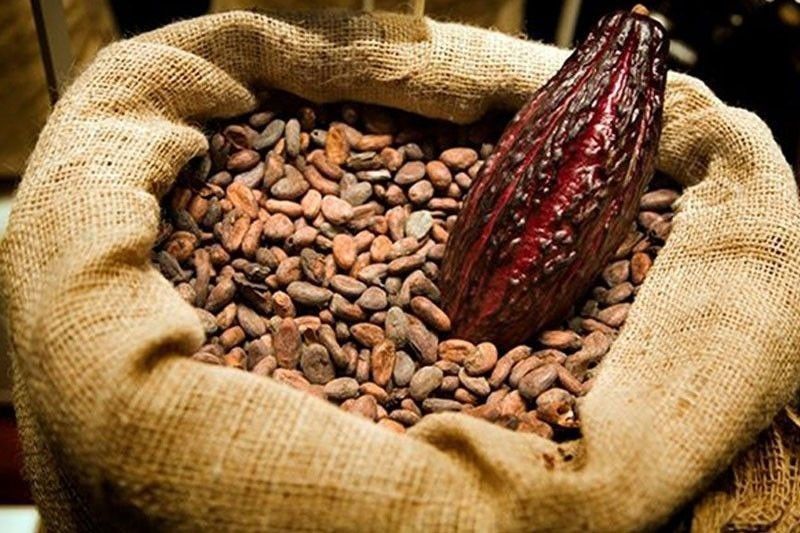
MANILA, Philippines — The country’s cacao industry roadmap is being updated primarily to position Bicol-grown beans as a globally recognized brand, the Department of Agriculture said.
In a statement over the weekend, the DA said the strategy will not only scale up output but also ensure that farmers gain from rising global demand for chocolate and cacao.
“The roadmap is about more than higher yields – it’s about giving farmers better incomes and securing a stronger global footprint for Philippine cacao,” DA Secretary Francisco Tiu Laurel Jr. said.
“At the core is empowering our farmers and inspiring the next generation to see cacao not just as tradition, but as a future-ready enterprise,” he added.
The updated roadmap focuses on increasing production, developing processing facilities and expanding markets while promoting sustainable and ethical sourcing practices.
It also seeks to attract more private sector investment to solidify the country’s position as a global supplier of quality cacao.
The DA said the effort is anchored on President Marcos’ directive to strengthen the government’s high-value crops development program, which supports commodities with strong market and export potential.
The government agency noted that Bicol’s climate and soil make it ideal for premium cacao cultivation.
It recently recognized Alea Chocolates as the region’s key processor, citing growing recognition of Bicol beans in the domestic and global market.
Cacao’s contribution to agriculture has been rising, the DA said, with the crop valued at P1.78 billion last year, up by 49 percent from 2023 and outpacing the broader crops sector’s 19 percent growth.
The DA also pointed to opportunities in the global cocoa market, now worth $14 billion and projected to reach $17 billion by 2030.
It said prices had surged to more than $12,000 per ton last year, nearly four times higher than in 2022, as climate change battered African harvests and new European rules restricted beans from deforested lands.
With these shifts, the DA said, naturally grown and climate-resilient cacao from the Philippines has an opportunity to gain ground.
“Let’s make Bicol a sweet spot on the global cacao map - literally and economically,” Tiu Laurel said.


- Latest
- Trending


