


Remittances improve to $13.7 billion in 5 months
But US tariffs cast pall over economic growth
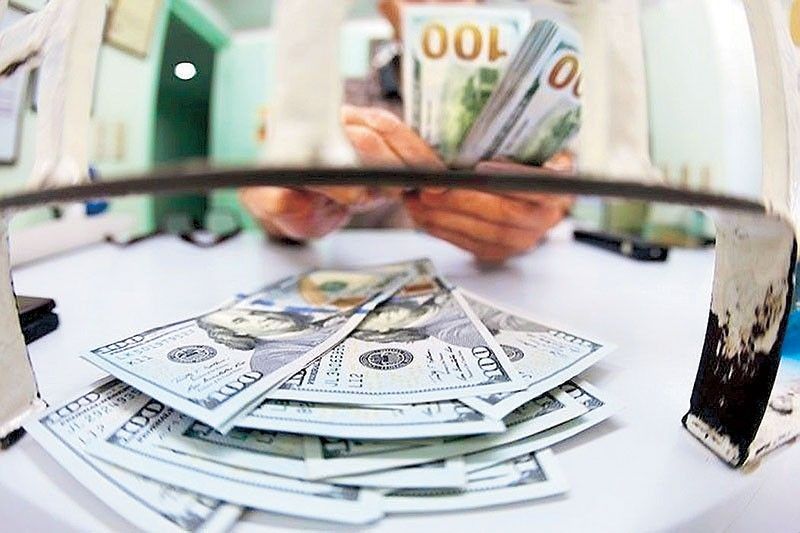
MANILA, Philippines — Cash remittances from overseas Filipino workers (OFWs) grew by three percent year-on-year to $13.77 billion in the first five months of the year, boosted by stronger sea-based deployment and a weaker peso.
However, a looming 20-percent tariff on Philippine exports to the United States is threatening broader economic gains and foreign investment prospects, analysts warned.
In a statement, the Bangko Sentral ng Pilipinas (BSP) said remittances coursed through banks hit $2.66 billion in May, 2.9 percent higher than the $2.58 billion a year ago.
Sea-based Filipinos sent $536 million during the month, growing faster at 3.1 percent year-on-year compared to the 2.8 percent increase from land-based workers, which totaled $2.12 billion.
Personal remittances, which include both formal and informal channels as well as remittances in kind, rose by three percent to $15.34 billion from January to May.
Jonathan Ravelas, senior adviser at Reyes Tacandong & Co., said he is still optimistic that OFWs could sustain remittance growth at three percent by year-end.
“The peso depreciation is boosting foreign exchange gains and the increased adoption of digital wallets and fintech solutions is making sending money more accessible,” Ravelas said.
However, remittance growth could slow down to 2.7 percent this year if the country fails to expand its labor footprint beyond traditional markets.
“Global demand for Filipino labor remains, but we need to pivot to other areas like the European Union and Southeast Asian states,” Ravelas said.
Reinielle Matt Erece, an economist at Oikonomia Advisory & Research Inc., said that May usually posts lower remittances growth due to seasonal factors.
At 2.9 percent, cash remittance growth in May was slower than the four-percent expansion seen in April.
“However, the slow growth must also be monitored especially as tighter immigration laws and the new tax on remittances in the US may all negatively impact remittances,” Erece said.
The sustained growth in remittances comes amid rising external risks. US President Donald Trump has announced a sweeping 20-percent tariff on all Philippine exports to the US effective Aug. 1.
In response to the brewing trade tensions, analysts are urging both government and businesses to act swiftly.
“For businesses, this is a time to consider diversifying export markets, exploring US-based manufacturing partnerships and leveraging Southeast Asian trade networks,” Ravelas said.
“Policymakers should accelerate free trade agreement talks, support affected industries with transition assistance and invest in trade facilitation infrastructure,” Ravelas added.
The broader risk, he warned, is secondary inflation and increased currency volatility that could weigh on consumer sentiment and remittance conversion value at home.


- Latest
- Trending


