What NGCP loses in failed Maharlika deal
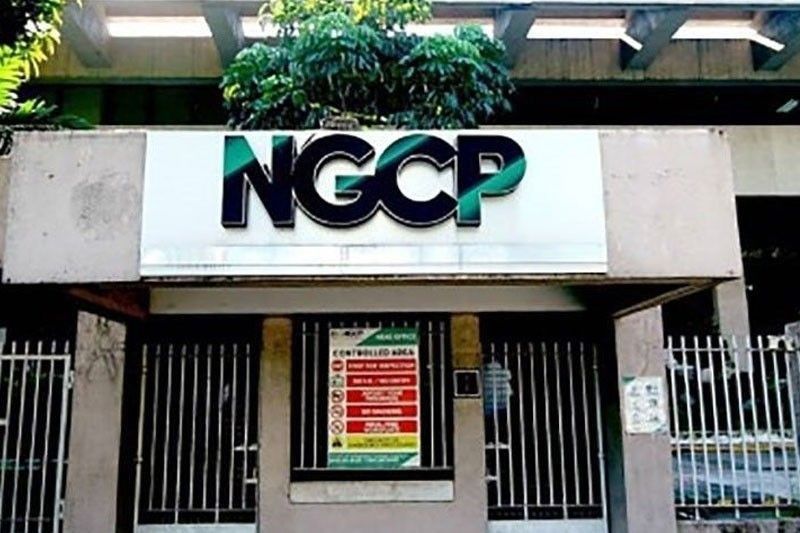
MANILA, Philippines — The collapse of what was billed as the sovereign wealth fund’s maiden investment leaves the National Grid Corp. of the Philippines (NGCP) missing out on strategic opportunities the deal could have unlocked, according to experts.
Synergy Grid and Development Philippines Inc. (SGP), the listed company behind NGCP, has confirmed that Maharlika Investment Corp. (MIC) is no longer pursuing its planned P19.7-billion entry into the country’s grid operator.
The decision ends a transaction that had been in the works for nearly two years, dating back to January 2025, when tycoons Henry Sy Jr. and Robert Coyiuto Jr. agreed to sell a 20-percent stake in SGP to MIC.
Had it pushed through, the multibillion-peso deal would have given MIC two board seats each in SGP and NGCP, giving the government access to the country’s power transmission network.
Experts told The STAR that the scrapped deal represented a missed opportunity for a strategic partnership, particularly for the NGCP.
Financial expert Astro del Castillo said MIC’s investment offered more than just additional funding or government access to the power grid.
“The NGCP would have benefited more from a smoother bureaucracy such as policy coordination and action from a government presence rather than monetary gains,” Del Castillo said.
Such coordination could have been particularly valuable as the NGCP continues to face regulatory delays that have held back critical transmission investments.
“The NGCP would have profited from the deal with lesser headaches from regulatory processes, government coordination issues and right-of-way bottlenecks, among others,” Del Castillo said.
As the country’s sole transmission operator, the NGCP is responsible for operating, maintaining and developing the country’s electrical superhighway.
Market analyst Toby Allan Arce said the MIC-SGP deal could have strengthened NGCP’s financial flexibility and expanded its access to long-term capital.
“MIC’s decision not to proceed represents a missed potential opportunity for strategic investment and collaboration,” Arce said.
He clarified, however, that the collapse of the deal would not necessarily undermine NGCP’s existing operations or derail its investment plans.
“Ultimately, the more important consideration is whether NGCP can secure adequate financing, maintain regulatory support and deliver the infrastructure improvements needed to strengthen the reliability and capacity of the Philippine power grid,” Arce added.
For its part, SGP maintained over the weekend that the latest development would have “no impact” on its capital structure, financial position, business or operations.
“Neither will it have an effect on NGCP’s operations and delivery of services,” the company said.
The STAR sought comment from NGCP and MIC on the collapsed deal, but both declined to comment.
SGP controls 60 percent of the NGCP, while State Grid Corp. of China owns the remaining 40 percent.
To date, the NGCP has poured more than P400 billion into transmission investments, according to the latest company data.









- Latest
- Trending