SRA keen on retaining lower taxes for sugary drinks
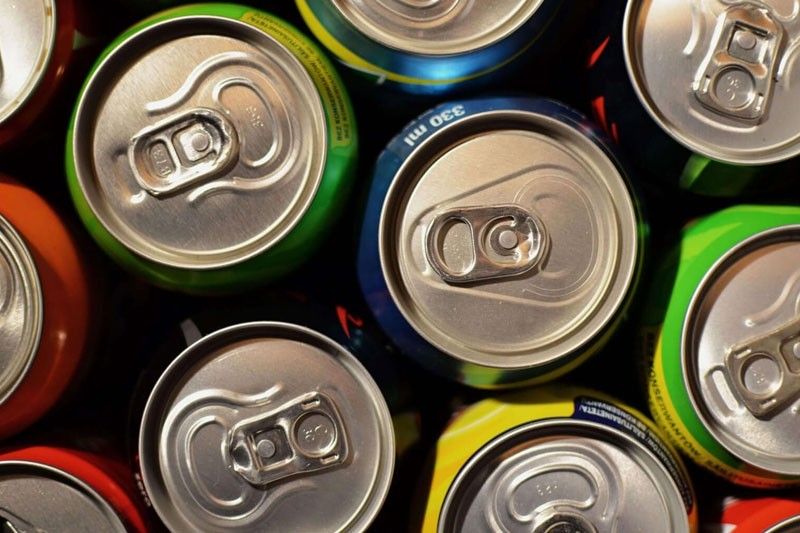
MANILA, Philippines — The Sugar Regulatory Administration (SRA) is pushing to retain lower tax rates for sugary beverages, warning that higher levies could push manufacturers toward artificial sweeteners and hurt the domestic sugar industry.
SRA administrator Pablo Luis Azcona said beverages sweetened with natural sugar should remain at a lower tax tier than those that use artificial sweeteners.
He noted that under the regulator’s proposal, all cane sugar will be kept at Tier 1 and the rest will be transferred to Tier 2.
“The farmers’ suggestion, which is also our stand, is to separate sugar from everything else. So, let’s remove all artificial from the lower tier,” Azcona said.
Under the proposed Promoting Growth, Revenue and Equity toward Socio-Economic Sustainability (ProGRESS) Bill, the Department of Finance wants to hike sugar-sweetened beverages (SSBs) under Tier 1 to P20 per liter from the current P6 per liter.
This includes beverages that use cane sugar or other caloric or non-caloric sweeteners.
For Tier 2, the government will impose an excise tax of P40 per liter, up from P12 per liter, for beverages using high-fructose corn syrup.
“Our prayer is to keep tax rates for Tier 1 under P6 per liter, if the DOF wants to determine an increase, then we are willing to sit down and talk about it,” he added.
He said the government could offset the lower taxes on sugar-sweetened beverages by imposing higher excise taxes on products that use artificial sweeteners.
“We also computed that even if you raise the SSB tax on artificial, it is still cheaper to use because of the intensity of sweetness. The costs are really cheap, but we can compensate for that with higher SSB,” he added.
Local sugar millers have earlier warned that the government’s proposed hike on sweetened beverage taxes could further threaten the local sugar industry, which is already facing weather-related issues and pest infestations.
They argued that any substantial hike in sweetened beverage taxes may push beverage companies to reduce production, transfer the added costs to consumers and reformulate products with less sugar, threatening demand for locally produced sugar.





- Latest
- Trending