BSP among most hawkish central banks – Nomura
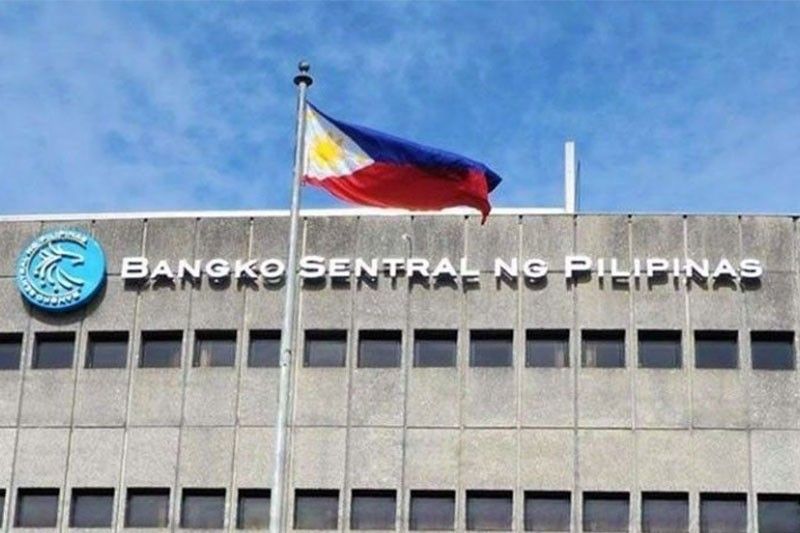
In Southeast Asia
MANILA, Philippines — The Bangko Sentral ng Pilipinas (BSP) is among Southeast Asia’s most hawkish central banks as stubborn inflation keeps policymakers focused on raising borrowing costs despite weakness in the domestic economy, according to Japanese investment bank Nomura.
In a report following discussions with senior monetary officials across the region, Nomura said the BSP remains firmly focused on containing inflation, even as sluggish domestic demand limits the scope for more aggressive monetary tightening.
“Our sense from the discussions was that BSP remains decisively hawkish, as inflation remains well above its two to four percent target and upside risks remain,” Nomura said.
The investment bank maintained its forecast that the BSP would deliver another 25-basis-point interest rate hike on Oct. 22, bringing the benchmark policy rate to 5.25 percent from five percent.
If realized, the move will mark the fourth consecutive rate increase this year, bringing cumulative tightening to 100 basis points since April.
Nomura said the BSP and Bank Negara Malaysia were among the more hawkish monetary authorities in the region, while the Bank of Thailand appeared more inclined to maintain accommodative policy to support economic growth.
It said the BSP likely considers its current monetary stance slightly restrictive following three consecutive rate hikes, although tightening could have been more aggressive without the pronounced weakness in domestic demand.
Headline inflation surged to 7.2 percent in September, while core inflation, which excludes volatile food and energy items to measure underlying price pressures, climbed to 4.7 percent.
Higher energy, fertilizer and food costs contributed to the inflation spike, while the possibility of a strong El Niño threatens to push prices further upward in the coming months.
Nomura said the sharp increase in core inflation could signal stronger second-round effects, wherein initial price shocks spread to other goods and services, potentially requiring additional policy tightening.
“The tone should remain hawkish, in our view, with BSP continuing to pledge vigilance and remain focused on containing these risks and anchoring inflation expectations,” Nomura said.
It also flagged the possibility of additional rate hikes beyond October, particularly if El Niño intensifies price pressures and recovering government spending strengthens domestic demand.
On economic growth, Nomura said the BSP likely considers the economy to be operating below its potential, largely reflecting a sharp contraction in government spending following the flood control corruption scandal.
Nevertheless, the central bank appears reasonably confident that public spending will recover beginning in the fourth quarter, supported by signs of improving government disbursements.
Meanwhile, Nomura said the BSP continues to favor a market-determined exchange rate, intervening mainly to smooth excessive peso volatility rather than prevent depreciation.
The investment bank believes the central bank largely attributes the peso’s weakness this year to the strengthening US dollar and does not use interest rate adjustments primarily to defend the local currency.
Across Southeast Asia, Nomura expects the central banks of Indonesia and Malaysia to join the Philippines in raising interest rates by 25 basis points at their upcoming meetings.
Thailand, however, is expected to maintain its policy rate at one percent through 2027 as weak domestic demand continues to warrant monetary support.






- Latest
- Trending