Philippines fiber linkage among lowest in Asia-Pacific
MANILA, Philippines — The Philippines has one of the lowest penetration rates for fiber-to-the-home (FTTH) services in Asia-Pacific, as Filipinos prefer mobile data due to its cheaper pricing.
In a study, connectivity analyst Opensignal said countries with a gross national income (GNI) per capita below $20,000, including the Philippines, have some of the lowest FTTH subscriptions in the region.
Opensignal principal analyst for Asia and the Pacific Robert Wyrzykowski said FTTH coverage in the Philippines reached 29 percent in 2025, joining the likes of Indonesia, India, Sri Lanka and Pakistan.
Wyrzykowski said these countries have some of the lowest income levels in Asia-Pacific. On the other hand, South Korea, Singapore and Australia posted the highest FTTH penetration, as their consumers have a GNI per capita of above $20,000.
Wyrzykowski said GNI per capita measures how much residents earn and can spend. As such, he said this is a better gauge to use when placing context for internet penetration.
“Populations with higher disposable income are simply more likely to pay for services like a fast fixed-line internet that may not feel essential at first,” Wyrzykowski said.
The International Telecommunication Union has recommended that internet prices be reduced to just two percent of GNI per capita to make connectivity affordable.
However, Wyrzykowski said the Philippines and Pakistan have broadband rates that exceed four percent of their GNI per capita, making it challenging for consumers to afford them.
In the Philippines, the cost is particularly high because telcos spend more to install fiber lines in far-flung areas. Internet service providers also lament the lack of policy support for infrastructure expansion and varying permitting requirements per local government.
Wyrzykowski said this is why Filipinos resort to budget products and free WiFi for connectivity.
PLDT Inc., Converge ICT Solutions Inc. and Globe Telecom Inc. developed low-cost services to cater to consumers who want their broadband services paid daily.
The Department of Information and Communications Technology also installs free WiFi sites in public spaces, including government schools, to expand access.
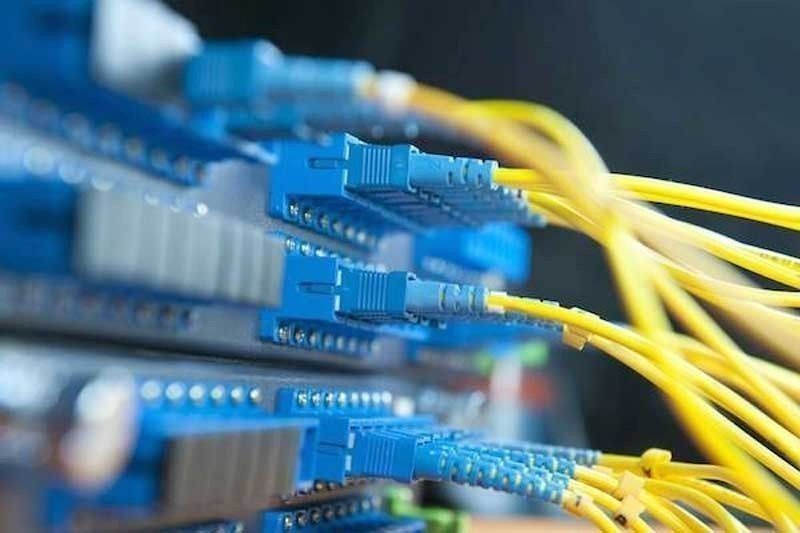
FTTH refers to broadband connection wherein fiber lines are installed straight to the residence of the subscriber to ensure high-speed service.








- Latest
- Trending