Two agencies, one road map: A game-changing moment for universal health care

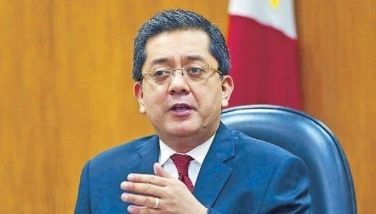
The recent appointment of Dr. Edwin Mercado as Secretary of Health and Dr. Beverly Lorraine Ho as President and Chief Executive Officer of PhilHealth marks a pivotal moment for the Philippine health sector. Seven years after the passage of the Universal Health Care (UHC) Act, the country now has a leadership tandem whose backgrounds, orientations, and institutional mandates can be closely aligned. Between service delivery and health financing, and between policy direction and implementation, this creates a rare opportunity to move UHC closer to what the law envisioned in 2019.
Survey data consistently show that Filipinos’ top personal concern is staying healthy and avoiding illness—a finding that has remained remarkably consistent across administrations. This enduring concern reflects a public deeply aware of the fragility of the health system and the financial risks of getting sick. Health reform is not an abstract policy exercise. It responds directly to the lived realities of families who fear that one episode of illness could lead to financial catastrophe. The appointments of Dr. Mercado and Dr. Ho therefore come at a time when public expectations are clear and urgent: Filipinos want a health system that protects them, not one that burdens them.
As co-convenor of UHC Watch, I have witnessed how fragmented leadership, inconsistent priorities, and institutional silos have slowed reform. The UHC Act promised a health system that is preventive, primary care-led, financially protective, and equitable. Yet progress remains uneven, and the sector has long awaited a coherent roadmap— a shared agenda that binds the DOH and PhilHealth into one reform engine. With the new leadership at the helm, that roadmap can move from merely aspirations to concerted actions.
Their shared agenda should rest on five strategic pillars, each representing an important structural shift for Philippine health care.
1. Healthy schools, workplaces, and communities. Health is shaped long before someone ever steps inside a clinic or hospital. DOH and PhilHealth must strengthen interventions that prevent illness and reduce long-term pressure on the health system.
Schools should become hubs for nutrition, mental health, immunization, and adolescent care. Workplaces should promote chronic disease prevention and wellness. Communities should be empowered through barangay-level health promotion, environmental health, and early screening. PhilHealth’s Yaman ng Kalusugan Program (YAKAP) and Guaranteed and Accessible Medications for Outpatient Treatment (GAMOT) should be linked more closely to these everyday settings.
This shifts UHC from being facility-centered to being lived in daily environments, where prevention becomes a shared societal responsibility.
2. A functional primary care system. Primary care is the backbone of UHC. Without it, hospitals remain congested, illnesses are detected late, and families continue to bear high out-of-pocket costs.
DOH must accelerate the certification and integration of primary care networks and ensure they have the workforce, diagnostics, medicines, and digital systems needed for service delivery. PhilHealth must strengthen the YAKAP and GAMOT Programs, expand accredited providers, and ensure payment mechanisms reflect the real cost of delivering quality care. Together, both agencies must support clear referral pathways so patients move seamlessly from primary care to specialty and hospital services.
This is the heart of UHC, and the area where DOH and PhilHealth must act with urgency.
3. High-quality and efficient hospitals. Hospitals remain essential for acute and specialized care, but quality and efficiency still vary widely across regions.
DOH must continue modernizing public health infrastructure, upgrading its hospitals, supporting LGU facilities, and enforcing licensing and regulatory standards. PhilHealth must align accreditation with quality metrics, increase case rates to reflect real costs, and reduce co-payments and balance billing. Claims processing must become faster, more transparent and more resistant to fraud.
The goal is straightforward: hospitals must deliver timely, high-quality care without pushing families into financial hardship.
4. Information technology and digital health. Digital transformation is essential to a modern health system. DOH and PhilHealth must build a connected, interoperable, and data-driven ecosystem.
A National Health Data Repository, interoperable electronic medical records, automated claims processing, and a unified patient registry are critical. These systems will reduce administrative burdens, improve transparency, support continuity of care, and give policymakers reliable information for decision-making.
This is a game changer that can make UHC more efficient, accountable, and future-ready.
5. Strong institutions and a resilient health sector. UHC requires institutions that are credible, accountable, and capable of long-term governance.
DOH and PhilHealth must strengthen anti-fraud systems, procurement transparency, and public reporting. They must invest in the health workforce, including doctors, nurses, nutritionist-dietitians, midwives, and community health workers. They must deepen collaboration with LGUs, private hospitals, professional societies, civil society, and patient groups. And they must align the 2027 National Expenditure Program with UHC priorities, ensuring that the budget reflects the public’s most urgent concern: staying healthy and avoiding illness.
This pillar ensures that reforms endure beyond political cycles.
The Universal Health Care Act of 2019, together with other landmark health laws, laid the foundation for a historic transformation of the Philippine health system. But laws do not implement themselves. They require leadership that is aligned, strategic, and unwavering leadership capable of turning policy into performance and aspiration into action.
UHC Watch welcomes this new leadership tandem with optimism and resolve. The task before them is immense, but the opportunity is extraordinary. If Dr. Mercado and Dr. Ho fully embrace this shared roadmap, they can deliver some of the most consequential health reforms since the passage of the UHC Act, reforms that protect families, strengthen institutions, and secure a healthier future for generations of Filipinos.
The country is ready. The public is waiting. With the right choices and the courage to see them through, this leadership tandem can transform the health system in ways that will be felt not only today, but for decades to come.
---
Alvin Manalansan is a health and nutrition fellow at the Stratbase Institute and co-convenor of UHC Watch and CitizenWatch Philippines.


- Latest