Digital payments now make up 64.7% of Philippines retail transactions
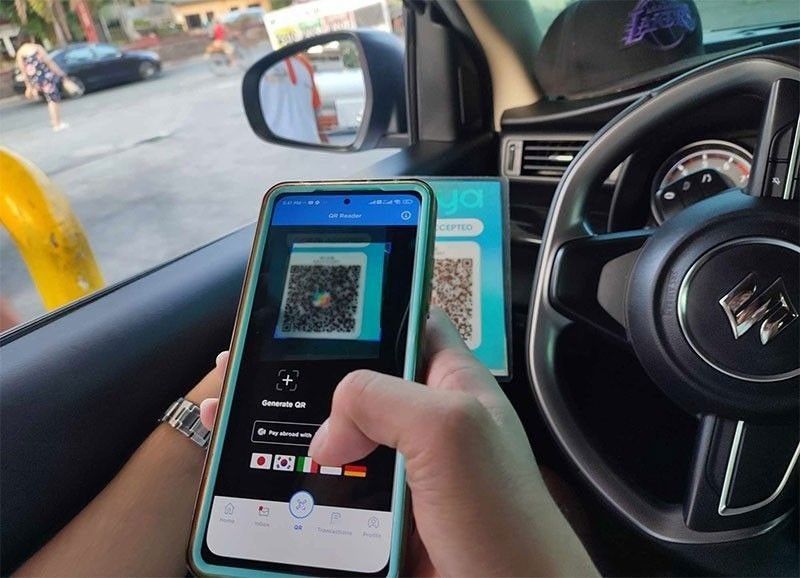
MANILA, Philippines — Digital payments accounted for 64.7 percent of total Philippine retail transactions by volume in 2025, up from 57.4 percent a year earlier as the shift toward electronic payment channels continued to gain ground, according to the Bangko Sentral ng Pilipinas.
BSP Governor Eli Remolona Jr. said the central bank has worked closely with the industry and government partners to expand digital payments to benefit more Filipinos and the economy as a whole.
“A lot of the growth is due to our insistence on interoperability, ensuring that a growing number of businesses and service providers are on one system,” Remolona said. “That brings in more users, which makes the network more valuable for everyone in it, including consumers, businesses, banks, e-wallets and other platforms.”
During the Development Budget Coordination Committee’s budget deliberations at the House of Representatives, BSP Deputy Governor Zeno Abenoja said the share of digital payments last year surpassed the central bank’s target of 50 to 54 percent.
The BSP highlighted the steady rise in digital payments from just 20.1 percent of retail transactions in 2020.
The share climbed to 30.3 percent in 2021, 42.1 percent in 2022 and 52.8 percent in 2023 before reaching 57.4 percent in 2024.
“This highlights the continued momentum on the adoption of electronic payments channels in the country,” Abenoja said.
BSP data showed that the continued growth of digital payments in the country was driven by a 69.4-percent increase in digital payment accounts and a 36.3-percent rise in merchant locations or business outlets that accept digital payments.
Likewise, QR Ph transactions exceeded debit and credit card transactions for the first time in 2025, reflecting a growing preference for interoperable, account-based payments. A total of 2.47 billion QR Ph transactions worth P1.16 trillion were processed during the year.
Abenoja said wider adoption also creates network effects, as more consumers, merchants and financial institutions become part of the digital payments ecosystem.
“The growing adoption of digital payments also generates what are called network externalities. This means that the value and convenience of our domestic electronic payment channels increase as more consumers, more merchants and more financial institutions participate in this financial ecosystem,” Abenoja said.
Access to basic deposit accounts also continued to expand, with the number reaching 27.9 million as of March from 27.6 million at the end of 2025 and 25.8 million in 2024.
Abenoja said 177 banks were offering basic deposit accounts as of March as part of the central bank’s efforts to expand financial inclusion.
The BSP also welcomed moves by several banks to reduce or waive interbank digital transaction fees, saying lower charges could make electronic fund transfers more affordable and accessible to households and small businesses.
The central bank has been pushing for wider use of electronic payments as part of efforts to deepen financial inclusion and encourage more Filipinos to participate in the formal financial system.
Meanwhile, the BSP continues to see risks to the inflation outlook despite expecting price pressures to gradually ease over the medium term.
Abenoja said the central bank’s latest projections showed inflation averaging 6.4 percent this year before slowing to 4.5 percent in 2027 and 3.1 percent in 2028. The BSP’s inflation target remains at three percent.
According to Abenoja, easing global oil prices could help bring inflation down over time, while the cumulative 50-basis-point increase in the BSP’s policy rate this year is expected to help contain broader price pressures over the next two years.
However, he flagged global oil prices and the effects of El Niño among the risks to the outlook, with the impact of the weather phenomenon expected to be felt more strongly from the fourth quarter through the first half of 2027.
Inflation eased to 6.2 percent in July after hitting a recent peak of 7.2 percent in April, but remained well above the BSP’s two to four percent target range.
Remolona said the Monetary Board would meet next week to decide on its next policy action.





- Latest
- Trending