


DA to review rules on biofuel mix
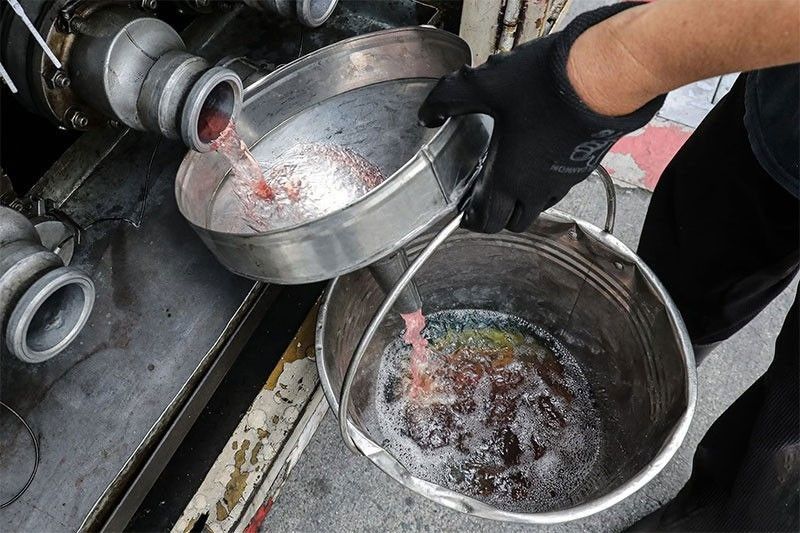
Corn in bioethanol?
MANILA, Philippines — The Department of Agriculture is reviewing the country’s biofuel policies to include corn in the production of bioethanol as the country faces a fuel crisis.
DA Assistant Secretary U-Nichols Manalo said the ongoing oil crisis could be a primary driver behind the policy review.
“We are holding this consultation to gather your inputs and address your anxieties because, then again, the elephant in the room is the food-versus-fuel debate,” Manalo said in a statement, following a meeting with the National Sectoral Committees on Corn and on Livestock and Poultry.
The proposed amendment lifts government restrictions on corn and officially adds the crop to sugarcane and molasses as approved bioethanol feedstock.
The government mandates the primary utilization of molasses in the production of bioethanol.
The proposed amendment will still need the final approval of the National Biofuels Board.
Stakeholders, on the other hand, called for a balance on the feed and fuel uses for local corn as most of the local production could not meet demand.
Livestock and poultry stakeholders were quoted as saying that the current production of corn can only meet 62.7 percent of local demand, with the crop comprising half of all animal feed formulation.
Local broiler raisers also warned that diverting local corn to fuel production could force producers into greater dependence on imported corn.
In the same meeting, the Department of Agrarian Reform and the National Commission on Indigenous Peoples proposed to utilize idle landholdings and ancestral domains to expand corn production.
Stakeholders also called for the government to update studies on distillers dried grains with solubles, a nutrient-dense byproduct of corn ethanol production, amid proposal from feed millers to include it in feed mixes to offset the lack of corn supply.
They also urged the need to strengthen direct market linkages between farmers and end-users.
The Department of Energy earlier said that the transition to higher bioethanol blends could reduce pump prices by as much as P5 per liter.


- Latest
- Trending


