Inflation seen at highest level in over three years
For September
MANILA, Philippines — Inflation may have accelerated to as high as 7.4 percent in September, potentially the fastest pace in three-and-a-half years, as bad weather lifted food prices while costlier fuel and a weaker peso added to price pressures.
The Bangko Sentral ng Pilipinas (BSP) said headline inflation, or the overall increase in prices of goods and services commonly purchased by households, likely settled between 6.4 and 7.4 percent in September. This would be faster than the 6.1-percent rate in August.
Should inflation reach the upper end of the BSP’s forecast range, it would be the highest since the 7.6 percent recorded in March 2023, central bank data showed.
Even the lower end of the range would mark an acceleration from August and bring inflation further above the BSP’s two to four percent target. It would mark the seventh consecutive month that inflation exceeded the target.
The Philippine Statistics Authority, which compiles the country’s official inflation data, will release the September figures on Oct. 6.
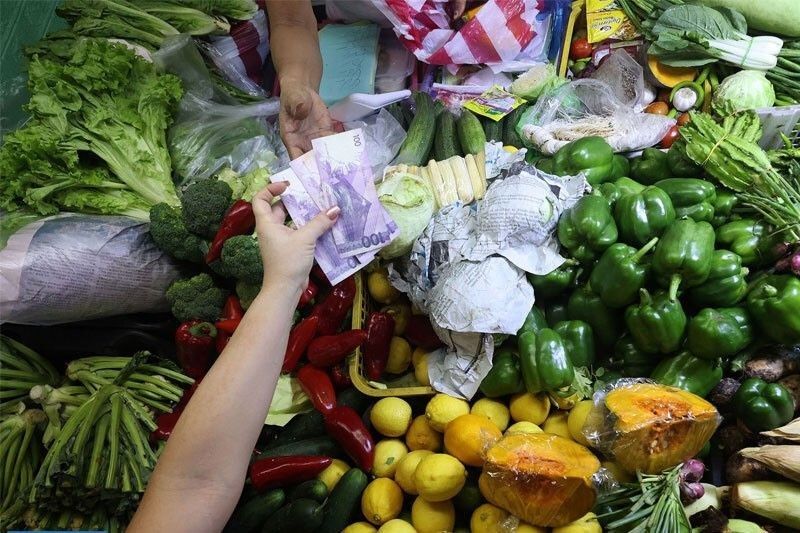
“Upward price pressures for the month are likely to be driven by weather-related increases in the prices of vegetables, fish, rice and fruits,” the BSP said.
The central bank said higher domestic petroleum prices and the peso’s depreciation could also have contributed to faster inflation. A weaker peso raises the local cost of imported fuel, food and raw materials, which may eventually be passed on to consumers.
These pressures may have been partly offset by lower meat prices and electricity rates.
“The BSP will remain vigilant and guided by incoming data, particularly on inflation and growth prospects. It will continue to assess the impact of latest developments in the Middle East and recent weather disturbances on the country’s inflation and economic outlook,” it added.
RCBC chief economist Michael Ricafort expects inflation to settle at 6.7 percent in September, within the BSP’s forecast range.
Ricafort said the acceleration likely reflected weather-related food supply constraints, higher energy and fertilizer costs, the peso’s weakness and unfavorable base effects.
Inflation was only 1.7 percent in September last year, providing a low comparison base that could mechanically lift the annual rate this year.
Ricafort also warned that a strong El Niño dry spell could further reduce agricultural production in the Philippines and elsewhere in Asia, exerting additional pressure on rice and other food prices through early 2027.
“There is a risk that inflation could pick up further in the coming months in view of second-round inflation effects,” Ricafort said.
Second-round effects occur when an initial increase in food, fuel or other costs spreads to wages and the prices of a wider range of goods and services.
Ricafort said the P60 increase in Metro Manila’s daily minimum wage and the continued pass-through of higher energy and import costs could add to these pressures.
He said further interest rate increases remain possible if inflation stays well above target. The BSP has raised its benchmark policy rate by a total of 75 basis points to five percent since April.
The policy rate influences borrowing costs across the economy. Raising it can help prevent elevated inflation from becoming entrenched, manage inflation expectations and support the peso, although it cannot directly resolve supply disruptions caused by weather or geopolitical conflicts.





- Latest
- Trending