DA eyes use of millet to lower livestock costs
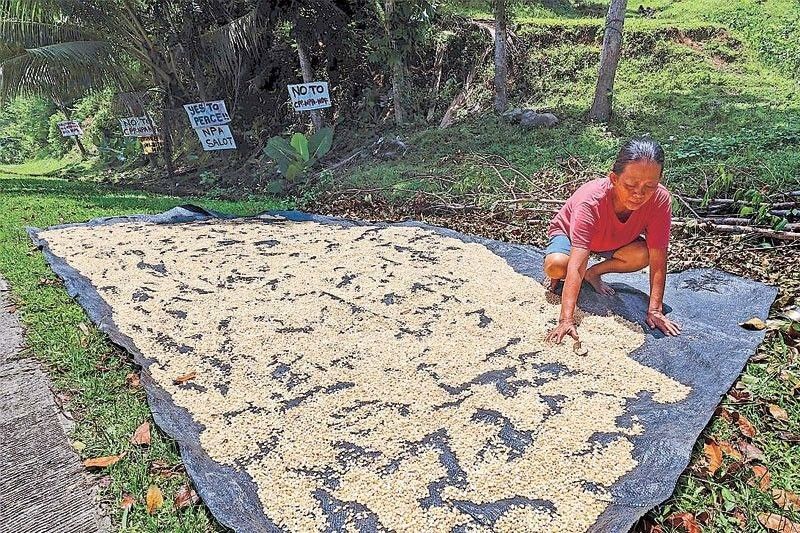
MANILA, Philippines — The Department of Agriculture (DA) is looking to utilize millet as a corn substitute in animal feeds to help cut livestock production costs.
Agriculture Secretary Francisco Tiu Laurel Jr. said millet grain could be used as an alternative to corn for animal feeds to lower the costs of raising livestock and reduce the industry’s exposure to weather-related disruptions in feed supplies.
This comes following his visit to India, where he examined millet and other feed ingredients, noting the South Asian country’s experience with drought-tolerant crops could provide lessons for local livestock producers.
Millet is a small-seeded cereal grass cultivated for human consumption and animal feed. The crop can grow under relatively dry conditions and requires less water than corn, making it a viable substitute when drought limits conventional feed crops.
The agency said any disruptions in corn production could drive input costs higher.
“Developing other feed sources could give farmers and feed manufacturers more flexibility, although commercial adoption would still depend on yield, nutritional value, processing requirements and cost,” the DA said.
The country’s corn production is projected to decline by 14.4 percent to 2.08 million metric tons (MT) in the third quarter from 2.43 million MT in the same period last year, data from the Philippine Statistics Authority showed.
To further improve the livestock sector, the Philippine Carabao Center (PCC) has opened a P237.9-million facility dedicated to sex-sorting buffalo semen. This would allow breeders to target female offspring for dairy production or males for meat and farm work.
Tiu Laurel said boosting local feed production and livestock processing is vital to strengthen the industry.
“When communities can grow, process and mill their own feed, we lower costs, raise productivity and make our food system more resilient,” he added.
The PCC aims to produce about 170,000 sex-sorted samples per year, increasing female offspring and expanding the country’s dairy herd.
According to the DA, local production of sex-sorted semen could lower procurement costs, reduce exposure to livestock disease risks associated with foreign sourcing and provide breeding materials that are adapted to the Philippine climate.





- Latest
- Trending