August inflation seen exceeding BSP target
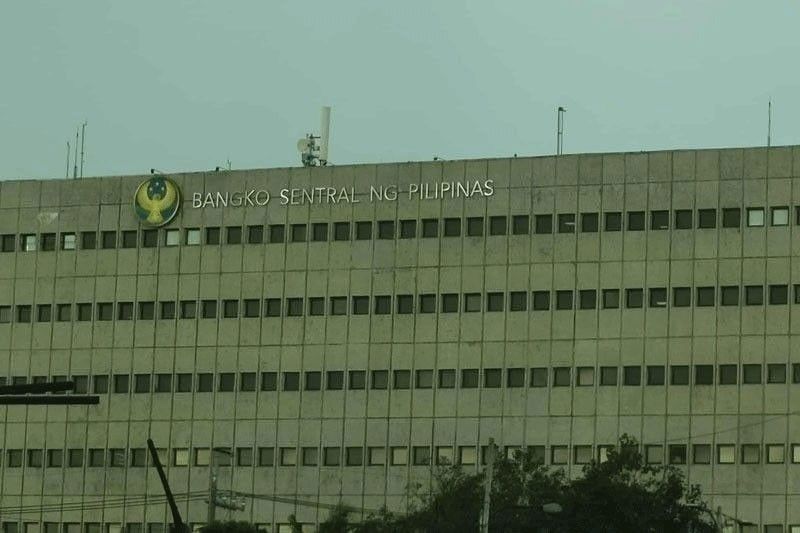
MANILA, Philippines — Headline inflation, or the overall increase in consumer prices, likely remained well above the central bank’s target in August as unfavorable weather pushed up food prices and domestic fuel costs stayed elevated, keeping further interest rate hikes on the table.
The Bangko Sentral ng Pilipinas (BSP) said inflation likely settled between 5.5 and 6.5 percent this month. The entire range exceeds its two to four percent target and brackets the 6.2-percent rate recorded in July.
“Upward price pressures for the month are likely to be driven by higher rice, vegetable, fruit and fish prices, partly due to unfavorable weather conditions and elevated domestic fuel costs,” the BSP said.
These pressures may have been partly offset by lower meat prices and reduced electricity rates. The central bank also cited peso appreciation as a mitigating factor, although it did not specify the comparison period used.
The local currency traded mostly at the 61-per-dollar level in August before weakening past 62 yesterday.
“The BSP will remain vigilant and guided by incoming data, particularly on inflation and growth prospects. It will continue to assess the impact of latest developments in the Middle East and recent weather disturbances on the country’s inflation and economic outlook,” it added.
The latest projection came a day after the Monetary Board raised the benchmark interest rate by 25 basis points to five percent. The policy rate guides borrowing costs across the economy and is raised to curb demand and keep price increases from becoming entrenched.
Alongside the rate increase, the BSP lowered its inflation forecast for 2026 to 6.1 percent, but sharply raised its 2027 projection to 5.4 percent due to the possible impact of a severe El Niño dry spell and higher-than-expected wage adjustments.
In a note, Citi said the central bank’s projections now indicate that inflation may return to the two to four percent target only in the fourth quarter of 2027.
The bank pushed back its next projected 25-basis-point increase to December from October, which would bring the policy rate to 5.25 percent.
Citi expects the annual inflation rate in August to be relatively benign and unlikely to trigger another rate hike in October. However, it sees a greater chance of upside surprises emerging in the succeeding months as the impact of El Niño on food prices becomes clearer.
Such surprises could emerge as economic growth begins to recover, prompting the BSP to raise the rate in December to help anchor inflation expectations, or households’ and businesses’ views on how quickly prices will rise in the future.
Citi said an earlier increase in October remains possible if the August and September figures significantly exceed expectations due to El Niño, rebounding diesel prices or renewed peso weakness. Conversely, the BSP could forgo another increase if the impact of El Niño on food prices through November proves substantially milder than anticipated.
HSBC senior economist for Southeast Asia Aris Dacanay expects a more aggressive path, with consecutive rate increases in October and December that would lift the policy rate to 5.50 percent.
“Our baseline case is for the BSP to continue tugging the monetary reins in October and December, bringing the policy rate to 5.50 percent,” Dacanay said.
Dacanay described the BSP’s latest messaging as more hawkish than expected despite weak economic growth. He cited the central bank’s concern over underlying price pressures, including core inflation, which excludes selected volatile food and energy items to provide a clearer view of persistent price movements.
HSBC also pointed to inflation expectations that remain above the BSP’s target, the peso’s recent decline to a record low and the drop in the country’s foreign exchange reserves relative to its import needs.
Dacanay said the financial system could still absorb additional rate increases as asset quality remains stable, financial risks are manageable and credit continues to expand. A wider gap between Philippine and US interest rates after accounting for inflation could also support the peso and limit imported inflation, or price increases caused by a weaker currency.




- Latest
- Trending