

Council urged to shelve proposed revenue code
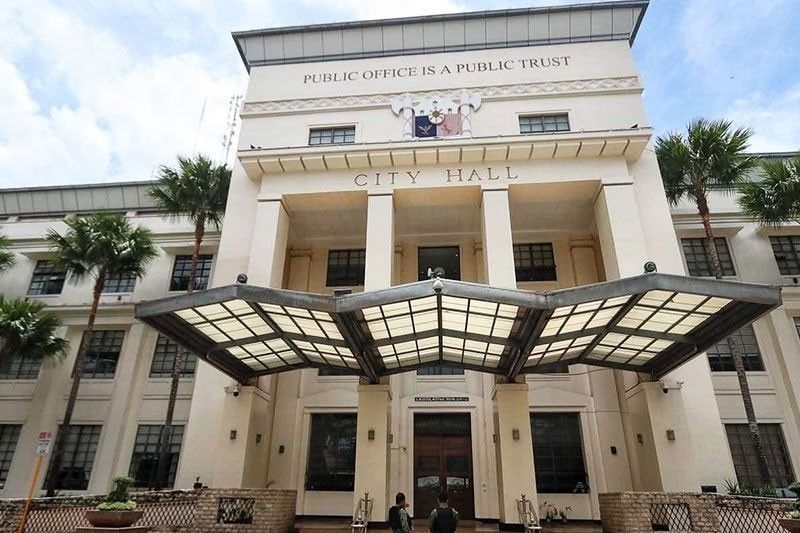
CEBU, Philippines — The Cebu Consumer Rights Advocates (CCRA) has urged the Cebu City Council to shelve the proposed 2026 Local Revenue Code, warning that the proposed tax and fee increases would further burden households, small businesses, and major employers.
In a statement, CCRA Convenor Nathaniel Chua said the proposed revisions came at a time when residents and businesses were already grappling with inflation, sluggish economic growth, rising fuel and transportation costs, and job losses across key sectors.
“This is the time for City Hall to support residents, small businesses, and the local economy, not saddle them with an unprecedented tax burden,” Chua said.
The group expressed concern over the 379-page draft revenue code, saying its provisions could strain household budgets, hurt micro-enterprises, and prompt companies to cut jobs or transfer operations to neighboring cities such as Mandaue and Talisay.
Among the proposed changes is the imposition of an annual occupational tax on non-professional employees, including grocery clerks, salon workers, factory employees, and restaurant service crew members.
The proposal also seeks to increase annual garbage fees for residential houses, apartments, and condominiums to P5,000 from the current P300.
Market ambulant vendors, meanwhile, could face an annual waste fee of up to P500, in addition to the proposed increase in their arkabala fees to as much as P2,000 yearly.
CCRA also raised concerns over the proposed increases in local business taxes for wholesalers, distributors, and manufacturers, which it said could disproportionately affect high-volume but low-margin enterprises.
Under the proposal, wholesalers and distributors with annual gross sales of P50 million could face a 339-percent increase in local business taxes, while manufacturers with annual gross sales of P500 million could face increases of up to 225 percent.
Chua said these companies are among the city's biggest employers and should instead be encouraged to continue investing and providing jobs for Cebuanos.
He warned that the higher tax burden could divert funds intended for business expansion, wage increases, and additional hiring toward local government collections.
He also cautioned that companies could relocate their distribution hubs and other operations to neighboring local government units with more favorable tax structures.
Micro-businesses and informal-sector workers would likewise be affected, according to CCRA.
The group cited the proposed increase in annual garbage fees for small neighborhood businesses, including carinderias and sari-sari stores, from P365 to as much as P10,000.
It also flagged the proposed increases in registration fees for tricycles and motorcycles used for habal-habal operations.
“Instead of balancing revenue projections on the backs of minimum-wage earners, micro-sellers, and local employers, City Hall must support our residents and small and medium businesses,” CCRA said.
The group urged the City Council to consider phasing in or delaying the proposed rate adjustments, exempting micro-enterprises and businesses registered under the Barangay Micro Business Enterprises (BMBE) program, and removing what it described as questionable occupational taxes on non-professional workers.
It also called for garbage fees to be based on verified studies of actual waste collection and disposal costs.
CCRA stressed that Cebu City's priority should be protecting the local economy and preserving jobs rather than imposing what it described as aggressive tax increases.
Chua said Cebu City built its reputation as the Queen City of the South through entrepreneurship and enterprise, which he said should be protected rather than discouraged by the proposed revenue measures. — (FREEMAN)







- Latest