


Alternative data could open credit doors for millions of Filipinos

MANILA, Philippines — For two generations of Filipinos, the formal banking system has been a closed door. That may be about to change.
May Miranda is 48. She has spent the last 20 years building a small business empire on a single corner: a sari-sari store, a barbecue stall and a videoke rental. She has paid suppliers, raised three children and put two of them through school on what her businesses bring in. She has never once walked into a bank to apply for a loan.
Farah Arsitio is 26. She works as an Administrative Aide I at a public school in Rizal under the Special Education Fund. In her one year and eight months on the job, she has never missed an internet bill, has saved consistently from a government salary she admits is barely enough, and has built emergency funds on her own.
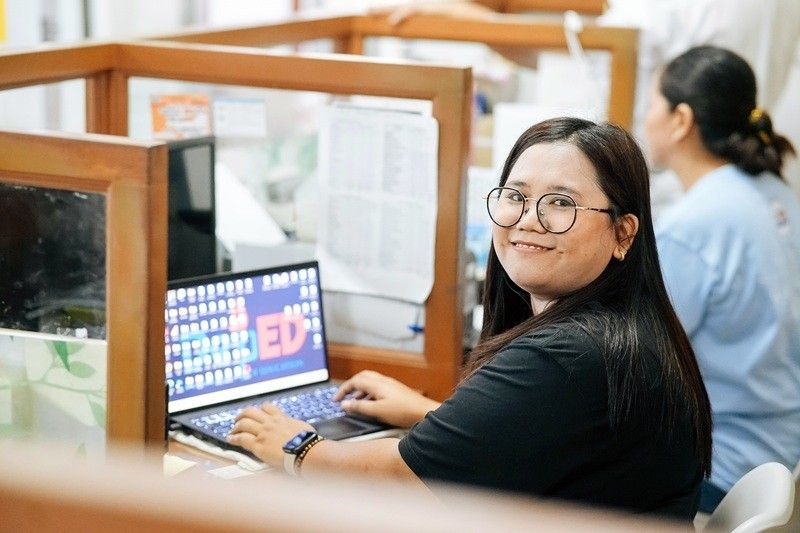
This is partly because she lives with a heart condition that requires medication. She also has never once walked into a bank to apply for a loan.
Twenty-two years separate them. The reason they both stay away from formal credit is almost similar.
"Hindi ko na-try, nakakatakot kasi sa banko," May said. “Hindi ko din alam kung mabibigyan ba ko ng loan doon.”
"Never po kasi pumasok sa isip ko na mangutang o manghiram sa ibang tao," Farah said. "Yun po ang rule no. 1 ko sa buhay.”
For different reasons: May out of caution, Farah out of a deeply personal aversion to borrowing from anyone in her life, both women have built their financial lives entirely outside the formal banking system.

When May needed capital, she turned to a neighborhood cooperative, where members vouch for one another and treasurers handle the loans by hand.
When Farah faced an emergency, she had drawn from her own savings, and asked her parents for help. She herself is supporting her family by paying for their internet, sending her grandmother in the province an allowance, and paying for groceries.
Neither of them has any formal credit profile to show for any of this. And under the current system, none of what they have done counts as evidence of creditworthiness.
Recently, a bill was filed in Congress aiming to democratize access to credit by leveraging alternative transaction data.
Under the Open Finance and Consumer Data Empowerment Bill, Filipinos would have the legal right to authorize the transfer of their own financial and transactional data to accredited lenders for credit evaluation. This covers bill payments, e-wallet history, subscription activity, rewards card usage, among others.
In practical terms, it means that Farah, who has been paying her internet bill on time every month for years, or May who has been running a small business for two decades, would finally have a legal mechanism to bring that record to a lender and the lender would be legally required to consider it.
For May, the idea is unfamiliar but not unwelcome. She admits she only recently started using e-wallets, and still hesitates to tap the buttons herself. Her daughter handles most of her digital transactions.
But when asked whether she would consider presenting her transaction history to a lender in exchange for a larger loan at a lower interest rate, she answered in the affirmative.
"Kung mataas ang loan pero mas mababa ang interest, willing ako na ipakita ang transaction history ko sa mga lenders. Bakit hindi, diba? Kung mas maganda naman yung makukuha kong interest,” she said.
What she would do with the credit is something she has thought about for years. Grow the business. Stock the store. Send her youngest to college. Maybe even expand the barbecue stall into something bigger.
“Saan ko gagamitin? Dapat talaga ilalagay sa business kasi hindi ka makakabayad kapag hindi mo mapapalago," she said. "Dapat papalaguin yung pera.”

For Farah, the question lands differently. She has plans of her own: a house in Morong she is paying off in annual installments, the dream of renovating it slowly, and the hope of one day starting a food business that draws on her hospitality and restaurant management degree.
What strikes about both women is not that they need to be convinced of the value of credit. They already understand it. What has held them back is not financial illiteracy or irresponsibility. It is quite the opposite. It is the formal lending system's inability to see their full financial history, through the transaction data they have built.
For May, who has built two decades of business activity without ever appearing on a credit bureau's radar, and for Farah, who is starting her financial life with the same wall in front of her, the bill represents something simple. A chance to be seen. A chance to have the years of quiet discipline count for something.
"Mas maganda kung matututunan ko at maexperience ko," May said.
Disclaimer: This press release is not covered by Philstar.com's editorial guidelines.





- Latest


