LGUs take center stage in push for universal healthcare

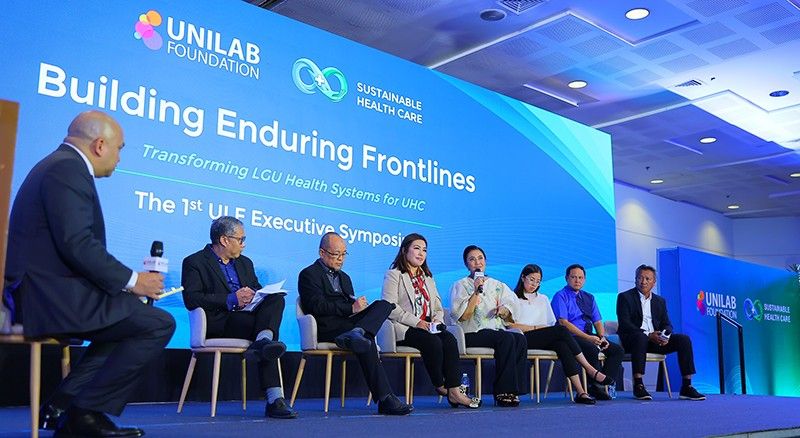
MANILA, Philippines — Making universal health care work in barangays, cities, and provinces still requires reliable funding, sound health data, and effective systems that can keep services running at the local level even if the national policy is already in place.
This was the central message of the Unilab Foundation’s first Executive Symposium, which brought together national and local leaders on September 28 to discuss how to strengthen community health care.
Held at the Bayanihan Center in Pasig City, the symposium carried the theme “Building Enduring Frontlines: Transforming LGU Health Systems.” The foundation organized it through its Sustainable Health Care program, which implements public-private universal health care (UHC) initiatives at the grassroots level.

Unilab Foundation Executive Director Atty. Jose Maria A. Ochave welcomed about 200 participants from government, health institutions, academe, civil society, and development organizations. Health Secretary Dr. Edwin M. Mercado and Budget and Management Secretary Kim Robert C. De Leon presented national policy perspectives, while Finance Secretary Frederick D. Go delivered a video message.
De Leon underscored the need to pair health funding with better financial and management systems so that people can access services in their barangays, municipalities, cities, and provinces.
Local governments’ experiences took center stage in the morning sessions. Naga City Mayor Maria Leonor “Leni” G. Robredo and Dr. Janine Patricia G. Robredo of Ariadne Labs discussed the city’s approach to managing primary health care data.
Iloilo Governor Arthur R. Defensor Jr., Cebu Governor Pamela S. Baricuatro, Negros Occidental Governor Eugenio V. Lacson, and BARMM Deputy Health Minister Dr. Zul Qarneyn M. Abas shared their experiences implementing UHC. They joined a panel discussion with Batanes Governor Ronald P. Aguto Jr. and Institute for Autonomy and Governance Executive Director Atty. Benedicto R. Bacani.


The afternoon sessions examined how health investments and financing affect local services. Senator Risa Hontiveros, chairperson of the Senate Committee on Health and Demography, and Senate President Sherwin Gatchalian delivered video messages. Dr. Yu Lee Park of the World Health Organization Philippines and Helen J. Hipolito of the United States Embassy in Manila shared international partners’ perspectives on health investment.
Cebu provincial consultant Dr. Elisse Nicole B. Catalan presented the province’s UHC experience, while acting PhilHealth President and CEO Dr. Beverly Lorraine C. Ho discussed the relationship between health financing and local health outcomes. Dr. Maria Eufemia C. Yap of the Ateneo School of Government presented findings from the Local Health Financing Project.
A panel featuring Antique Governor Paolo Everardo S. Javier, Romblon Governor Trina Firmalo-Fabic, and health and budget officials from Quezon, Romblon, Cebu, Isabela City and Bacolod City explored how local governments can align their plans, resources, and services with community needs.

Quezon Governor Angelina “Doktora Helen” DL. Tan delivered a video message before the Ateneo School of Government presented national-level implications and recommendations. The final panel brought together Department of Health Undersecretary Dr. Mary Ann Palermo-Maestral, DOH Bureau of Local Health Systems Development OIC Director Dr. Juan Alfonso R. Perez IV, WeSolve Foundation Executive Director Kenneth Isaiah I. Abante, and Zuellig Family Foundation Executive Director Austere A. Panadero.
Philippine Institute for Development Studies President Dr. Philip Arnold P. Tuaño delivered the synthesis and closing remarks. Ruben “John” A. Basa, director of the foundation’s Sustainable Health Care program, said the symposium highlighted the need for sustained cooperation on primary health care, data governance, local financing, and health planning. “Through the Sustainable Health Care program, the Unilab Foundation aims to help local partners build health systems that respond to community needs and endure leadership changes.”
Editor’s Note: This press release from Unilab is published by the Advertising Content Team that is independent from our Editorial Newsroom.


- Latest
- Trending