


UN upholds role of ICC in exacting accountability Helen
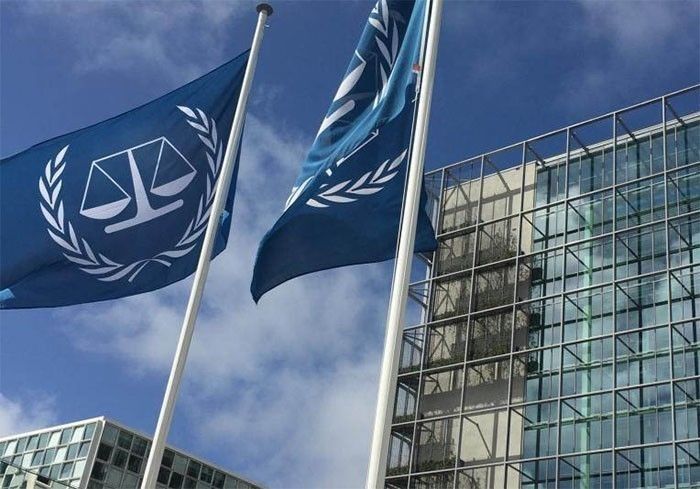
MANILA, Philippines — The United Nations has upheld the role of the International Criminal Court as a “critical cog” for exacting accountability for serious crimes, amid threats from the United States to have the ICC dismantled.
“While the ICC is an organization that is separate from the Secretariat and the UN, it remains for us a critical cog in the international justice system,” said UN spokesman Stéphane Dujarric.
“It is supported by a vast number of member-states, and it helps bring accountability for serious crimes,” he added.
Secretary of State Marco Rubio earlier vowed “a whole-of-government” US response to “systematically disable” the tribunal’s ability to operate. The US accused the tribunal based in The Hague of “waging a war against our country, not with bullets or missiles, but with statutes, compacts and the force of so-called international law.”
The ICC was established under the Rome Statute, a treaty adopted in 1998, which entered into force in 2002.
The Philippines withdrew from the Rome Statute in 2018 during the Duterte administration at the height of its deadly war on drugs.
Palace press officer Claire Castro said the Philippines respects the Trump administration’s decision to launch a government-wide campaign against the ICC, but stressed the Marcos administration is just performing its duty under the law.
She was apparently referring to the case of former president Rodrigo Duterte, who is detained in The Hague while awaiting trial by the ICC for crimes against humanity. He was arrested in March 2025 at the Ninoy Aquino International Airport upon his arrival from Hong Kong.
In May this year, the ICC unsealed an arrest warrant on Sen. Ronald dela Rosa, who has since gone into hiding.
“For now, we can’t say anything as we are merely complying with what is stated in our law,” Castro said.
In its announcement, the US listed several “actions under consideration,” including an appeal to countries that partner with the US military and law enforcement to “reject the ICC’s purported authority to prosecute American officials and servicemen.”
While the Philippines is no longer part of the ICC, government officials have repeatedly cited Republic Act 9851 or the Philippine Act on Crimes Against International Humanitarian Law, Genocide and Other Crimes Against Humanity as the legal basis for enforcing ICC arrest warrants.
Castro earlier said law enforcement authorities would immediately enforce future warrants of arrest against alleged co-perpetrators of Duterte in the killing of thousands of suspected drug users and pushers.
Castro had said under RA 9851 the government can turn over a person wanted by an international court or tribunal through extradition or surrender.
Malacañang, however, has maintained the Philippines still has no plans to rejoin the ICC.





- Latest
- Trending


