


P27 billion needed for Quezon City’s drainage masterplan
Belmonte: Let’s work together to solve flooding
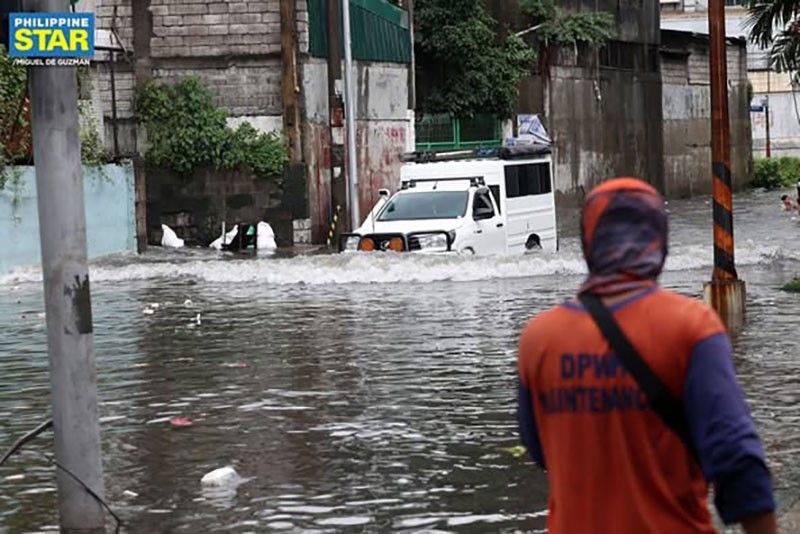
MANILA, Philippines — At least P27 billion is needed to fully implement Quezon City’s drainage masterplan that is seen as a long-term solution to address flooding, especially in the city’s low-lying areas. The amount, Mayor Joy Belmonte said yesterday, is more than half of the city’s annual budget of P40.5 billion.
Belmonte clarified that the city government is not “passing” to the national government the responsibility of addressing the persistent flooding problem.
But she highlighted the importance of working together given the magnitude of the drainage masterplan, which was developed together with the University of the Philippines Resilience Institute during her first term as mayor.
“We have allocated local funds, but to fully implement the entire plan, especially for national roads under the jurisdiction of the national government, we need the help of the Department of Public Works and Highways,” Belmonte said. “That’s why we sought support from our representatives in Congress, to bring the needs of their respective districts to the attention of the DPWH.”
On the local level, Belmonte said the city government has implemented at least 120 projects in flood-prone communities.
“We’re seeing improvements already,” the mayor said in an interview with The STAR, citing the experience of residents in communities where retention ponds and better drainage systems have been constructed.
Still, Belmonte underscored the work that still needs to be done, especially on major roads that are under the national government’s jurisdiction.
In a separate interview with One PH, the mayor said Quezon City’s representatives in Congress have pledged funds to help in the implementation of the project.
“I requested them if they could, during the budget hearing, lobby for the inclusion of their districts in the DPWH’s flood control projects using our existing drainage masterplan,” Belmonte said.
The city government, she said, has initiated flood control projects on local roads.
“Let’s divide the work – some will be handled by the local government, especially the city and secondary roads. But when it comes to national roads, the DPWH really needs to provide the funding for those,” Belmonte said.
She reiterated her commitment to implement programs focused on climate resilience, urban planning and public service.





- Latest
- Trending


