LIST: Provinces, cities, municipalities under state of calamity
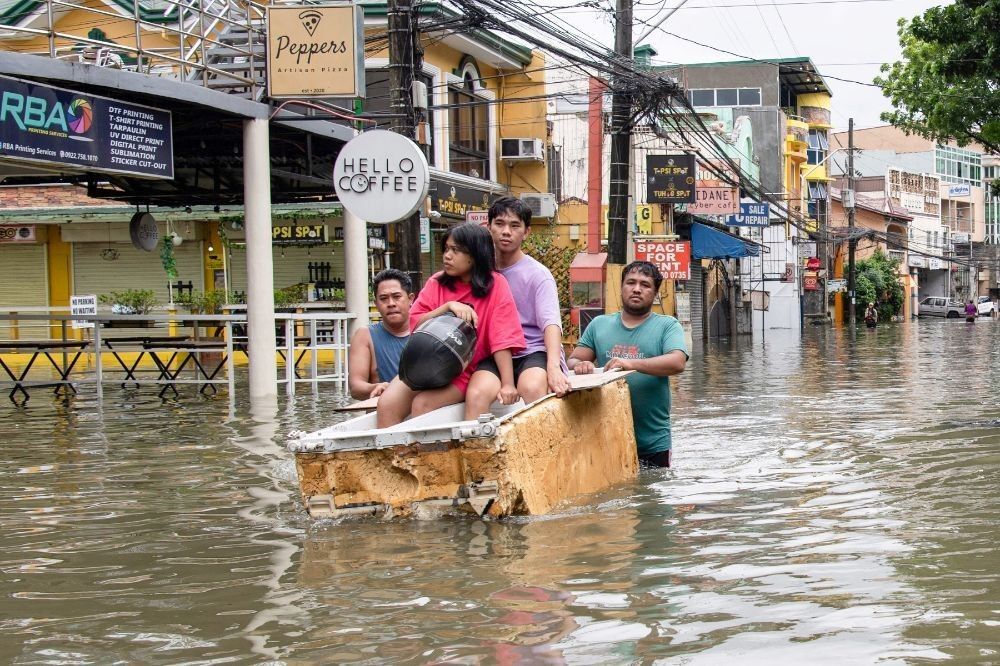
MANILA, Philippines (7th update. First published: July 23, 11:24 a.m.) — Multiple provinces, cities and municipalities have been placed under a state of calamity due to the severe flooding that has displaced thousands of families and damaged local infrastructure.
The relentless rains over Luzon and the Visayas this past week were triggered by the combined effects of Severe Tropical Storm Wipha (formerly Crising), the southwest monsoon, Tropical Storm Co-May (formerly Emong) and Tropical Storm Francisco (formerly Dante).
As of July 24, the National Disaster Risk Reduction and Management Council’s (NDRRMC) report shows 2.7 million people or 765,869 families across 65 provinces impacted by flooding.
While 1,117 evacuation centers shelter 147,521 displaced residents, another 97,958 people have sought refuge elsewhere.
As of 4:56 p.m. on July 29, these are the local governments that have declared a state of calamity, or have the intention of doing so:
National Capital Region
- Quezon City
- Manila
- Malabon City
- Las Piñas City
- Marikina City
- Navotas City
- Valenzuela City
- Caloocan City
- Muntinlupa City
- Parañaque City
Region I (Ilocos Region)
- Pangasinan
- Dagupan City
- Malasiqui
- Calasiao
- Umingan
- Sta. Barbara
- Lingayen
- Mangaldan
- Mangatarem
- San Carlos City
- Binmaley
- Bayambang
- Basista
- Alaminos
- Dasol
- Mabini
- Agno
- Anda (recommended)
- Bani
- Bolinao
- Burgos
- Balon
- La Union (whole province)
Region III (Central Luzon)
Region IV-A (CALABARZON)
Region IV-B MIMAROPA
- Palawan
- Occidental Mindoro (recommended whole province)
- Oriental Mindoro (whole province)
Region VI (Western Visayas)
- Antique
- Sebaste
- Barbaza
- Culasi
- Negros Occidental (whole province)
- Iloilo
- Iloilo City (recommended)
Region VII (Central Visayas)
Cordillera Administrative Region (CAR)
- Benguet
What a state of calamity means
The Philippine Disaster Risk Reduction and Management Act of 2010 defines a state of calamity as conditions where natural or human-caused hazards result in mass casualties, infrastructure damage and severe disruptions to livelihoods, roads and normal life.
States of calamity may be declared by the Philippine president or local city councils — also known as the local sanggunian — upon recommendation from either the NDRRMC or local disaster risk reduction offices.
The main reason behind a declaration, especially during emergencies involving displaced persons, is often to allow local governments to access the quick response fund.
Once a state of calamity is declared, LGUs may utilize 30% of the LDRRM Fund to provide swifter relief, recovery and rehabilitation efforts.
Aside from gaining access to the quick response fund, a locality under a state of calamity may also take measures to monitor, prevent, and control overpricing, profiteering and hoarding of essential goods, medicines and fuel.
It also allows the granting of no-interest loans to severely affected residents through government financing or lending institutions.
Weather update. PAGASA is no longer monitoring a low pressure area or tropical cyclone in the Philippine area of responsibility (PAR). However, the southwest monsoon continues to bring rain across the country.
Emong left on July 26, while Dante exited PAR on Thursday, July 24.
— with reports from Alex Culla





- Latest
- Trending