Blended learning now law in Quezon City for crowded classrooms, unsafe weather
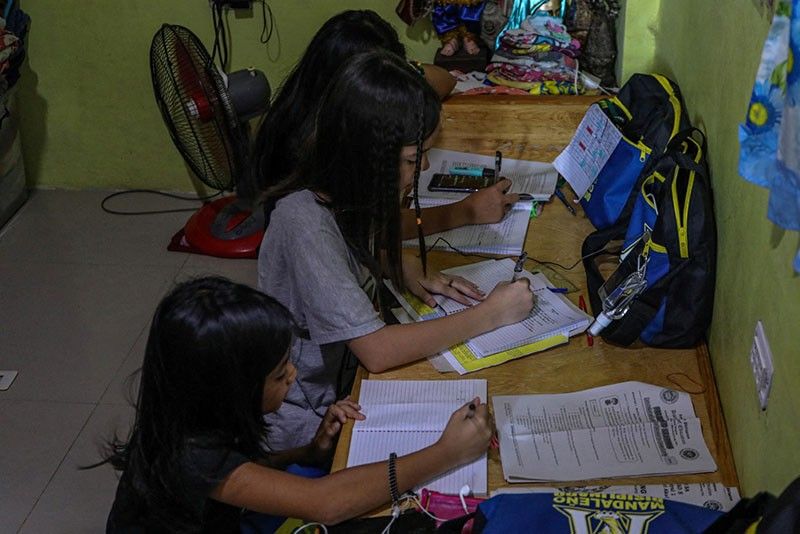
MANILA, Philippines — Quezon City public schools, from elementary to high school, will shift to blended learning in cases of severe classroom congestion or when in-person classes are considered unsafe due to climate- or health-related threats.
Signing Ordinance SP-3405, series of 2025, Mayor Joy Belmonte formally established Quezon City’s Blended Learning Program, announcing it on Thursday, July 10.
The program, which aims to address challenges in the education sector, will take effect when there aren’t enough classrooms, when class sizes grow too large, or when face-to-face learning is disrupted by typhoons and similar emergencies.
“By institutionalizing DepEd’s flexible learning policy through this ordinance, Quezon City is turning national guidance into real action,” Belmonte said in a statement.
“We are investing in our schools so that learning doesn’t stop — whether it’s due to natural disasters, heat waves or simply not having enough classrooms,” she added.
After sweltering through heat waves that pushed Quezon City temperatures to 41°C, forcing schools to cancel classes, the city now braces for the rainy season when typically more suspensions occur.
RELATED: The cost of climate disruptions: Philippines loses 32 teaching days to extreme weather
Like the remote learning setup during the pandemic, the program will include asynchronous options, allowing students to work on assigned tasks without attending online or face-to-face classes.
“We’ve learned from the pandemic and climate-related disruptions that education must be flexible,” said Councilor Aly Medalla, one of the ordinance’s authors.
“This law ensures we have a local system in place to keep learners on track — especially those most at risk of falling behind,” she added.
Aside from providing an alternative to face-to-face learning, the program comes with city-backed investments to make remote education work.
These include better digital infrastructure and connectivity for schools, training for teachers and information campaigns to help the public understand how flexible learning can be done.
The local government plans to build learning hubs with Wi-Fi, desks, and study materials using unused public spaces to give students a more conducive place to study.
The program will be financed through the city’s Special Education Fund (SEF) and general fund, supported by partnerships, grants and donations.
Quezon City’s SDO and Education Affairs Unit will develop protocols for any shifts from face-to-face classes, in coordination with school administrators and families.
While temporary shifts to asynchronous learning will be implemented when necessary, Belmonte said classroom-based education remains the ideal and ultimate goal.
“Face-to-face learning is still the foundation of our public school system. But when students cannot be physically present, we now have a safe, structured alternative,” she said.
The Quezon City government has the authority to suspend classes in public schools within its jurisdiction.
--
Disclosure: Quezon City Mayor Joy Belmonte is a shareholder of Philstar Global Corp., which operates digital news outlet Philstar.com. This article was produced following editorial guidelines







- Latest
- Trending