ASF-affected barangays down, but…

MANILA, Philippines — The number of barangays affected by African swine fever (ASF) has been dropping, but retail prices of pork remain high, according to the Bureau of Animal Industry.
Data from the BAI showed that as of April 25, the number of barangays affected by ASF decreased to 47 from 54 on April 11.
The BAI, an attached agency of the Department of Agriculture (DA), said that outbreaks were reported in only five regions, seven provinces and 23 municipalities.
The virus continues to affect 30 barangays in Bohol including six in Talibon town, four in Buenavista, and three each in Jetafa and Trinidad as well as two each in Baclayon, Bien Bilar, Sagbayan and Unido.
The towns of Balilihan, Catigbian, Inabanga, Panglao, Sikatuna and Ubay have one ASF-affected barangay each.
Northern Samar reported 10 ASF-affected barangays, including six in the towns of Palapag, three in Laoang and one in Gamay.
The BAI said only two barangays in Benguet recorded cases of ASF.
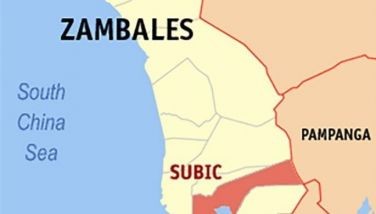
Other outbreaks were reported in Abra with two barangays reporting cases, and Nueva Ecija, Surigao del Sur and Zambales with one barangay each.
The government has implemented a maximum suggested retail price (SRP) for pork, but consumers are complaining that prices remain high.
Based on the monitoring of the DA in Metro Manila markets, the retail price of pork shoulder ranged between P350 and P420 per kilo and pork belly between P370 and P480 per kilo.
Agriculture Secretary Francisco Tiu Laurel Jr. imposed a maximum SRP of P350 per kilo for pork shoulder and P380 per kilo for pork belly effective March 10.
As of May 2, the compliance rate on the maximum SRP had dropped to less than five percent from 30 percent on April 1.


- Latest
- Trending