‘Exceptional’ temperatures to continue until year-end
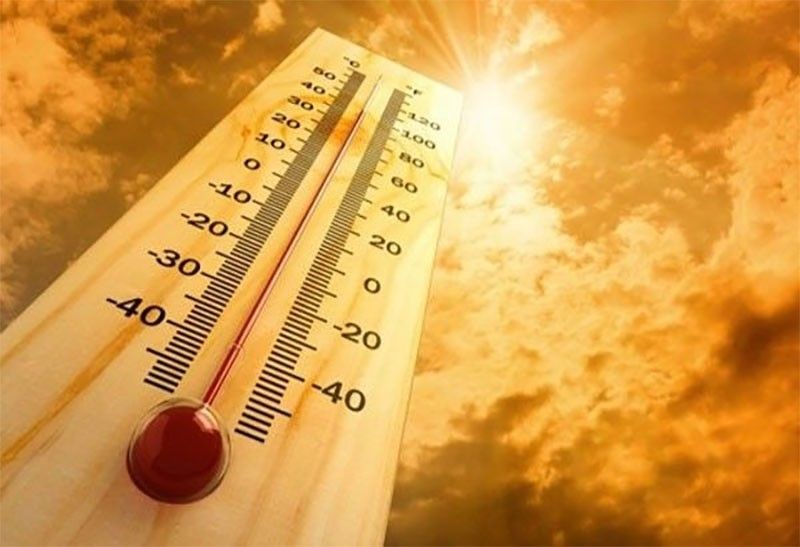
MANILA, Philippines — The streak of “exceptional” global temperatures is expected to continue through the end of the year, a new report from the United Nations weather agency revealed.
Based on the World Meteorological Organization, 2026 is on track to be one of the four warmest years on record, with global average surface temperatures from January to September reaching approximately 1.47 degrees Celsius above pre-industrial levels.
The WMO details that the past 12 years have individually been the warmest on record, with the past four years topping the list.
“El Niño doesn’t add new heat to the planet. It releases heat from the ocean, which is the warmest ever measured. There is simply more heat available to release,” WMO Secretary-General Celeste Saulo said.
The warming effect of El Niño, which has been developing since August, is expected to push temperatures higher through December, with a very strong El Niño set to unleash more extreme weather into 2027.
Around 90 percent of excess heat trapped by greenhouse gases is absorbed by the ocean, while glaciers continue to retreat.
The phenomenon is also raising risks for agriculture, particularly in areas facing food insecurity and where farming depends on rainfall.
The World Health Organization, for its part, has classified the expected health impacts of El Niño as a health emergency.
COP31
As countries confront worsening climate impacts, the Philippines called for stronger implementation of existing commitments, predictable climate finance and greater support for vulnerable nations at COP31, which opened Monday in Türkiye and runs until Nov. 20.
Leading the Philippine delegation, Environment Secretary Juan Miguel Cuna stressed that climate change is already affecting Filipino communities.
“For millions of Filipino families, climate change is not a distant policy debate. It is an everyday reality affecting their livelihoods, homes and safety,” Cuna said.
He said the Philippines was pursuing international partnerships to ensure that climate pledges are backed by accessible financial and technical support.
It is also pushing for more predictable adaptation financing, direct access to loss-and-damage support and stronger implementation of commitments under the Paris Agreement, particularly for developing nations.
“From establishing the National Carbon Registry to advancing local adaptation platforms, the Philippines is showing that we are ready to lead, and we invite the global community to partner with us in securing a resilient future for all,” noted Cuna.








- Latest
- Trending