Building today, securing tomorrow


Marcos admin pushes investments in services and infrastructure
MANILA, Philippines — President Ferdinand R. Marcos Jr. emphasized that his administration is committed to investing across key sectors to build stronger programs and modernize government services during his fourth State of the Nation Address (SONA) on July 28, 2025.
In his speech, the president underscored that his administration’s focus is not only on improving the lives of Filipinos today but also on laying the groundwork for a better tomorrow.
“We are building not only for today; we are building also for tomorrow,” Marcos said.
He mentioned investments in education, manpower development, health, food security, government modernization, infrastructure and energy security as part of his administration’s priorities.
Driving progress in labor, education and health
The Philippines may have seen a decrease of below 4% in terms of unemployment rate, but agencies, such as the Department of Labor and Employment (DOLE), Department of Trade and Industry (DTI), Department of Social Welfare and Development (DSWD) and Department of Tourism (DOT), among others, continue to implement measures to generate jobs and expand livelihood opportunities for Filipinos.

Meanwhile, Marcos stressed that education remains as one of his administration’s top priorities. He said more students have benefited from free education through expanded scholarship programs of state universities and colleges (SUCs) and the Technical Education and Skills Development Authority (TESDA).

Additionally, the Department of Education (DepEd) has opened 16,000 teaching positions and simplified its hiring system. The administration has also funded long-requested overtime and overload pay for teachers.
In the health sector, Filipino patients admitted to Department of Health (DOH)-operated hospitals will no longer pay out-of-pocket under the zero-balance billing policy, which integrates PhilHealth and other medical assistance funds to cover all medical-related expenses.
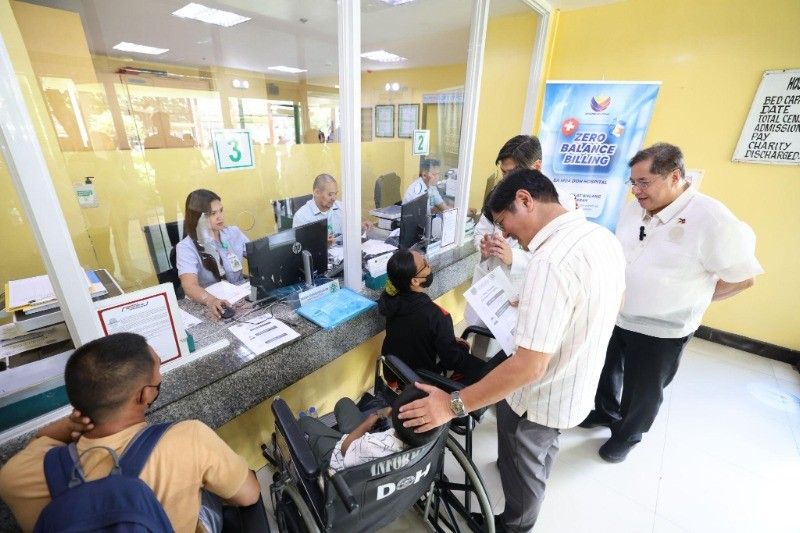
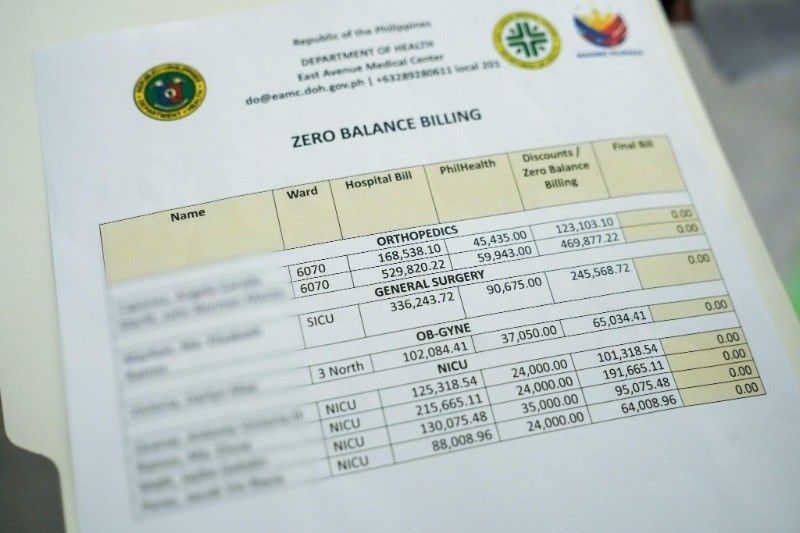
Other government-backed PhilHealth programs include the Yaman ng Kalusugan Program (YAKAP) and the expanded Bagong Urgent Care and Ambulatory Service (BUCAS).
YAKAP provides free outpatient services for PhilHealth members, including follow-up checkups, laboratory tests, and access to essential medicines. BUCAS, on the other hand, deploys mobile clinics and builds specialty clinics across the Philippines.
Moving towards an efficient transportation system
The government’s infrastructure investments aim to strengthen nationwide connectivity, improve commuter services and enhance mobility.
Key projects include the North-South Commuter Railway, the Metro Manila Interlink Bridge, the South Luzon Expressway (SLEX) extension to Tiaong, Quezon, the Philippine National Railways (PNR) rehabilitation and extension to Quezon and the Bicol region, and the Mindanao Transport Connectivity Improvement Project.
The administration is also supporting the return of the “Love Bus” and upgrading student and senior citizen fare discounts to 50% on LRT and MRT lines.

Government services in app
To elevate convenience for citizens, the government has launched the eGov PH Super App, a one-stop digital hub providing access to more than 100 government services, from securing permits and licenses to renewing IDs and registrations.
The eGov PH Super App streamlines government transactions, reduces costs and minimizes opportunities for corruption.
Marcos also shared that the National Broadband Plan Phase 2 has delivered high-speed internet connectivity to public schools and government offices.
Further, the government continues to advance digitalization efforts through the Open Government Partnership and Public Financial Management reforms, ensuring transparency and accountability.

Empowering farmers and ensuring food security
Under the current administration, more than 200,000 agrarian reform beneficiaries have received land titles, and the condonation of P57.56 billion in unpaid amortizations has eased the financial burden of hundreds of thousands of farmers.
To further strengthen the agricultural sector, the government is accelerating mechanization and irrigation projects while reviving key industries such as coconut, salt and sugar.
The launch of the P20-per-kilo rice program highlights the administration’s efforts to keep rice affordable while supporting farmers. The Department of Agriculture is utilizing P113 billion in funding to reinforce its programs, moving the country closer to food security.
Work is not done yet

Marcos acknowledged that while significant accomplishments have been made, more must be done to sustain the progress.
He added that the administration is investing not only for today but also for the future of the Filipino people.
“The work is not yet finished…[and] we need to exert twice the effort to sustain our progress,” the president stressed.
Editor's Note: This press release for the Presidential Communications Office is not covered by Philstar.com's editorial guidelines.







- Latest