Inside Cebu’s hometown lechon traditions
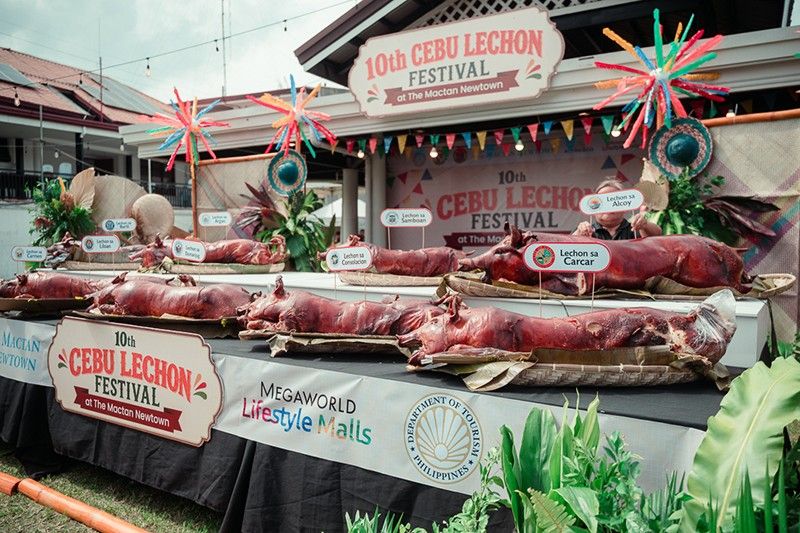
CEBU, Philippines — Cebu lechon may be instantly recognizable on the table, but travel from one hometown to another and the differences begin to show. A little more lemongrass in one recipe, local vinegar in another, bamboo instead of steel over the roasting pit, or even a splash of local rum can give each roast its own identity.
These hometown traditions came together at the 10th Cebu Lechon Festival at The Mactan Newtown, where the Great Cebu Lechon Market featured signature roasts from different cities and municipalities across Cebu.
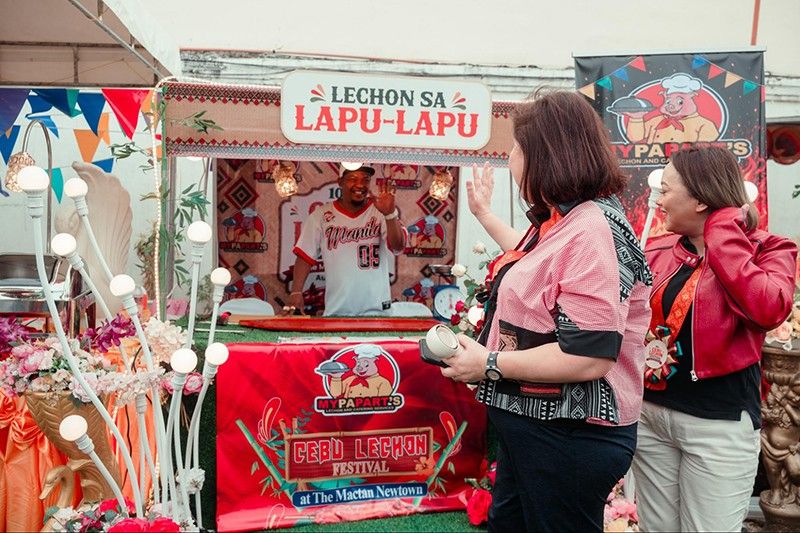
For Lapu-Lapu City’s My Paparts Lechon, the difference begins with an unexpected touch of sweetness. Ronan Murillo, owner of My Paparts Lechon and named 2026 Cebu Lechon Festival Best Lechonero, adds pineapple tidbits to the seasoning and carefully spreads the charcoal to help the lechon roast evenly. The result is juicy meat beneath crisp skin that Murillo says can retain its crunch for more than four hours.
Down south in Alcoy, the fire takes just as much attention as the seasoning. The heat must remain steady so the meat cooks all the way through without burning the skin. Even larger lechons are roasted carefully to achieve crisp, golden-brown skin and well-cooked meat. Alcoy Tourism office staff Michelle Catulpos shared that “Lemongrass, onions, and garlic provide the familiar aroma, with a generous amount of lemongrass giving the roast its distinct fragrance.”
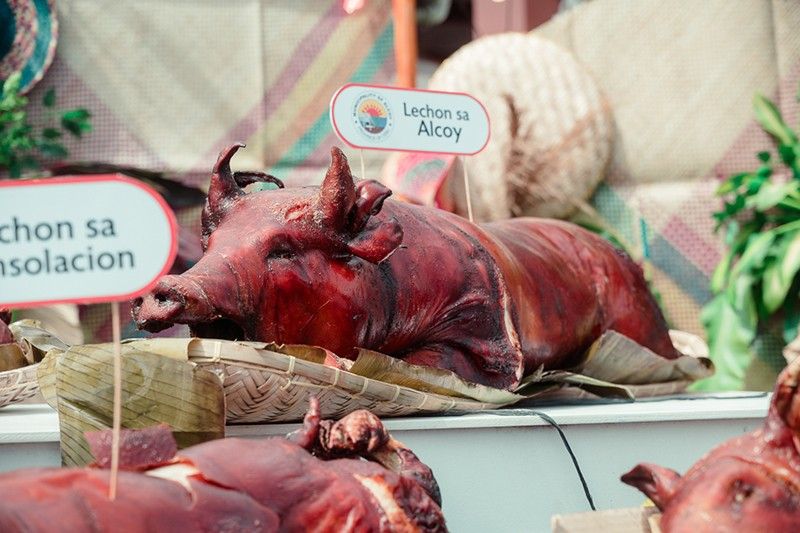
The town’s food story does not end at the roasting pit, either. Alcoy is also known for delicacies such as bibingka, torta, tostado, and budbud domino, offering a taste of the other specialties found in this part of southern Cebu.
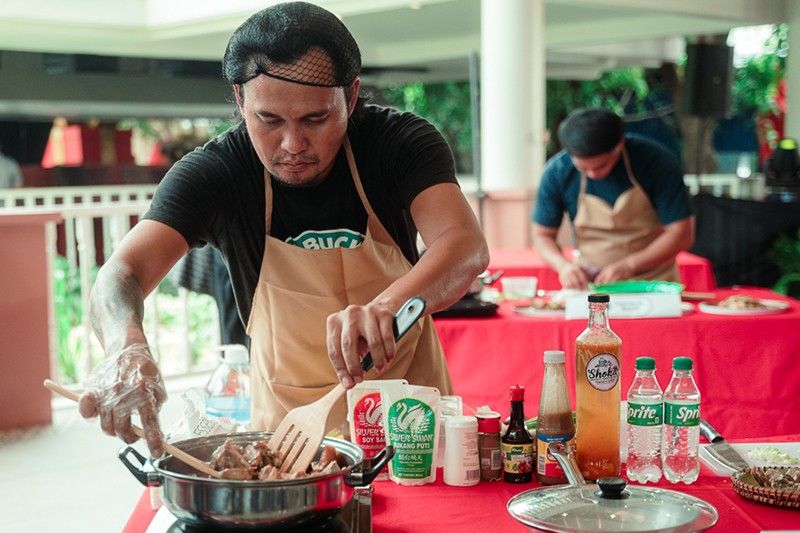
In Argao, another distinctly local ingredient makes its way into the lechon. Argao keeps its preparation closer to a traditional provincial style. Argao Lechonero James Labajo, the Sugbuanon Paksiw Wars 2026 champion, shared that he uses “Shoka,” a vinegar brand from Argao in cooking lechon, giving it a distinct flavor. He adds that seasoning must be tuned to the pig’s age and weight, with cooking lasting anywhere from two to three hours.
Barili, meanwhile, keeps one of the older tools of the trade alive by using bamboo instead of the more common steel roasting rod. As the bamboo heats over the fire, it releases its own aroma, adding another layer of character to the finished lechon. The municipality also took home the Best Booth Award at the Great Cebu Lechon Market.
For Samboan lechonero Michael Rosal, patience is everything. A 30-kilogram pig can take up to three hours over charcoal, with the heat kept at a careful distance throughout the process. Rosal also incorporates Samboan’s local rum into his seasoning to help tenderize the meat and add aroma as it slow-roasts.
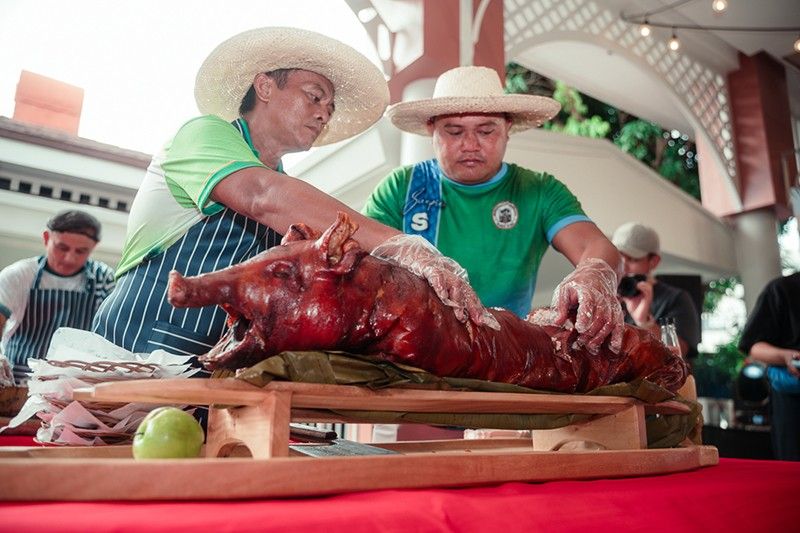
Taken together, these differences reveal a larger story about Cebu lechon. There may be one iconic dish at the center of the table, but there is no single way of making it. Each hometown brings its own ingredients, techniques, and traditions, giving every roast a character the community can proudly call its own.
While the main festival weekend has concluded, the celebration continues through August 31 at Mactan Newtown Road 4, where the Lechon Festival Food Fair features local eats, regional specialties, and other curated finds.
Through the 10th Cebu Lechon Festival, The Mactan Newtown, in collaboration with the Cebu Provincial Tourism Office, continues to celebrate the flavors, traditions, and hometown stories that make Cebu’s culinary culture distinct.
Editor’s Note: This press release for Megaworld is not covered by Philstar.com's editorial guidelines.







- Latest