Gasoline down by P3 per liter, diesel by P2.60
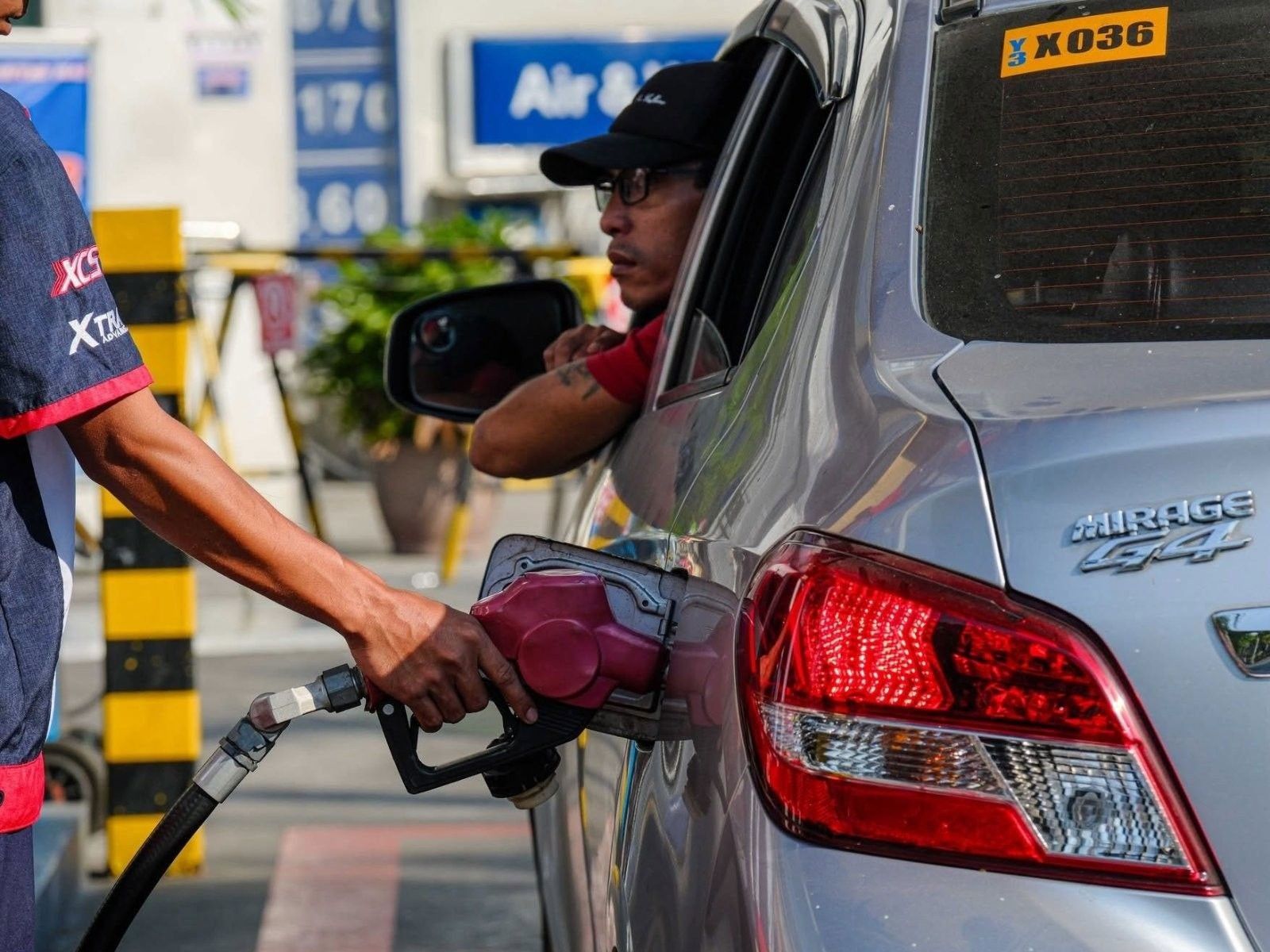
MANILA, Philippines — Pump prices fall for the third consecutive week today, with gasoline down by P3 per liter, diesel by P2.60 per liter and kerosene, P1.60 per liter.
But the Department of Energy (DOE) does not expect the prices to go back to levels before the Middle East war anytime soon.
“I don’t want to be too positive because our readings show that it might not go back to that level,” Energy Secretary Sharon Garin told reporters yesterday when asked if the rollbacks would continue until Christmas.
Before the US-Iran war, gasoline, diesel and kerosene were sold for as low as P49, P48 and P77.40 per liter, respectively.
While international oil prices have eased amid improving supply conditions, Garin said the peso’s depreciation against the dollar continues to exert upward pressure on domestic pump prices.
Movements in foreign exchange rates are factored into the computation of weekly price adjustments.
Garin attributed the rollbacks to the recovery of oil exports from the Middle East, with more supplies from the region reaching global markets.
“Everybody has increased their exports, both OPEC (Organization of the Petroleum Exporting Countries) and non-OPEC producers. This means more supply is now reaching different countries,” she said.
The price cuts also reflect market sentiment following the US midterm elections, in which President Donald Trump’s Republican party suffered a crushing defeat.
The outcome eased fears of a further escalation in the Middle East war, which has been dragging on for nine months.
“The third reason is weak demand. Demand has declined. I think this is also a reaction to the increase in prices. When prices go up, demand goes down,” Garin said.
Gas stations
The number of allegedly erring gas stations that failed to comply with mandated price adjustments has doubled in a week, the DOE said.
Show-cause orders were served to 259 gas stations after field inspections showed they did not follow the exact amount of rollback set by the agency. That figure is up from the initial 114 flagged last week.
US import?
Meanwhile, if it would mean lower prices for Filipinos, the Philippines may “seriously consider” sourcing more of its oil and gas requirements from the United States, Garin noted.
This follows US President Donald Trump’s pronouncement, days after his bilateral meeting with President Marcos, that the Philippines had agreed to purchase all its agricultural and energy needs from the US.
Garin, however, clarified that negotiations between the two countries are still ongoing and that no final agreement has been reached yet.
“If it is cheaper, if the price is favorable and if it will help our fellow Filipinos, their offer is something to seriously consider,” she said at a media briefing.
Experts, meanwhile, cautioned against relying on a single supplier for the country’s fuel needs.
“Diversification of imported sources of oil/energy, agricultural products and other key imports would always be a prudent strategy, instead of concentrating the risks on just one or a few country sources,” Rizal Commercial Banking Corp. chief economist Michael Ricafort told The STAR. — EJ Macababbad




- Latest
- Trending