Supreme Court eases process for recognizing foreign divorces in Philippines
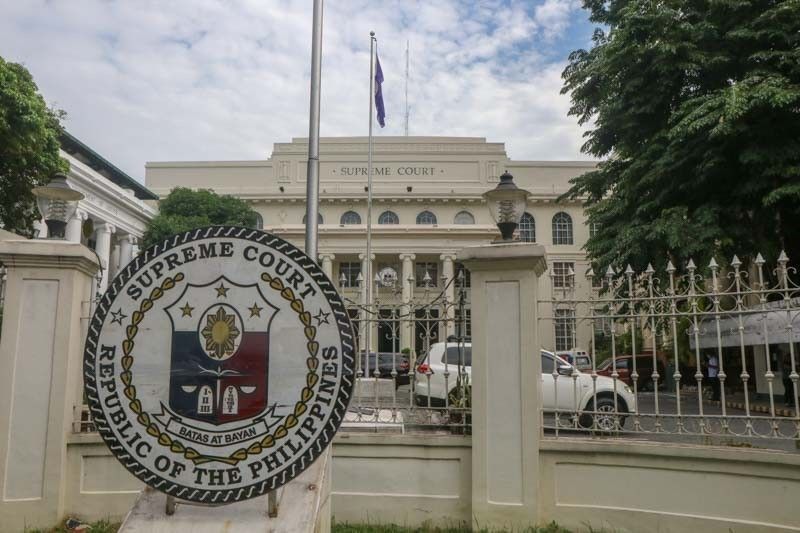
MANILA, Philippines — The Supreme Court has approved amendments to the Rules of Court that streamline the legal process for Filipino spouses seeking Philippine judicial recognition of foreign divorces.
In the high court’s En Banc session on October 7, the Court said the new rules eliminate the requirement that petitioners independently prove the foreign divorce law in court, requiring them only to establish that the divorce decree was issued.
The newly introduced provision under Rule 39 establishes a legal presumption that a foreign divorce obtained between a Filipino and a foreign spouse is absolute and allows the foreign spouse to remarry under foreign law, unless the decree explicitly specifies that it is a limited divorce.
Under the amended rules, the burden of proof shifts to the opposing party to show that a foreign divorce is not absolute.
Furthermore, English translations of divorce documents are presumed accurate if certified under oath by the translator — a presumption that may be contested with contrary evidence, such as certified true copies of foreign divorce laws sourced from the Office of the Court Administrator's central repository.
“These presumptions are disputable, meaning they may be challenged with contrary evidence, under Section 3 of Rule 131,” the Supreme Court’s statement read.
“To challenge these presumptions, Section 24 of Rule 132 allows the submission of a certified true copy of the applicable foreign divorce law, including its English translation, obtained from the Office of the Court Administrator (OCA), which will maintain a repository of foreign laws,” it added.
However, the Supreme Court clarified that the core legal framework under Article 26(2) of the Family Code remains unchanged.
Filipino spouses must still file a formal petition for judicial recognition in Philippine courts.
Furthermore, petitions may still be opposed on established legal grounds, including lack of jurisdiction, lack of notice, fraud, or clear mistakes of law or fact.
Addressing challenges of OFWs
According to the High Court, it introduced these procedural changes after recognizing the significant hurdles Filipino spouses — especially Overseas Filipino Workers (OFWs) — face in proving foreign statutes.
Citing Department of Foreign Affairs findings, the high court noted that obtaining official certifications and English translations across varied international jurisdictions created unnecessary barriers, which these amendments seek to eliminate.





- Latest
- Trending