


PSA: 12.8% of Pinoys felt multiple forms of poverty
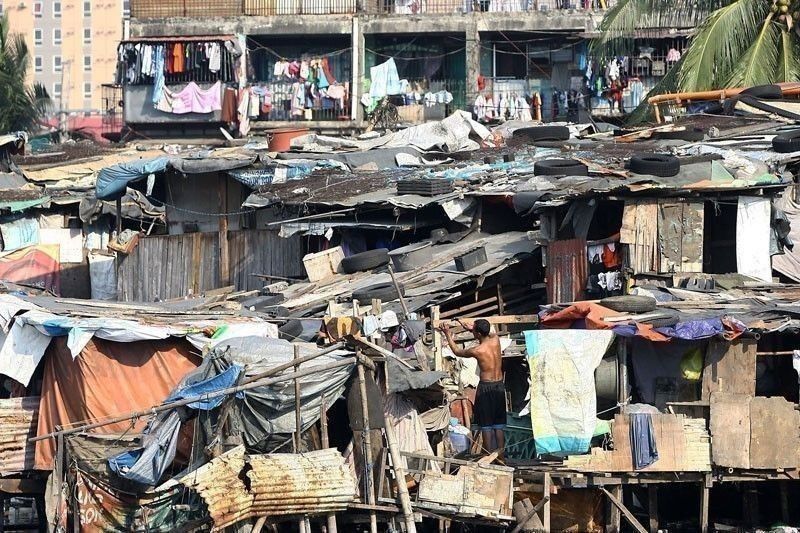
MANILA, Philippines — An estimated 12.8 percent of Filipinos were classified as multidimensionally poor in 2024, according to the Philippine Statistics Authority (PSA).
The first Multidimensional Poverty Index released by the PSA yesterday showed that the national MPI at the individual level was at 0.045 in 2024, based on the results of its Community-Based Monitoring System.
At the household level, the data showed that 12.4 percent were considered multidimensionally poor, with the national MPI score estimated at 0.042.
The MPI was developed to measure poverty beyond income by considering deprivations in other aspects such as education, employment, health and nutrition, housing, water and sanitation.
A household is considered multidimensionally poor, or experiencing many challenges that affect the quality of life of its members apart from income, if the sum of its weighted deprivation scores exceeds the set poverty cutoff of 0.25.
The closer the MPI value is to one, the higher is the level of multidimensional poverty.
“The MPI shows that poverty is not just about what people earn. It is also about whether Filipinos have access to essential services that allow them to live productive and dignified lives,” Department of Economy, Planning and Development Secretary Arsenio Balisacan said.
Data showed that education was the most common challenge, with many adults aged 19 years old and above unable to complete high school. Housing, water and sanitation were also cited as significant challenges.
Balisacan said that the MPI is seen to complement the existing income-based poverty estimates released by the PSA through the Family Income and Expenditure Survey.
Last week, the PSA released data showing that the poverty incidence rate declined to its lowest level ever of 9.7 percent in 2025.
“The value of the MPI is that it helps us see where needs are greatest and where government interventions can make the biggest difference,” Balisacan said.
“By assessing the specific deprivations, we can improve the targeting of programs, strengthen coordination across sectors and make public investments more effective,” he added.
Earlier, some economists raised concern over the outdated standards used in the poverty rate.
Ateneo de Manila University economics professor Leonardo Lanzona Jr. said in an email that the MPI cannot resolve the poverty threshold issue because it answers only the question on observed living conditions, but not resource adequacy.
“So it structurally cannot verify whether a household’s income can buy a basic-needs basket, which is the actual point in dispute,” he said.
He said the right fix on the poverty rate remains revising and rebasing the threshold itself. “The MPI’s proper role is as a complement that shows where income poverty understates hardship — not a replacement for it,” he said.
To address poverty in all its dimensions, Balisacan said the government is implementing interventions including adult literacy programs, affordable public housing initiatives and public-private partnership projects and other measures to strengthen food production and distribution.
“Guided by the Philippine Development Plan 2023-2028 and AmBisyon Natin 2040, we are strengthening investments in human capital, expanding access to affordable housing, advancing universal health care and ensuring food security to uplift the quality of life for all Filipinos,” Balisacan said.


- Latest
- Trending


