SC upholds labor arbiter’s power to enforce worker deals in unfair labor cases
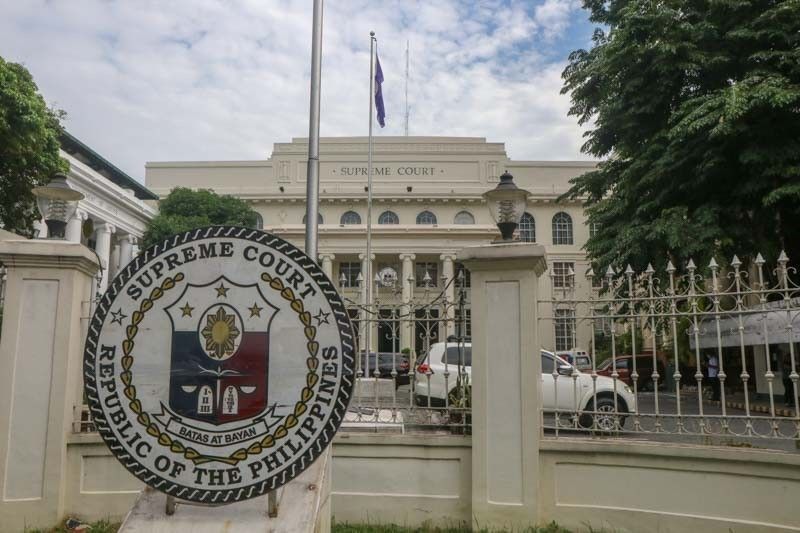
MANILA, Philippines — The Supreme Court has affirmed the authority of the National Labor Relations Commission (NLRC) to enforce the terms of a Collective Bargaining Agreement (CBA) in cases involving unfair labor practices.
In a decision promulgated by the high court’s Third Division on March 5, 2025, the tribunal upheld the NLRC’s order directing Guagua National Colleges (GNC) to pay its employees the agreed-upon economic benefits—although it modified the computation of these benefits.
The case arose from 2009 negotiations to renew the five-year CBA between GNC and its unions.
Although GNC agreed to provide benefits such as a rice subsidy, loyalty pay, and clothing allowance, it repeatedly delayed the signing of the draft CBA.
This led the unions to file a notice of strike, accusing GNC of bargaining in bad faith and committing serious CBA violations.
To prevent the strike, the Secretary of Labor and Employment assumed jurisdiction and referred the case to the NLRC for compulsory arbitration.
The NLRC later ruled that GNC had bargained in bad faith — constituting an unfair labor practice — and declared the final draft of the CBA as the official agreement between the parties.
Once the decision became final, the NLRC ordered GNC to pay the agreed benefits covering the period from 2009 to 2017.
GNC questioned this order, arguing that only voluntary arbitrators — not the NLRC — had the authority to enforce CBA terms. The Court of Appeals upheld the NLRC’s ruling, prompting GNC to elevate the case to the Supreme Court.
Ruling. The high court affirmed the Court of Appeals’ ruling, clarifying that while voluntary arbitrators typically handle the implementation of CBAs, the Labor Code allows the NLRC to enforce CBA provisions when there are gross violations amounting to unfair labor practices.
The high court reasoned that since the NLRC had already found GNC to have bargained in bad faith and had declared the final CBA draft as the official agreement, it was "best positioned" to enforce its terms.
Referring the matter to voluntary arbitration at that stage would only delay the process, increase the risk of multiple lawsuits, and prolong the resolution of the parties’ rights and obligations.
However, the high court held that the computation of benefits was incorrect. It ruled that the computation should exclude the signing bonus and apply only to the five-year CBA period from 2009 to 2014.
“GNC's argument that the unions slept on their rights is equally unavailing. The unions may not be faulted for awaiting the finality of the Court's Decision in G.R. No. 204693 before moving to execute the NLRC's ruling,” the high court said.
“This exercise of caution and respect shown to the Court's processes shall not work to its prejudice,” it added.


- Latest
- Trending