Ahead of 2026 budget talks, Romualdez seeks bicam transparency
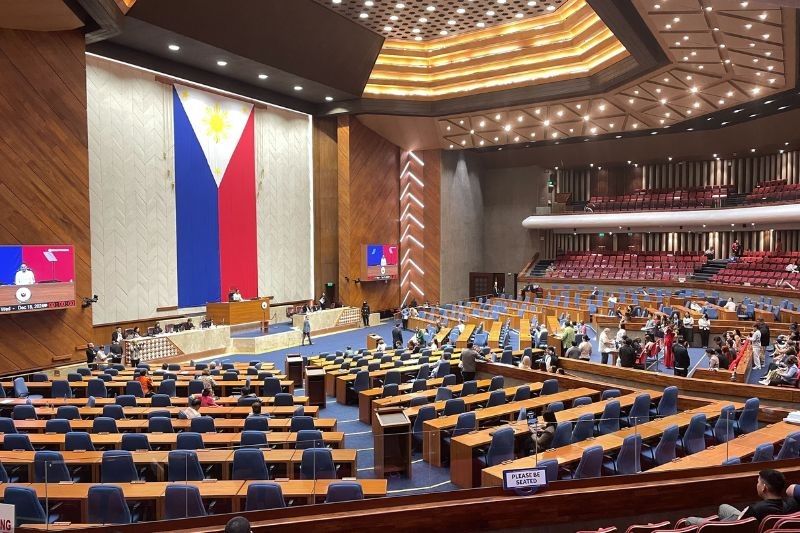
MANILA, Philippines — Transparency remains a concern in Congress’s budget process, particularly in bicameral conference committee hearings where final changes to the national budget are made out of public view.
As the 20th Congress prepares to deliberate on the 2026 national budget, House Speaker Martin Romualdez has now thrown his full support behind long-standing calls to open bicameral budget hearings to the public.
“Transparency and accountability must be the cornerstones of the budget process,” he said in a statement on Friday, June 27.
“I support the move to make bicameral conference committee discussions open to the public. This is a crucial step in restoring public trust and ensuring that the national budget truly reflects the will and welfare of the people,” he added.
To promote accountability, Romualdez said transparency reforms in the budget process must be institutionalized, especially as Congress wields the “power of the purse.”
He acknowledged the growing momentum of the #OpenBicam campaign, which calls not only for public access to the bicameral hearing itself but also a full disclosure, including documents and transcripts.
Romualdez said he would support live-streaming the bicam proceedings, so Filipinos could have real-time access to the budget process and be “more open to public scrutiny.”
“We owe it to every Filipino to ensure that the budget is crafted with integrity, discipline, and full disclosure,” he added.
What happens in bicams?
Bicameral hearings, usually held from November to December, are convened once the House and Senate have passed their respective versions of the General Appropriations Bill (GAB).
This comes after the appropriations committees of both chambers hold a series of hearings with government agencies, scrutinizing how they used their previous budgets and evaluating the funds they are requesting.
Later, during plenary sessions, night-long hearings are held to raise further concerns about specific provisions and programs of each agency.
Designated members from both chambers, particularly of the appropriations committees, then meet to negotiate and reconcile differences, especially on proposed funding for government programs and projects.
After the bicam hearings, a report is prepared with the final budget adjustments. This report and the finalized GAB are sent back to both chambers for approval, with no amendments allowed, and are voted on in plenary.
If approved by a majority in both chambers, the budget is ratified and sent to the president for signature. The president, however, may exercise a line-item veto, which can reduce the total budget from what was originally proposed.
The president cannot realign funds to other budget items; only Congress has that authority when the bills are still being deliberated on.
Why the 2025 budget sparked backlash
This was the case with the controversial 2025 General Appropriations Act, which drew criticism for increasing the infrastructure budget while cutting funds for education. It prompted President Ferdinand “Bongbong” Marcos Jr. to veto some public works line items, leading to a P6.326-trillion budget.
The budget also included a large allocation for unprogrammed appropriations, or standby funds, as well as for the Department of Social Welfare and Development’s cash aid programs like AKAP and AICS — both of which were criticized as potential pork barrel.
Last year’s bicam report for the 2025 budget also drew scrutiny due to conflicting figures released by the House and Senate, as well as blank line items in the document.
Rep. Stella Quimbo (Marikina, 2nd District), chair of the House appropriations committee, clarified that these were typographical errors to be corrected by the technical staff.
She described them as a “calculator activity,” purely ministerial in nature, with no discretion to alter the approved or revised budget line items.
Some lawmakers said the 2025 budget was rushed, as it was ratified just an hour after members received it on the last session day before the December break.
Controversial decisions in the 2025 budget, including the removal of PhilHealth’s subsidy, pork barrel claims and cuts to education, have led to several Supreme Court petitions challenging its constitutionality.
Romualdez, who seeks to retain his speakership in the 20th Congress, vowed to ensure that improvements to budget transparency will be made by passing accountability measures.
“Makialam, makinig, manood. We invite every citizen to witness how their budget is being crafted — live and unfiltered. This is your money. This is your future. And now, this is your Congress,” he added.
The Development Budget Coordination Committee (DBCC) has proposed a P6.793 trillion budget for 2026, about a 7% increase from this year’s budget.





- Latest
- Trending