Supreme Court: COA audit not needed for Ombudsman to probe officials
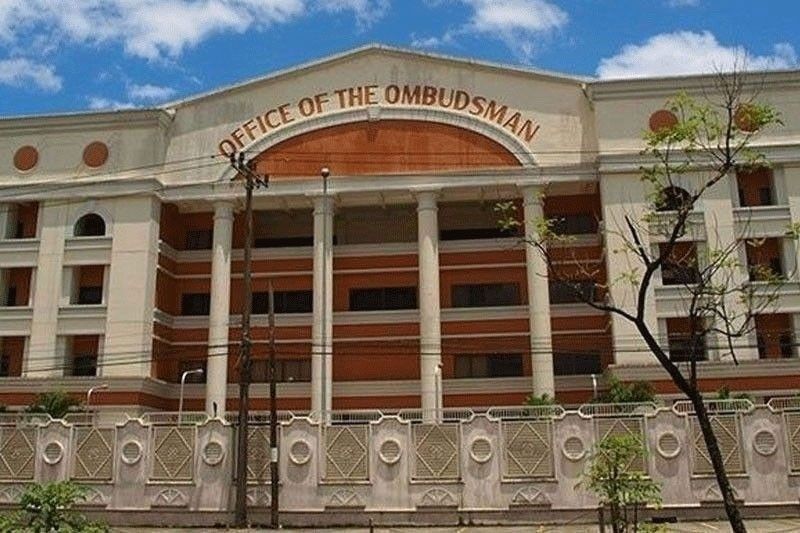
MANILA, Philippines — The Supreme Court has ruled that the Office of the Ombudsman has the authority to investigate public officials independently without waiting for the Commission on Audit (COA) to complete or finalize its audit proceedings involving the same transactions.
In the high court's decision dated April 22, the Supreme Court affirmed the administrative liability of several former Palawan provincial officials over procurement and project implementation irregularities tied to the province’s P2.572-billion share in the Malampaya Fund.
The case originated from four administrative complaints filed before the Ombudsman following a COA special audit into P966 million in allocated development funds intended for electrification, healthcare, education, and infrastructure projects in Palawan.
The Ombudsman found former Palawan provincial official Ronelo Del Socorro and several others administratively liable for grave misconduct, serious dishonesty, and gross neglect of duty.
Investigators uncovered multiple anomalies in the implementation of the provincial projects, including inadequate publication and posting of invitations to bid, improper evaluation of bidder eligibility, and the awarding of contracts despite incomplete documentation.
Additionally, the probe bared that identical personnel were assigned across multiple projects with overlapping execution schedules, while inaccurate accomplishment reports artificially overstated project progress to justify improper disbursements to private contractors.
The Ombudsman ordered the officials dismissed from government service, perpetually disqualified from holding public office, and stripped of their retirement benefits. The Court of Appeals subsequently affirmed the Ombudsman's ruling.
In their petition before the Supreme Court, the former officials argued that the Ombudsman’s investigation was premature because COA’s audit findings were not yet final, citing a subsequent COA decision ordering a review of certain projects to reassess liability.
Ruling
The Supreme Court rejected the argument, emphasizing that the Ombudsman and COA possess distinct and independent constitutional mandates.
Citing Article XI, Section 13(1) of the Constitution and Republic Act No. 6770 or the Ombudsman Act of 1989, the High Court explained that the Ombudsman is empowered to investigate any illegal, improper, or inefficient act of public officers on its own initiative or upon complaint.
“The Office of the Ombudsman is not required to wait for the finality of any audit or investigation by the COA before it can investigate unlawful and improper acts of public officials on its own,” the Supreme Court said.
The high court also warned that the Ombudsman’s investigatory mandate would be "severely diluted if the finality of a COA Audit Report would be considered as a suspensive condition before it could finally conduct an investigation.”
“Parties cannot compel the Office of the Ombudsman to accord weight to particular pieces of evidence of their choosing, nor may they dictate the manner by which an investigation is to be conducted,” the Supreme Court said.







- Latest
- Trending