


Capitol bans entry of hogs
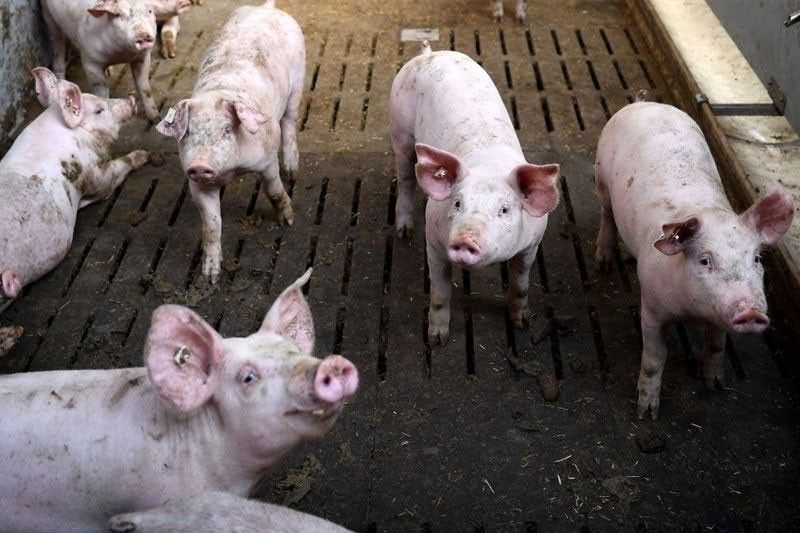
CEBU, Philippines — Cebu Governor Pamela Baricuatro has imposed a 45-day ban on the entry of live hogs and pork products from the Negros Island Region (NIR) and other provinces affected by African Swine Fever (ASF) to protect the province's hog industry from the highly contagious disease.
The directive, contained in Executive Order No. 39, Series of 2026, which Baricuatro signed on Monday, July 7, immediately imposes temporary movement restrictions and stricter biosecurity measures across Cebu Province.
The order will remain in effect for 45 days unless earlier revoked, amended, or extended based on the prevailing ASF situation and advisories from the Department of Agriculture (DA) and the Bureau of Animal Industry (BAI).
Baricuatro said the temporary ban is necessary to safeguard Cebu's hog industry, preserve the province's ASF-free status, and protect the livelihood of thousands of hog raisers.
Provincial Veterinarian Dr. Mary Rose Vincoy said keeping Cebu free from ASF remains the provincial government's top priority.
"Cebu Province remains ASF-free. We need to protect the hog industry in the entire Cebu," Vincoy said.
The executive order noted that ASF outbreaks have already been recorded in Negros Island and several other provinces in the Visayas and across the country, prompting the provincial government to tighten disease prevention measures.
Aside from the temporary import ban, the order requires hog raisers and other stakeholders to strictly observe biosecurity protocols inside farms.
These include limiting farm access to essential personnel, regularly disinfecting vehicles, equipment, and footwear, strictly complying with animal movement regulations, and preventing the unauthorized transport of live hogs and pork products.
To prevent prohibited shipments from entering Cebu, the Cebu Port Authority (CPA), Philippine Coast Guard (PCG), Philippine National Police (PNP), and concerned local government units have been directed to strictly enforce the ban at seaports, airports, and other entry points.
Authorities were also instructed to confiscate prohibited shipments and impose penalties in accordance with existing laws.
The Provincial Veterinary Office (PVO), in coordination with city and municipal veterinarians, was likewise ordered to continue routine surveillance, laboratory testing, and monitoring activities for the early detection of possible ASF cases.
Meanwhile, the Provincial Information Office (PIO) was tasked to intensify information campaign reminding the public not to transport or purchase pork products from ASF-affected provinces and to immediately report suspected cases.
Vincoy said local government units across Cebu have begun activating their respective ASF task forces to strengthen disease monitoring and border control.
"All our LGUs are activating their ASF Task Force and we have a strong coordination with the Bureau of Animal Industry for the strict implementation of border control among our seaports," she said.
She added that the governor approved the temporary restriction covering live hogs and pork products originating from Negros Occidental and Negros Oriental as part of the province's preventive measures.
The latest action comes as ASF continues to spread in the Negros Island Region, prompting authorities there to tighten quarantine measures.
In Negros Oriental, Governor Manuel Sagarbarria earlier confirmed that blood samples collected from hogs in the municipality of La Libertad tested positive for ASF.
A report published by the Philippine Star said records from Negros Occidental showed that, as of June 30, at least 2,130 hog deaths had been recorded across 13 local government units affected by the disease.
Government data also showed that the affected local government units in Negros Occidental have a combined hog population of 55,961. — (FREEMAN)


- Latest


