


Subic recyclers urge status quo on e-waste entry
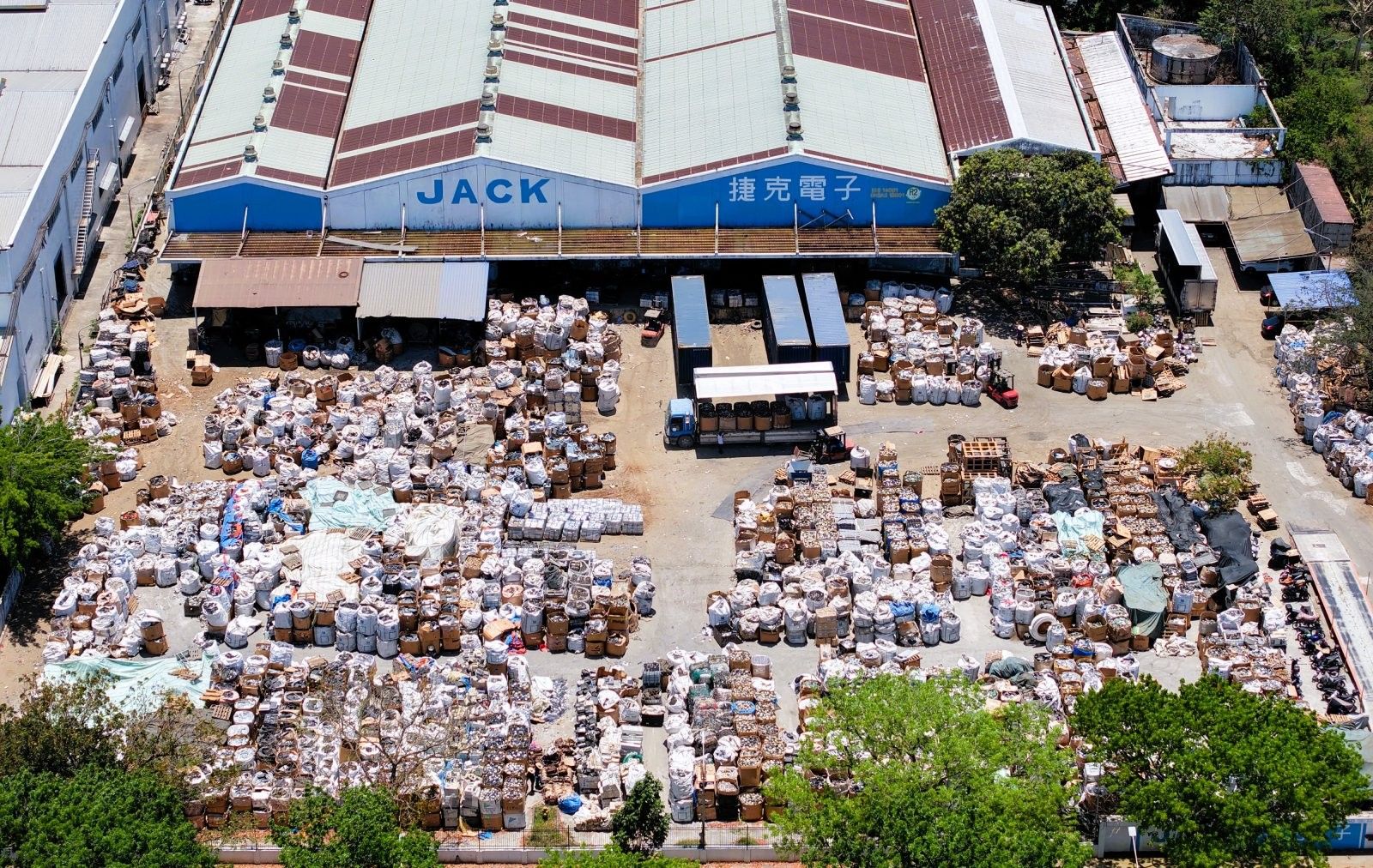
SUBIC BAY FREEPORT, Philippines — Electronic waste recyclers in the Subic Bay Freeport have asked authorities to maintain the status quo and allow the admission of imported recyclable items here, a day after the Bureau of Customs (BOC) blocked a shipment of suspected electronic waste from entering the Port of Subic.
In a position paper dated Thursday, July 23, members of the Subic Bay Freeport Electronics Recyclers Association (SBF-ERA) argued that the Philippines has no local legal framework to implement the Basel Convention, which regulates the movement of hazardous wastes between countries.
“Under Philippine law, international treaties like the Basel Convention cannot ban or restrict corporate entities on their own. For a treaty provision to legally apply to local businesses, the Philippine Congress must first pass a national law adopting it,” the recyclers said.
Three containers of suspected e-waste declared as scrap copper from the United States were placed by the BOC under “Retain on Board” status before they can be unloaded in Subic from MV Tokyo Express on July 22.
BOC-Subic District Collector Geniefelle Lagmay reportedly placed the shipment on hold as a “precautionary approach” consistent with Philippine obligations under the Basel Convention, as well as local environment and customs requirements.
The Task Force Against Illegal E-Waste Imports to the Philippines flagged last June at least 234 container vans of e-waste imported into Subic from the United States, saying the shipments may have violated the Basel Convention because the US is not a party to the Basel treaty.
The group claimed that the imports lacked the Prior Informed Consent proviso of the treaty, which required exporters to send a formal written description of the waste shipment to authorities of the importing country.
The SBF-ERA, however, maintained that the Basel Convention explicitly provides that parties to the treaty must take legal measures and formulate national legislations regulating transboundary movements of waste in order to enforce treaty provisions.
In the case of the Philippines, the recyclers pointed out that Congress has not enacted any national legislation adopting or enforcing trade restrictions against non-party jurisdiction for waste electrical and electronic equipment (WEEE) that they are processing.
The Philippines signed the Basel Convention when it was adopted in March 1989, Congress ratified it in October 1993 and enforced the same in January 1994. However, Republic Act No. 6969, or the Toxic Substances and Hazardous and Nuclear Wastes Control Act, which was enacted in October 1990, did not cover e-waste, the SBF-ERA contended.
“R.A. 6969 explicitly targets the regulation of toxic chemical substances and prohibits illegal entry and dumping of hazardous and nuclear wastes, but its statutory text does not mention WEEE or electronic assemblies, nor does it establish a statutory ban on importing recyclable electronic scrap intended for legitimate secondary material processing and industrial recovery,” the recycling group stressed.
“In the absence of an explicit law passed by the Congress banning trade in recyclable materials with non-Basel parties, no administrative ban can be legally enforced against SBFZ recycling operations,” it added.
With these, the Subic recyclers urged authorities to allow admission of recyclables, including those from non-Basel Convention countries, for processing and re-exportation; maintain a clear legal distinction between illegal, unprocessed waste dumping and legitimate industrial e-waste recycling; maintain status quo and protection against arbitrary hold of shipments; come up with harmonized guidelines regarding e-waste recycling; and include Subic recycling enterprises in drafting rules on WEEE management.
Thirteen members of the SBF-ERA signed the position paper, copies of which were sent to the BOC, the Department of Environment and Natural Resources, and the Subic Bay Metropolitan Authority (SBMA).
At the height of the issue last June, the head of the SBMA Regulatory Group told Philstar.com that the recycling industry in Subic was “highly regulated” and that finished products from e-waste were all re-exported.




- Latest
